Join me, Mei Wong, on a flavorful journey through the heart of Cantonese cuisine. From my childhood in Sai Kung, Hong Kong, to sharing these dishes with friends and family in Canada, food has always been a central part of my life. Let's explore the traditions, ingredients, and experiences that make Cantonese cuisine so special.
A Taste of Home: My Cantonese Roots
Growing up in Sai Kung, a vibrant corner of Hong Kong, my life was steeped in the rich traditions of Cantonese cuisine. Food wasn't just sustenance; it was the language of love, family, and community. Our dining table was the epicenter of daily life, where stories were shared, laughter echoed, and bonds were strengthened over steaming dishes.
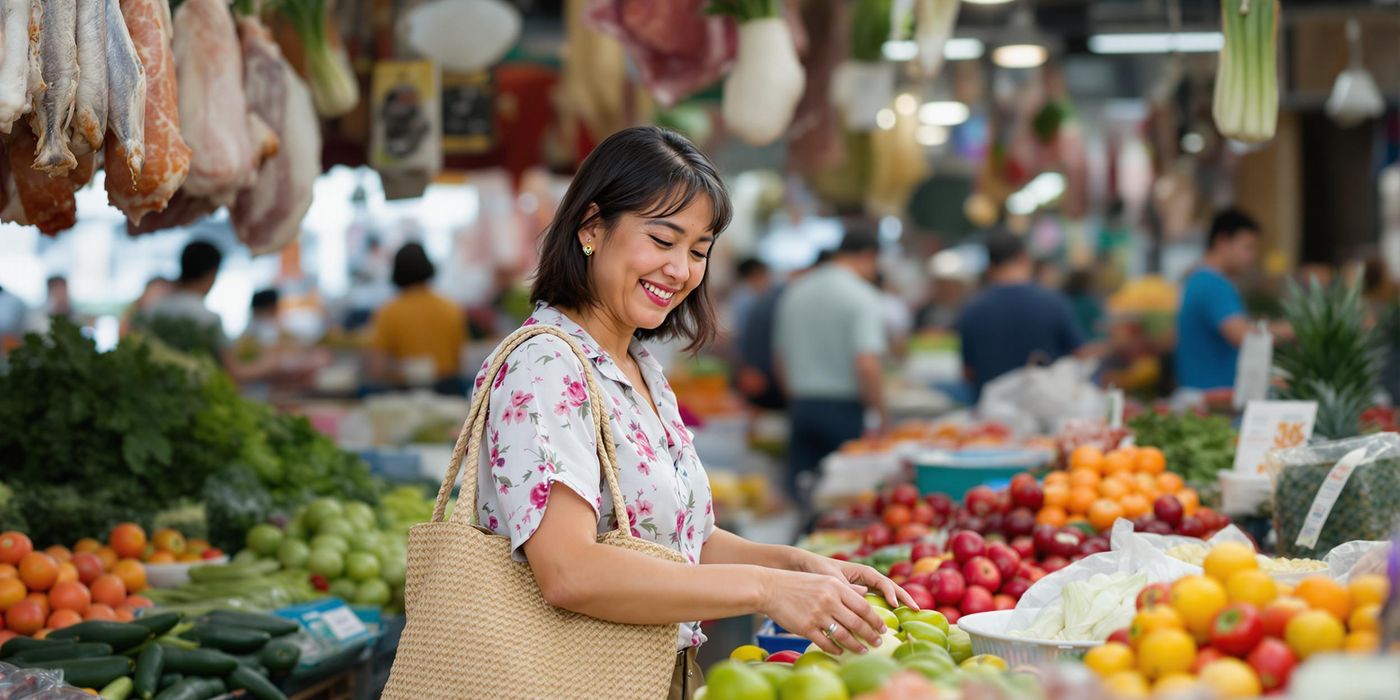
I remember the bustling wet markets, a sensory explosion of colors, sounds, and aromas. My grandmother, a culinary wizard, would navigate the stalls with practiced ease, selecting the freshest ingredients for our meals. These early experiences instilled in me a deep appreciation for the quality and seasonality of produce, a cornerstone of Cantonese cooking.
Specific dishes evoke powerful memories of my childhood. The comforting warmth of congee on a chilly morning, the savory delight of char siu bao during dim sum gatherings, and the celebratory feast of a whole steamed fish during Chinese New Year – each bite was a taste of home, a connection to my heritage.
The Essence of Cantonese Flavors: Freshness and Balance
Cantonese cuisine is celebrated for its commitment to freshness and balance. Unlike some regional Chinese cuisines that rely heavily on spices, Cantonese cooking emphasizes the natural flavors of the ingredients. The goal is to enhance, not mask, the inherent taste of each component.
Balance is key – not just in taste, but also in texture and presentation. A well-executed Cantonese dish harmonizes sweet, sour, salty, bitter, and umami elements. Textures range from crisp to tender, smooth to crunchy, creating a symphony of sensations on the palate. And visually, the arrangement of ingredients is carefully considered to create an appealing and harmonious composition.
Minimal spices are used, allowing the freshness of the ingredients to shine through. A touch of ginger, garlic, or scallions might be added to complement the main flavors, but the focus remains on showcasing the natural essence of the dish.
Key Ingredients: The Building Blocks of Cantonese Cooking
Several key ingredients form the foundation of Cantonese cuisine. Soy sauce, in its various forms, is a staple. Light soy sauce adds a delicate saltiness, while dark soy sauce lends a richer color and slightly sweeter flavor. Oyster sauce, made from oyster extracts, provides a savory umami depth.
Rice wine, ginger, garlic, and scallions are also essential. Rice wine marinates meats and adds complexity to sauces. Ginger and garlic infuse dishes with warmth and aroma, while scallions provide a fresh, vibrant garnish.
Dried and preserved ingredients play a crucial role in adding depth and complexity. Dried scallops, mushrooms, and shrimp are often used to enhance the flavor of soups and braised dishes. Preserved meats, such as Chinese sausage and salted fish, add a distinctive savory note.
Cantonese Cooking Techniques: From Steaming to Stir-Frying
Cantonese cuisine employs a variety of cooking methods, each designed to maximize the flavor and texture of the ingredients. Steaming is a popular technique, particularly for fish and vegetables, as it preserves their natural flavors and delicate textures.
Stir-frying, done in a wok over high heat, is another hallmark of Cantonese cooking. The art of 'wok hei,' or 'wok breath,' is crucial. It refers to the slightly charred, smoky flavor imparted by the wok, adding a unique dimension to stir-fried dishes.
Braising, a slow cooking method, is used to tenderize tougher cuts of meat and infuse them with rich flavors. Deep-frying, while less common than other techniques, is used to create crispy, golden-brown textures, often followed by a flavorful sauce.
My Favorite Cantonese Dishes: A Personal Selection
Among my personal favorites is Char Siu, or barbecued pork. The sweet, savory, and slightly smoky flavor is simply irresistible. The pork is marinated in a mixture of honey, soy sauce, and spices, then roasted to perfection, resulting in a glistening, caramelized exterior and a tender, juicy interior. It is a staple at family gatherings and a dish I always crave.
Another dish close to my heart is steamed fish with ginger and scallions. The simplicity of the dish allows the freshness of the fish to shine through. The ginger and scallions add a subtle warmth and aroma, while the light soy sauce enhances the natural sweetness of the fish. It is a dish that reminds me of my grandmother's cooking and the importance of using the freshest ingredients.
Finally, I must mention dim sum, a Cantonese brunch tradition involving a variety of bite-sized dishes served with tea. From steamed dumplings to fried spring rolls, dim sum offers a delightful array of flavors and textures. Sharing dim sum with friends and family is a cherished ritual, a time for conversation, laughter, and culinary exploration.
Dining Like a Local: Tips for an Authentic Experience
To truly experience Cantonese cuisine, venture beyond the tourist traps and seek out local eateries. Look for restaurants that are bustling with Cantonese speakers, a sign that the food is authentic and well-regarded.
Ordering and sharing dishes is an integral part of the Cantonese dining experience. Don't be afraid to order a variety of dishes and share them with your companions. This allows you to sample a wider range of flavors and textures.
Tea plays a crucial role in Cantonese dining. It is customary to drink tea throughout the meal, not just at the beginning or end. Choose a tea that complements your meal. For example, a light green tea pairs well with delicate seafood dishes, while a bolder black tea complements richer, meatier dishes.
Cantonese Cuisine Beyond Hong Kong: Global Variations
Cantonese cuisine has traveled far beyond the borders of Hong Kong, evolving and adapting to different palates and ingredients along the way. In Chinatowns around the world, you'll find Cantonese restaurants that have incorporated local ingredients and culinary traditions, resulting in unique and fascinating variations.
In North America, for example, you might find Cantonese dishes with a sweeter flavor profile, catering to local tastes. In Southeast Asia, you might encounter Cantonese dishes that incorporate local spices and herbs. While these variations may not be strictly authentic, they offer a glimpse into the adaptability and resilience of Cantonese cuisine.
I've had the pleasure of trying Cantonese cuisine in various countries, from the bustling streets of Bangkok to the vibrant neighborhoods of San Francisco. Each experience has been unique, offering a new perspective on the flavors and traditions of Cantonese cooking.
Restaurant Recommendations: My Go-To Spots
In Hong Kong, I highly recommend visiting Lung King Hee Dim Sum. It is an authentic restaurant known for its traditional Cantonese dim sum. The ambiance is bustling, and the food is consistently excellent. Reservations are highly recommended.
For a taste of authentic Cantonese cuisine in Canada, I recommend visiting Asian Legend. This restaurant offers a wide range of Cantonese dishes, from classic stir-fries to flavorful soups. The portions are generous, and the prices are reasonable.
Whether you're a seasoned foodie or a curious traveler, I encourage you to embark on your own culinary journey through the world of Cantonese cuisine. It's a journey that will tantalize your taste buds, enrich your understanding of culture, and leave you with memories to savor for years to come.
Explore Cantonese cuisine with Mei Wong. Discover its cultural significance, essential ingredients, and cooking techniques. Get tips for an authentic dining experience.