Family travel isn't just about ticking off destinations; it's about weaving shared experiences into the fabric of your family's story. As a Cantonese translator and avid travel blogger, I've learned that the most enriching trips are those that immerse us in different cultures, creating memories that will last a lifetime. Join me as I share some insights on how to plan family adventures that are both enjoyable and educational for everyone involved.
Planning a Culturally Enriching Family Trip
The key to a successful family trip lies in collaborative planning. Before you even start browsing destinations, sit down with your family and brainstorm. What are everyone's interests? Are there specific historical periods, art forms, or cuisines that pique their curiosity? Involving everyone in the decision-making process ensures that everyone feels invested in the adventure ahead.
Once you have a general idea of your family's interests, it's time to research destinations. Look for places with rich cultural experiences suitable for all ages. Consider destinations known for their history, arts, and community events. Places offering kid-friendly excursions and cultural programs are always a plus. Remember to discuss the importance of respecting local customs and traditions before the trip. This sets the stage for a more meaningful and respectful experience.
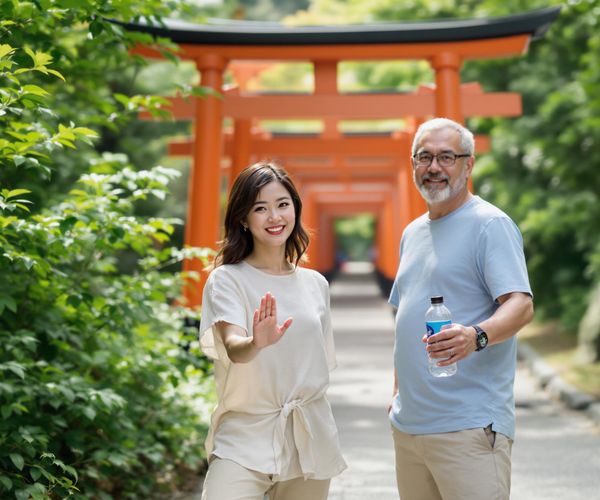
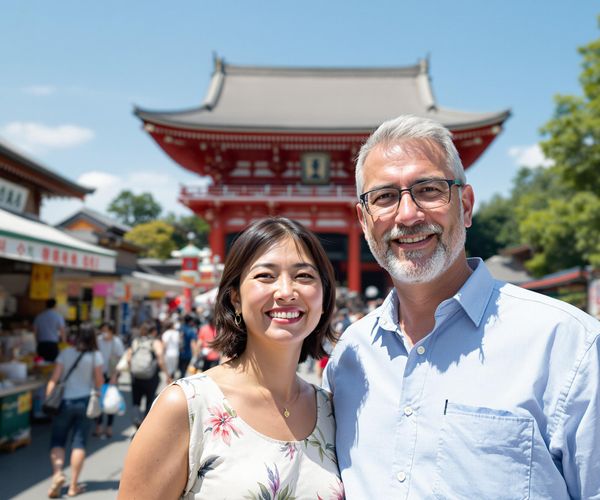
For instance, when planning our trip to Japan, David was keen on visiting historical sites, while Emily was fascinated by modern Japanese pop culture. We found a way to incorporate both, spending time in ancient temples and exploring vibrant anime districts. It was a perfect balance that kept everyone engaged.
Engaging Children in Cultural Activities
Making cultural activities fun and educational for children requires a bit of creativity. Interactive museum visits are a great way to spark their interest. Look for museums that offer hands-on exhibits, guided tours designed for children, or scavenger hunts. Cooking classes focused on local cuisine can also be a fantastic way to engage their senses and teach them about different cultures.
Attending local festivals is another excellent way to immerse children in a new culture. These events often feature music, dance, food, and crafts that provide a window into the local way of life. Encourage children to learn basic phrases in the local language. Even a few simple words like hello, thank you, and please can go a long way in building connections and showing respect.
During our trip to Italy, Emily was particularly fascinated by the Colosseum. To make the experience more engaging, David shared stories and historical anecdotes about the gladiators and the Roman Empire. It brought the past to life for her and made the visit much more memorable. We also made sure to discuss respectful photography practices and the importance of asking for permission before taking photos of people. It's a small gesture that shows consideration for their culture and privacy.
Balancing Cultural Immersion with Downtime
While it's tempting to pack your itinerary with as many cultural activities as possible, it's important to balance structured experiences with free time for relaxation. Overloading your schedule can lead to burnout, especially for younger children. Incorporate downtime by visiting local parks, enjoying leisurely walks, or simply relaxing at your accommodation.
Mix structured and unstructured experiences. Pair guided tours with a visit to a local park or a leisurely walk through local neighborhoods. This allows everyone to recharge and process what they've learned. When traveling with David, I've learned the importance of pacing activities. He enjoys a more relaxed approach, while I tend to be more driven. Finding a middle ground ensures that we both enjoy the trip without feeling overwhelmed.
When Emily was younger, we made sure to schedule plenty of breaks during our travels. We would often find a local playground or park where she could run around and burn off some energy. This helped her stay engaged and enthusiastic about the cultural activities we had planned.
Creating Meaningful Travel Experiences
To create truly meaningful travel experiences, encourage your family to connect with locals and learn about their daily lives. This can be as simple as striking up a conversation with a shopkeeper, asking for recommendations from a local, or attending a community event. Consider volunteering opportunities or participating in community events. This allows you to give back to the community and gain a deeper understanding of their culture.
Keeping a travel journal is a great way to document your experiences and reflections. Encourage each family member to write down their thoughts, feelings, and observations about the places you visit. This not only helps them remember the trip but also encourages them to reflect on their experiences and learn from them. Explore a new culture before you even leave for the airport through movies, books, music, and food. This can help you prepare for your trip and spark your family's curiosity.
One of my best methods for creating meaningful experiences is to try to learn a few basic phrases in the local language before we go. It shows respect and willingness to engage with the local culture. We also try to eat at local restaurants and try new foods. It's a delicious way to learn about a culture!
Practical Tips for Family Travel
Packing light is essential when traveling with family. Create a packing list for each family member and encourage them to only bring what they need. Booking family-friendly accommodations can also make a big difference. Look for hotels or apartments with amenities like a kitchenette, a pool, or a kids' club. Managing travel logistics can be challenging, but with a little planning, it can be manageable.
When it comes to dealing with jet lag, try to adjust your sleep schedule a few days before your trip. Encourage everyone to stay hydrated and avoid caffeine and alcohol. Bring snacks, reusable water bottles, and a basic first-aid kit. This will help you stay prepared for any unexpected situations. For long flights or car rides with children, bring along books, games, and movies to keep them entertained.
Over the years, David and I have learned that flexibility is key. Things don't always go according to plan, and that's okay. Embrace the unexpected and be willing to adjust your itinerary as needed. We've also learned the importance of taking breaks and not trying to do too much in one day. Remember, the goal is to create lasting memories, not to check off a list of tourist attractions.
Learn how to plan family trips that are enjoyable and enriching for all ages. Discover tips for engaging children in cultural activities and balancing downtime.