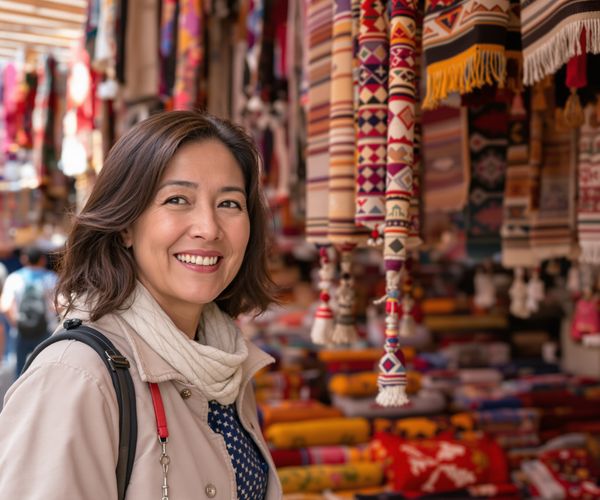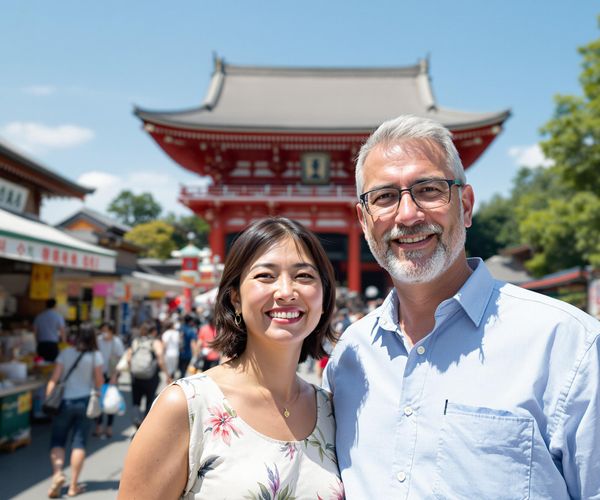
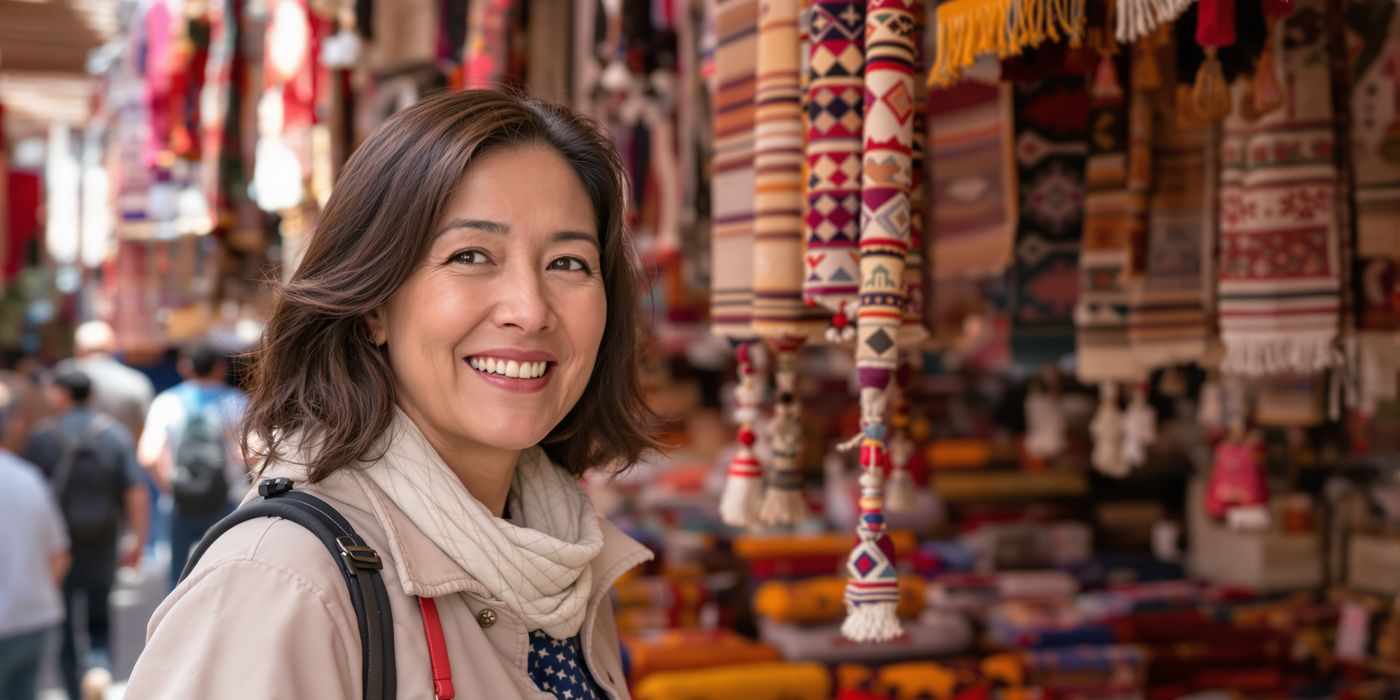
There's something truly special about wandering through a local market when you travel. It's more than just shopping; it's a vibrant immersion into the heart of a culture. The sights, the sounds, the smells – they all tell a story. David and I have always found that the most authentic travel experiences come from stepping away from the tourist traps and diving into the everyday life of a place, and local markets are perfect for that.
The Allure of Local Markets
Local markets aren't just places to buy things; they are living, breathing snapshots of a community's soul. They offer a genuine glimpse into the daily life of a destination that you simply can't get from a guidebook or a guided tour. Think about it: where else can you witness locals haggling over the price of fresh produce, sample traditional snacks made with time-honored recipes, and discover handcrafted goods made with skills passed down through generations?
The sensory experience alone is worth the visit. Imagine the vibrant colors of exotic fruits and vegetables piled high, the lively chatter of vendors and shoppers, the tantalizing aromas of spices and street food wafting through the air. These are the moments that stay with you long after you've returned home, etching themselves into your memory and enriching your understanding of the world.
Beyond the commerce, markets serve as vital social and cultural hubs. They are places where people connect, share stories, and preserve traditions. In many cultures, markets have been the center of community life for centuries, acting as meeting points, news exchanges, and venues for celebrations. They are where friendships are forged, family bonds are strengthened, and cultural identity is maintained.
Cultural Significance Across Regions
The cultural significance of local markets varies greatly from region to region, reflecting the unique history, traditions, and resources of each place. In Southeast Asia, for example, floating markets are a common sight, with vendors selling their wares from boats along rivers and canals. These markets are not only a practical way to trade goods but also a fascinating cultural spectacle.
In Morocco, the souks of Marrakech are legendary for their labyrinthine alleyways filled with everything from spices and carpets to leather goods and metalwork. These markets are a sensory overload, a vibrant tapestry of sights, sounds, and smells that transport you to another world. The products sold in these markets often reflect the local culture and traditions, from handwoven textiles to intricately carved wooden artifacts.
Markets also play a crucial role in preserving traditional crafts and culinary practices. They provide a platform for artisans and food producers to showcase their skills and products, ensuring that these traditions are passed on to future generations. By supporting local markets, we can help to keep these cultural heritage alive and thriving.
Tips for Navigating Local Markets
Before you head out to explore a local market, a little bit of planning can go a long way. Start by doing some research online or in travel guides to find out about the market's location, opening hours, and special features. Some markets are only open on certain days of the week, while others are known for specific products or events.
The best time to visit a market is usually early in the morning when the vendors are setting up and the produce is at its freshest. This is also a good time to avoid the crowds, which can be overwhelming later in the day. However, some markets have a different atmosphere in the evening, with street food stalls and live music adding to the festive ambiance.
When you're ready to go, be sure to bring cash, as many vendors don't accept credit cards. It's also a good idea to bring reusable bags to carry your purchases, as plastic bags are often discouraged. And most importantly, bring a sense of adventure and a willingness to explore!
Interacting with Vendors and Locals
One of the best parts of visiting local markets is the opportunity to interact with vendors and locals. Don't be afraid to strike up a conversation, ask questions about their products, and learn about their stories. Engaging with the people behind the goods can add a whole new dimension to your market experience.
When sampling goods, be sure to ask for permission first. Most vendors are happy to let you try their products, but it's always polite to ask. And when asking questions, be respectful and patient, especially if there is a language barrier. A smile and a friendly attitude can go a long way.
Bargaining is a common practice in many markets, but it's important to do it respectfully. Start by offering a fair price, and be willing to negotiate. Remember that the vendors are trying to make a living, so don't try to lowball them too much. A little bit of haggling can be fun, but it's not worth damaging a relationship over a few dollars.
Mei's Favorite Market Experiences
Over the years, David and I have visited countless markets around the world, each one leaving a lasting impression. One of my most memorable experiences was in Hong Kong, where I grew up. The wet markets there are a feast for the senses, with live seafood, exotic fruits, and all sorts of interesting ingredients that you won't find anywhere else. It was there that I truly learned the art of Cantonese cooking, guided by the friendly vendors who shared their tips and recipes with me.
Another favorite market is the Chichicastenango Market in Guatemala. The vibrant colors of the textiles, the intricate designs of the handicrafts, and the spiritual atmosphere of the Mayan rituals make it a truly unique experience. I remember spending hours wandering through the stalls, admiring the artistry and learning about the local culture.
And then there's the Borough Market in London, a foodie paradise with artisanal cheeses, freshly baked bread, and gourmet treats from all over the world. It's a place where you can indulge your senses and discover new flavors, all while soaking up the lively atmosphere of one of the world's greatest cities. These experiences are not just about the things I bought, but about the people I met and the cultural insights I gained along the way.
Discover how local markets offer a genuine glimpse into the culture and daily life of a destination. Learn tips for navigating markets and interacting with vendors.