As a translator, I've always been fascinated by the nuances of language and culture. But it wasn't until I started traveling more intentionally that I realized how deeply intertwined they are. Travel isn't just about seeing new places; it's about understanding new perspectives. It's about immersing yourself in a culture so completely that you begin to see the world through their eyes. That's where cultural anthropology comes in – a framework for turning your travels into a journey of profound discovery.
The Essence of Cultural Anthropology in Travel
Cultural anthropology, at its heart, is the study of human societies and cultures and their development. It seeks to understand how people in different places live, what they believe, and how they organize their lives. When applied to travel, it transforms sightseeing into a quest for understanding. Instead of just snapping photos of monuments, you're engaging with the living, breathing culture that surrounds them.
With an anthropological lens, travel transcends the superficial. It becomes a deeply meaningful exchange, a chance to connect with people on a human level. Before a trip, understanding cultural nuances and social structures can prepare you for respectful and informed interactions. During your travels, this understanding allows you to appreciate the richness and complexity of the local culture, moving beyond tourist clichés to genuine experiences.
For me, my background in translation is invaluable. It has trained me to listen carefully, to observe keenly, and to appreciate the subtle ways in which language shapes thought and culture. I often find that a simple phrase, correctly understood, can unlock a deeper understanding of a culture's values and beliefs.
Preparing for Deep Cultural Immersion
The key to a truly immersive travel experience lies in preparation. It's not enough to simply show up in a new place and expect to understand everything. You need to do your homework.
Start with pre-trip research. Delve into the history of your destination, learn about its customs and traditions, and familiarize yourself with its social norms. Understanding the historical context can provide invaluable insights into the present-day culture. Read books, articles, and blogs by local authors or experts. Their voices will offer perspectives you won't find in mainstream travel guides.
Language learning is also crucial. Even knowing a few basic phrases can make a world of difference in building rapport with locals. It shows that you're making an effort to connect with them on their terms. Don't worry about being perfect; people will appreciate your attempt, even if you stumble over the pronunciation.
As a translator, I have a particular advantage here. I can often use my skills to decipher nuances in the local language that might be missed by others. But even without formal training, you can utilize online resources and language learning apps to gain a deeper understanding of the language and culture.
Engaging with Local Communities Respectfully
Respect is paramount when engaging with local communities. This means being mindful of local customs, dress codes, and etiquette. Do your research beforehand and be prepared to adapt your behavior to fit in with the local norms.
Ethical considerations are also important. Avoid stereotypes, respect people's privacy, and always seek permission before taking photos. Remember that you are a guest in their home, and you should behave accordingly.
Supporting local businesses is another way to show respect and contribute to the local economy. Eat at local restaurants, buy from artisans, and use local services whenever possible. This not only benefits the community but also gives you a more authentic travel experience.
I remember once when David and I were traveling in rural China. We made an effort to learn a few basic phrases in Mandarin, and we always dressed modestly and respectfully. One day, we were invited to share a meal with a local family. It was an incredibly enriching experience, and it wouldn't have happened if we hadn't shown respect for their culture.
Experiencing Daily Life: Beyond Tourist Attractions
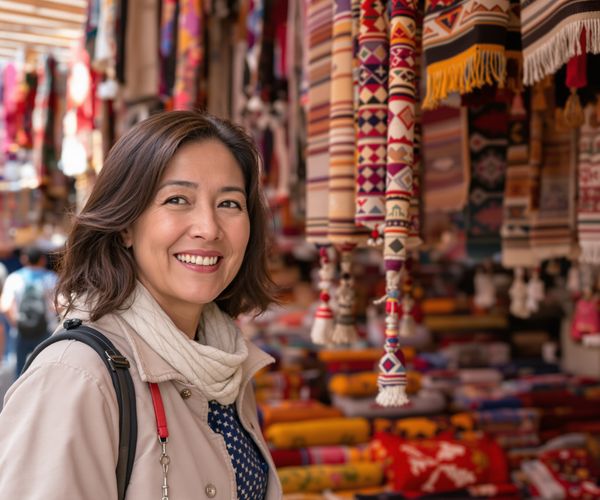
To truly immerse yourself in a culture, you need to venture beyond the tourist attractions and experience daily life. This means using local transportation, visiting local markets, and participating in local festivals and events.
Using local transportation, like buses and trains, can give you a glimpse into the everyday lives of the people who live there. You'll see how they interact with each other, what they read, and what they talk about. Visiting local markets is another great way to experience the local culture. You'll find unique food, crafts, and see daily interactions.
Volunteering can also be a rewarding experience. It allows you to contribute to community projects and gain unique insights into the local culture. Whether you're helping to build a school, clean up a park, or teach English, you'll be making a difference and connecting with people on a deeper level.
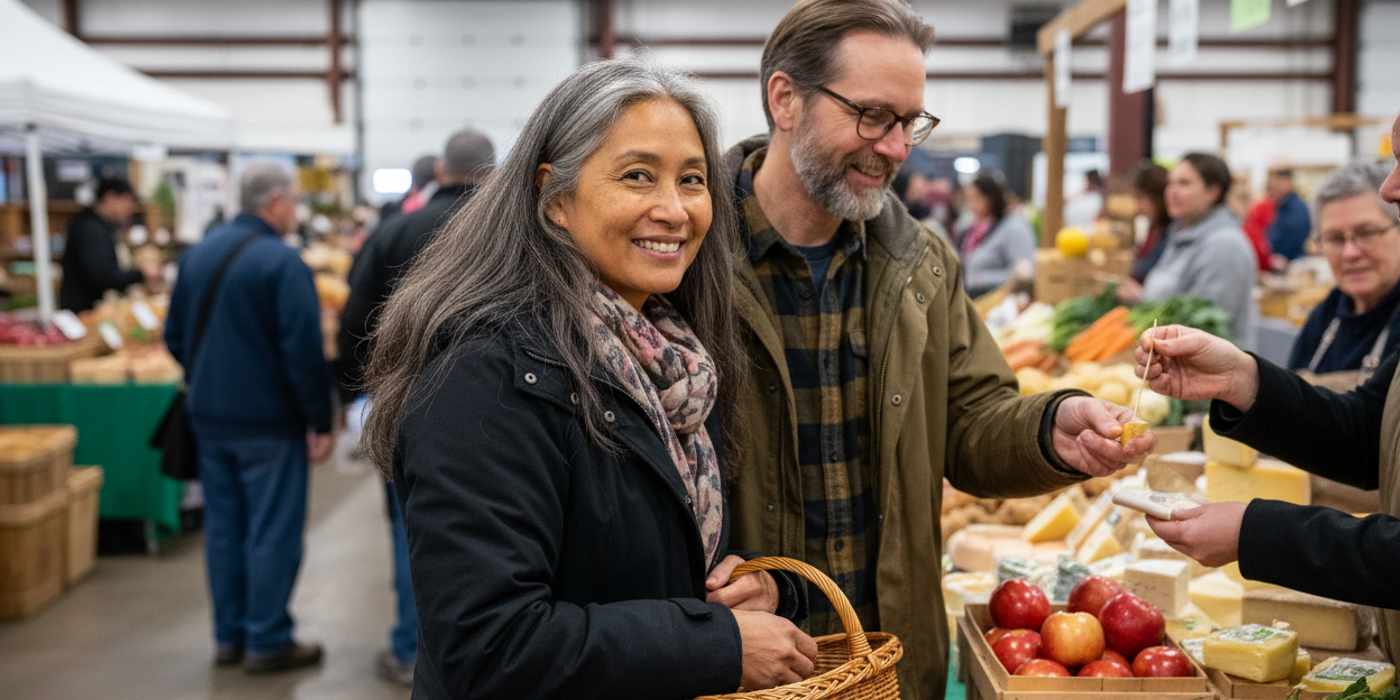
I always recommend visiting local farmers' markets. Here in Stratford, the farmers' market is a vibrant hub of community life. You can find fresh, local produce, meet the farmers who grow it, and sample traditional foods. Similar experiences can be found all over the world, from the bustling markets of Marrakech to the floating markets of Bangkok.
The Art of Observation and Active Listening
Cultural anthropology emphasizes the importance of observation and active listening. Participant observation involves immersing yourself in activities while carefully observing and respecting boundaries. This means being present in the moment, paying attention to details, and being mindful of your impact on the environment.
Active listening involves engaging in conversations, asking open-ended questions, and showing genuine interest in what people have to say. It's about creating a space where people feel comfortable sharing their stories and perspectives. Non-verbal communication is also important. Understanding gestures, body language, and personal space can help you interpret subtle cultural cues and avoid misunderstandings.
My background in linguistics has been invaluable in this regard. It has taught me how to listen for the nuances in language, how to interpret non-verbal cues, and how to understand the cultural context in which communication takes place. These skills have allowed me to connect with people from all walks of life and to gain a deeper understanding of their cultures.
Overcoming Challenges and Embracing Discomfort
Deep cultural immersion is not always easy. You may encounter challenges such as culture shock, language barriers, and biases. It's important to be prepared for these challenges and to have strategies for overcoming them.
Culture shock is a common experience when traveling to a new place. It can manifest as feelings of disorientation, frustration, or even anger. It's important to recognize these feelings and to manage them in a healthy way. This might involve taking breaks, seeking support from others, or simply reminding yourself that these feelings are temporary.
Language barriers can also be a challenge. Using translation tools and being patient with communication difficulties can help. Remember that communication is not just about words; it's also about gestures, facial expressions, and body language.
Addressing biases and assumptions is also crucial. We all have our own cultural lens through which we view the world. It's important to recognize this lens and to challenge our preconceived notions. Be open to new perspectives and be willing to learn from others.
As an immigrant myself, I've had my fair share of navigating cultural differences. It's not always easy, but it's always rewarding. By embracing new perspectives and challenging my own assumptions, I've grown as a person and gained a deeper understanding of the world.
Explore how cultural anthropology can transform travel into a deeply immersive experience. Get practical tips on engaging with local cultures respectfully and meaningfully.