Traveling isn't just about seeing new places; it's about experiencing them. It's about connecting with the heart and soul of a destination, understanding its people, and embracing its traditions. For me, Mei Wong, a freelance Cantonese translator and avid traveler, cultural immersion is the essence of a meaningful journey. It’s what transforms a simple trip into an unforgettable adventure.
So, how do we truly immerse ourselves in the local culture while traveling? It's a question I've pondered and practiced throughout my years of exploration. Here are some tried-and-true tips that have enriched my travels and allowed me to forge genuine connections with the world around me.
Embrace the Language: Your Gateway to Connection
One of the most impactful ways to connect with a new culture is through its language. You don't need to become fluent, but learning a few basic phrases can make a world of difference. Imagine the smiles and welcoming gestures you'll receive when you greet someone in their native tongue. It shows respect and a genuine interest in their culture.
There are countless resources available for language learning. Apps like Duolingo, Memrise, and Babbel are fantastic for building a foundation. Consider investing in a phrasebook or taking a short introductory course before your trip. Even mastering greetings like 'hello,' 'thank you,' and 'excuse me' can significantly enhance your interactions.
I remember traveling through rural China and attempting to use my limited Mandarin. While my pronunciation wasn't perfect, the locals were incredibly patient and appreciative of my efforts. One elderly woman even invited me into her home for tea, an experience I would have missed entirely if I hadn't tried to communicate in her language.
Here are a few essential phrases to consider learning, depending on your destination:
- 你好 (Nǐ hǎo) - Hello (Mandarin Chinese)
- Merci - Thank you (French)
- Gracias - Thank you (Spanish)
- Arigato - Thank you (Japanese)
Participate in Local Customs: Respect and Understanding
Before embarking on your journey, take the time to research the local customs and etiquette. Understanding the cultural norms will help you navigate social situations with grace and avoid unintentional offense.
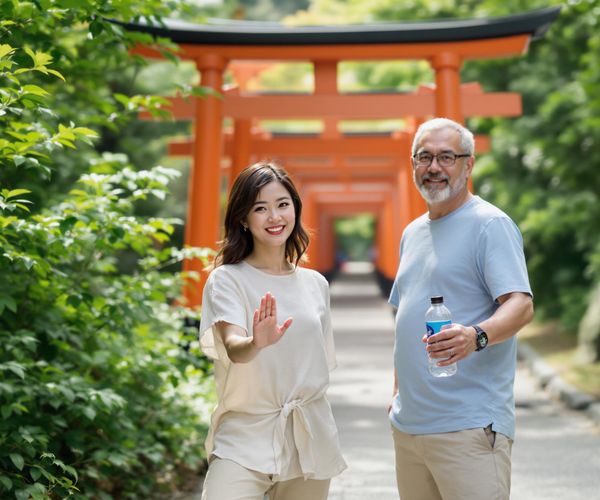
Customs vary greatly around the world. In Japan, bowing is a common greeting, while in some Middle Eastern countries, it's customary to remove your shoes before entering someone's home. Dining etiquette also differs significantly; for example, in some Asian cultures, it's considered impolite to stick your chopsticks upright in a bowl of rice.
Being mindful and respectful of local traditions is paramount. Observe how locals interact with each other and try to emulate their behavior. If you're unsure about something, don't hesitate to ask a local for guidance. Most people are happy to share their culture with visitors.
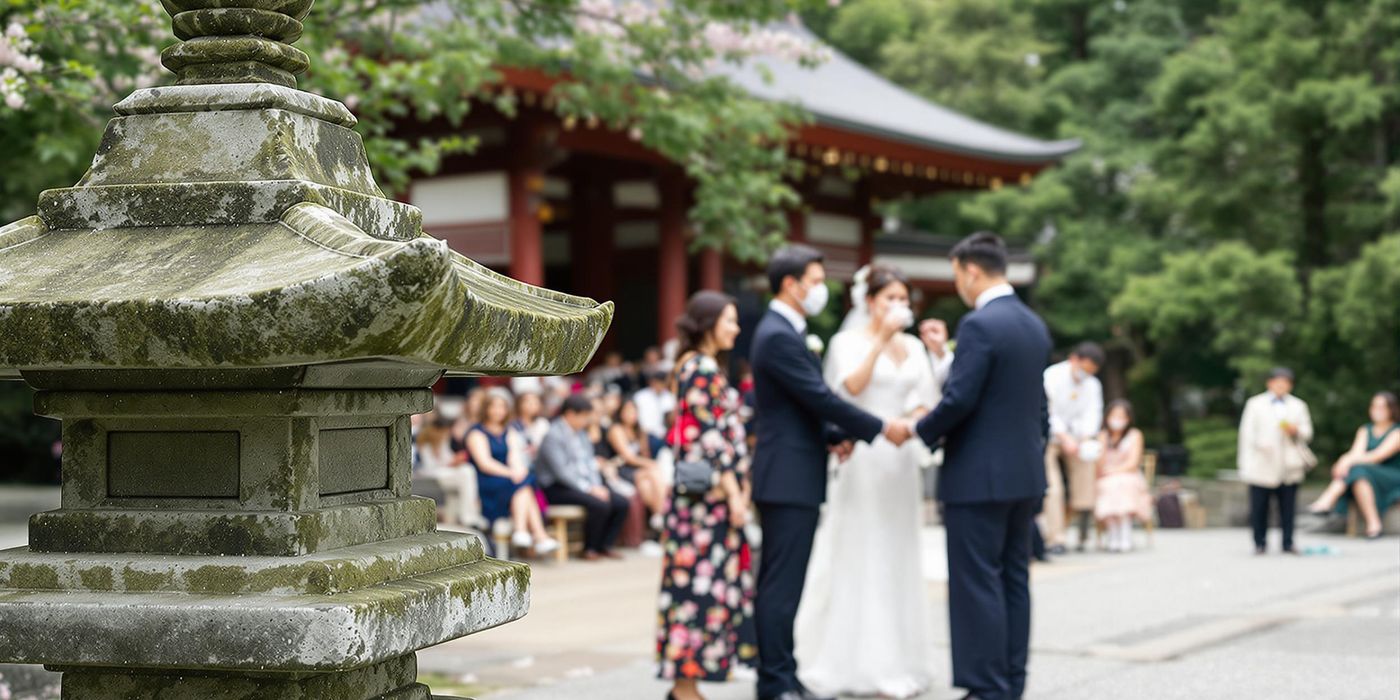
During a trip to India, I was invited to attend a traditional wedding ceremony. I made sure to dress modestly, remove my shoes before entering the temple, and follow the lead of the other guests. It was an incredible experience that deepened my understanding of Indian culture and traditions.
Engage with Locals: Building Meaningful Relationships
One of the most rewarding aspects of cultural immersion is the opportunity to connect with locals on a personal level. Don't be afraid to strike up conversations, ask questions, and show genuine interest in their lives.
Participating in local activities and events is a great way to meet people. Attend a local festival, take a cooking class, or volunteer for a community project. These experiences will allow you to interact with locals in a meaningful way and gain insights into their daily lives.
Listening to local stories and perspectives is invaluable. Everyone has a unique story to tell, and by listening to these stories, you can gain a deeper understanding of the culture and the challenges and triumphs of its people.
I've formed some of my most cherished friendships while traveling. During a trip to Italy, I struck up a conversation with a local artisan who was selling his handmade ceramics at a market. We talked for hours about our lives, our passions, and our dreams. We still keep in touch today, and I consider him a dear friend.
Explore Local Cuisine: A Taste of Culture
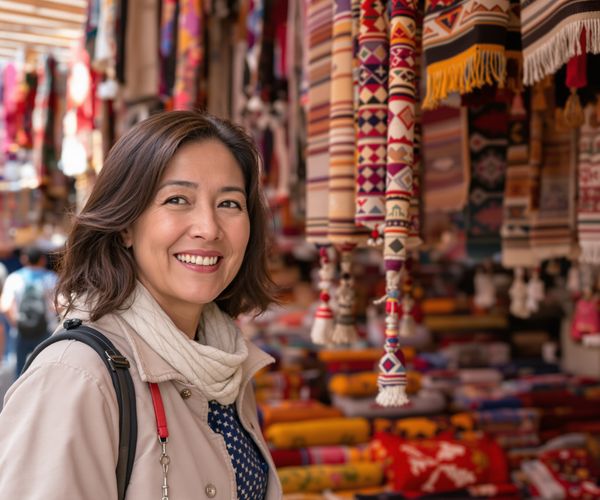
Food is an integral part of any culture, and exploring local cuisine is a delicious way to immerse yourself in the local way of life. Venture beyond the tourist restaurants and seek out authentic local dishes. Visit local markets and food stalls, where you can sample regional specialties and interact with local vendors.
Taking a cooking class is a fantastic way to learn about regional cuisine and the ingredients and techniques that go into creating traditional dishes. You'll not only gain new culinary skills but also learn about the cultural significance of different foods.
I'll never forget the first time I tried authentic Pad Thai in Thailand. It was a sensory explosion of flavors and textures that transported me to another world. It wasn't just a meal; it was a cultural experience.
Sustainable Tourism: Respecting the Environment and Community
As travelers, we have a responsibility to minimize our impact on the environment and support local communities. Choosing eco-friendly accommodations and transportation is a great way to reduce your carbon footprint. Support local businesses and artisans by purchasing locally made products and services.
Be mindful of your consumption habits and avoid using single-use plastics. Respect local customs and traditions and avoid engaging in activities that could harm the environment or exploit local communities.
I always try to stay in locally owned guesthouses and eat at family-run restaurants when I travel. It's a small way to support the local economy and ensure that my tourism dollars are directly benefiting the community.
The Power of Observation: Noticing the Unspoken
Sometimes, the most profound cultural insights come from simply observing the world around you. Pay attention to non-verbal communication and body language. Observe the daily life and routines of locals. Notice the subtle nuances of their interactions and the way they navigate their environment.
Understanding cultural nuances through observation can be incredibly rewarding. You'll begin to see the world through a different lens and gain a deeper appreciation for the diversity of human experience.
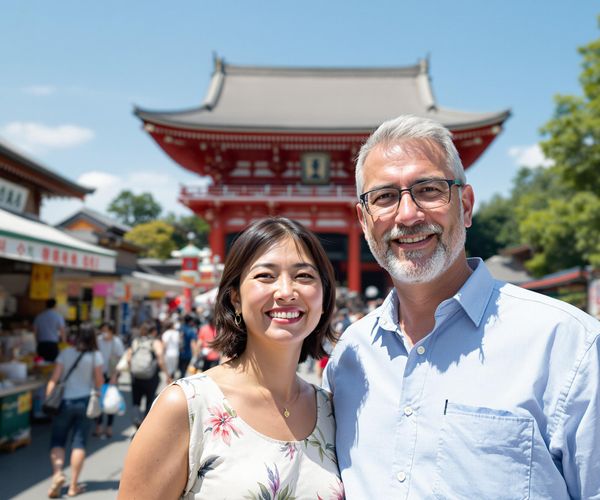
During a trip to Japan, I spent hours simply sitting in a park, watching the locals go about their daily lives. I observed the way they interacted with each other, the way they dressed, and the way they navigated the crowded streets. It was a fascinating glimpse into Japanese culture that I couldn't have gained from reading a book or taking a tour.
Cultural immersion is a journey, not a destination. It's a continuous process of learning, growing, and connecting with the world around us. By embracing the language, participating in local customs, engaging with locals, exploring local cuisine, practicing sustainable tourism, and honing your powers of observation, you can transform your travels into truly meaningful and unforgettable experiences.
Practical tips and strategies for immersing yourself in the local culture during your travels, enhancing your travel experience.