Why Bird Watching?
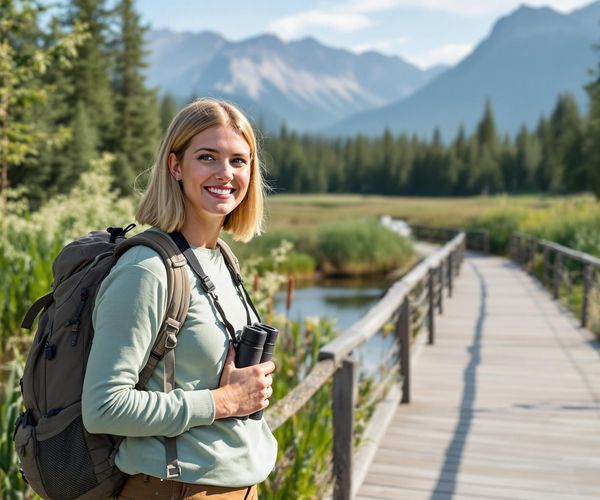
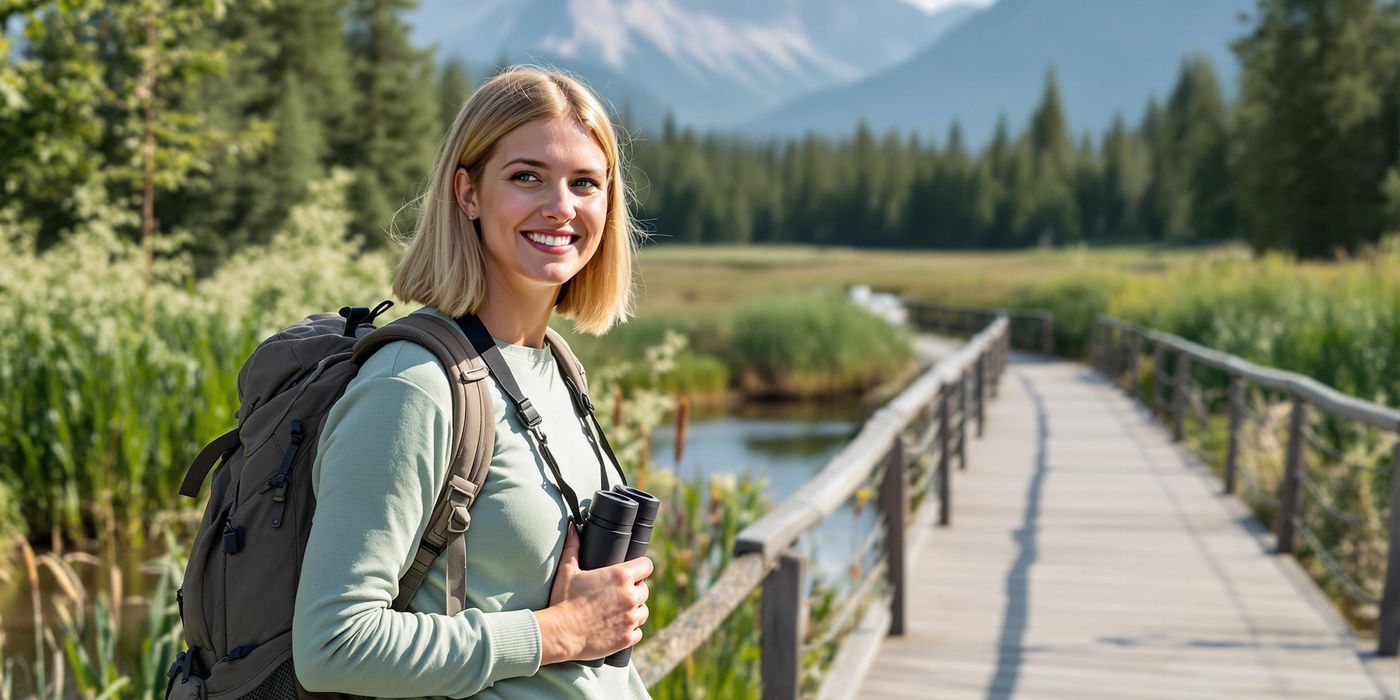
For me, bird watching is more than just a hobby; it's a way to connect with nature on a deeper level. It's about slowing down and truly seeing the world around me. When I'm traveling, bird watching enhances my experience by drawing my attention to the unique wildlife and ecosystems of each place. It's incredible how much you can learn about a region simply by observing its birds. And let's not forget the stress-reducing benefits! Spending time in nature, focusing on the sights and sounds of birds, is incredibly calming and therapeutic.
Essential Gear for Bird Watching
You don't need a lot of fancy equipment to start bird watching, but a few key items will definitely enhance your experience:
- Binoculars: A good pair of binoculars is essential. Look for models with good magnification, such as 8x42 or 10x42. For beginners, I recommend checking out brands like Opticron Oregon, Celestron Nature DX ED, or Hawke Nature-Trek 8x42. They offer great quality without breaking the bank.
- Field Guide: A field guide is your best friend when it comes to identifying birds. You can choose a physical book or a mobile app. The Sibley Guide to Birds is a comprehensive option, and the Merlin Bird ID app is fantastic for quick identification on the go.
- Clothing: Opt for neutral colors like greens, browns, and grays to blend in with your surroundings. This will help you avoid startling the birds.
- Backpack: A comfortable backpack is perfect for carrying water, snacks, a notebook, and any other essentials you might need during your bird watching adventures.
Getting Started: Where and When to Go
One of the best things about bird watching is that you can do it almost anywhere! Here are a few tips to get you started:
- Best time of day: Birds are generally most active around dawn, so try to head out early in the morning for the best sightings.
- Local Parks: Start by exploring your backyard or local parks. You'd be surprised at the variety of birds you can find close to home.
- Diverse Habitats: Different habitats attract different bird species. Try visiting forests, wetlands, and grasslands to see a wider variety.
- Top Canadian Destinations: If you're in Canada, consider visiting Point Pelee National Park, Vancouver Island, or Newfoundland's Avalon Peninsula. These locations are renowned for their incredible birdlife.
Bird Identification: A Step-by-Step Guide
Identifying birds can seem daunting at first, but with a little practice, you'll be able to recognize different species in no time. Here's a simple approach:
- Size and Shape: Begin by noting the bird's overall size and shape. Is it small and round like a sparrow, or large and slender like a heron?
- Color Pattern: Pay attention to the bird's main color patterns and any distinctive markings, such as stripes, spots, or eye-rings.
- Behavior: Observe the bird's behavior. How does it feed? How does it fly? These clues can help narrow down the possibilities.
- Habitat: Consider the habitat where you spotted the bird. Some species are specific to certain environments.
- Using Apps: Don't hesitate to use bird identification apps like Merlin Bird ID. They can be incredibly helpful, especially when you're just starting out.
Bird Watching Etiquette and Ethics
It's important to practice ethical bird watching to ensure the well-being of the birds and their habitats:
- Respect Birds: Always keep a safe distance from birds and their nests. Avoid getting too close, as this can cause stress and disrupt their natural behaviors.
- Minimize Disturbance: Avoid making loud noises or sudden movements that could scare the birds.
- Avoid Playback: Refrain from using recordings of bird calls, especially near nesting areas. This can disrupt their communication and breeding.
- Leave No Trace: Pack out all trash and avoid disturbing the environment. Leave the area as you found it.
- Be Considerate: Show kindness to fellow birders and share your sightings. The bird watching community is a welcoming and supportive one.
Embark on a fulfilling bird watching journey with Mette's beginner tips. Discover essential gear, prime locations, and ethical practices to connect with nature and appreciate wildlife.