Berlin, February 10, 2025 – For years, I’ve wandered the globe, not just as a tourist, but as a traveler seeking genuine connection. It’s more than ticking off landmarks; it’s about weaving yourself into the tapestry of a place, understanding its rhythm, and embracing its soul. Join me as I share insights on how to truly connect with local communities, transforming your trips into profound cultural experiences.
Beyond the Tourist Trail: Defining Cultural Immersion
Cultural immersion is far more than a fleeting visit to a famous site. It’s about engaging with the heart and soul of a community. It means stepping outside the well-trodden tourist paths and venturing into the everyday lives of the people who call a place home. It's about genuine interaction, understanding, and respect.
The benefits are mutual. As travelers, we gain a deeper understanding of the world, challenge our preconceptions, and broaden our perspectives. For local communities, it offers opportunities for cultural exchange, economic support, and the preservation of their traditions.
I remember once in a small village in Tuscany, Jürgen and I stumbled upon a local festival celebrating the olive harvest. We weren't just observers; we were invited to participate in the traditional dances, share a meal with the villagers, and learn about the history of their olive groves. That experience was far more enriching than any museum visit could have been. It’s important to remember that as travelers, we are guests, and we should always act accordingly, with humility and respect.
Preparation is Key: Research and Respect
Before you even pack your bags, dedicate time to researching your destination's customs, traditions, and etiquette. Understanding these nuances is crucial to avoiding unintentional offenses and ensuring respectful interactions. There are so many resources available these days!
Start with cultural atlases and reputable travel blogs – not just the glossy highlight reels, but those that delve into the realities of life in your destination. Local tourism boards can also provide valuable insights. Respecting religious and cultural sites is paramount. Dress modestly when visiting places of worship, and be mindful of local customs regarding photography and noise levels.
I once made the mistake of wearing shorts to a temple in Thailand. I was immediately, and rightfully, asked to cover up. Luckily, I had a scarf with me, and I learned a valuable lesson that day. If you do make a cultural faux pas, apologize sincerely and try to learn from the experience. A little humility goes a long way.
Language as a Bridge: Communicating with Locals
You don't need to be fluent to connect with people. Learning even a few basic phrases in the local language can significantly enhance your interactions. A simple “hello,” “thank you,” or “please” shows respect and a willingness to engage.
There are fantastic language learning resources available, from apps like Duolingo and Babbel to phrasebooks and online tutors. Don't be afraid to practice, even if you make mistakes. Locals often appreciate the effort, and it can lead to some truly memorable moments.
I remember struggling to order coffee in a small café in Rome. My Italian was terrible, but the barista patiently helped me, and we ended up having a lovely conversation about our favorite Italian films. That simple exchange wouldn't have happened if I hadn't tried to speak the language.
Engaging with Daily Life: Food, Festivities, and Traditions
Step away from the tourist restaurants and explore the local cuisine. Sample street food, take a cooking class, or visit a local market. Food is a universal language, and sharing a meal is a wonderful way to connect with people.
Attend local festivals, ceremonies, and community events. These are opportunities to witness traditions firsthand and learn about the history and culture of a place. Participate respectfully in local traditions, whether it's learning a traditional craft, trying a local dance, or simply observing with an open mind.
One of my fondest memories is attending a traditional tea ceremony in Kyoto. The intricate rituals, the delicate flavors, and the sense of tranquility were truly captivating. It was a privilege to be a part of such a meaningful cultural experience.
Supporting Local Economies: Conscious Consumption
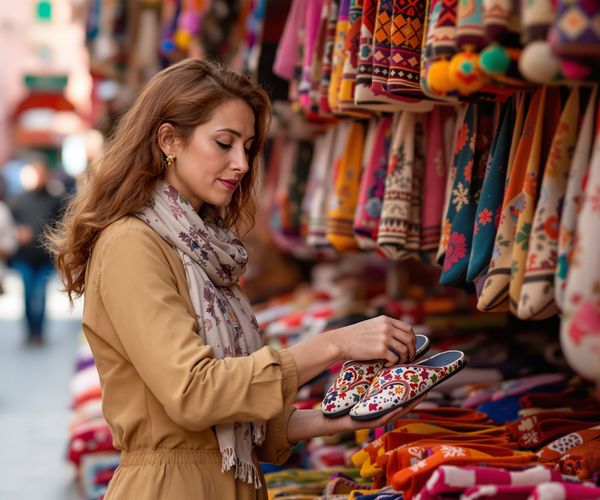
Be mindful of where you spend your money. Supporting local businesses, artisans, and entrepreneurs helps to sustain communities and preserve their cultural heritage. Look for authentic, locally made products and services, and avoid mass-produced souvenirs.
Choose locally owned accommodations, restaurants, and tour operators. Consider volunteering for a local organization or contributing to a community project. Fair bargaining is acceptable in some cultures, but always avoid exploitative practices. A little goes a long way to ensure that your travels have a positive impact on the places you visit.
Open Mind, Open Heart: Embracing Differences
Approach cultural differences with curiosity, empathy, and a willingness to learn. Challenge your own assumptions and stereotypes. Remember that what is considered normal in your culture may be different elsewhere. Be open to new perspectives and ways of life.
Cultural immersion can be transformative. It can lead to personal growth, a broader worldview, and a deeper understanding of humanity. It can also foster a greater appreciation for the beauty and diversity of our world.
I believe that travel is more than just seeing the world; it's about connecting with it. By embracing cultural immersion, we can transform our trips into meaningful experiences that enrich our lives and contribute to a more understanding and compassionate world.
Learn how to go beyond the typical tourist paths and engage deeply with local cultures and communities. Tips on language, etiquette, and community events.