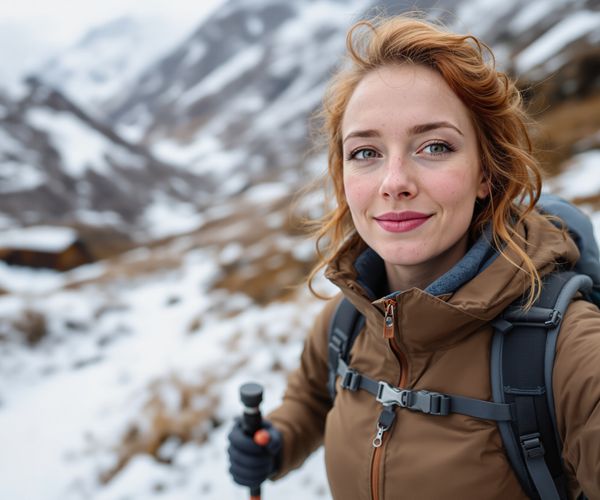
For me, hiking isn't just an activity; it's a journey into the heart of nature and a path to self-discovery. As a freelance translator and travel blogger, I've wandered through countless landscapes, but it's the simple act of putting one foot in front of the other on a winding trail that truly resonates with me. In today's fast-paced world, escaping the urban jungle and immersing ourselves in the tranquility of nature has become more crucial than ever. Let's explore the transformative benefits of hiking and how it can enrich your travel experiences.
Hiking: More Than Just a Walk
In recent years, I've noticed a surge in people seeking solace in nature through hiking. It's no longer just a physical exercise; it's a mindful activity that allows us to disconnect from the digital world and reconnect with our inner selves. I recall a particularly transformative hike in the Swiss Alps, where the sheer magnitude of the mountains humbled me, and the crisp mountain air cleared my mind. It was then I realized that hiking is more than just a walk; it's an opportunity for introspection and rejuvenation.
The Symphony of Physical Benefits
Beyond the mental and emotional rewards, hiking offers a plethora of physical benefits. The cardiovascular advantages are undeniable; hiking elevates your heart rate, improving circulation and reducing the risk of heart disease. As you navigate varied terrains, you engage multiple muscle groups, strengthening your legs, core, and even your arms if you use trekking poles. Hiking is also a fantastic way to manage your weight and maintain overall fitness. When traveling, we often find ourselves confined to cars, trains, or planes for extended periods. Incorporating hiking into your itinerary is a wonderful way to counteract the sedentary aspects of transportation and keep your body active.
Hiking and Mental Well-being: Finding Peace on the Trail
For me, the mental well-being aspect of hiking is what truly sets it apart. Studies have shown that spending time in nature reduces stress and anxiety. As you immerse yourself in the sights, sounds, and smells of the natural world, your mind quiets down, and worries fade away. I often find myself entering a meditative state while hiking, my focus narrowing to the rhythm of my footsteps and the beauty surrounding me. This mindfulness practice can be incredibly grounding and can help improve your overall mood. Furthermore, the natural environment has been shown to foster creativity and problem-solving. I've often found solutions to complex translation challenges while hiking, my mind unburdened by the distractions of daily life.
Choosing Your Path: Finding the Perfect Hiking Trail
Selecting the right hiking trail is crucial for a positive experience. Before embarking on a hike, take the time to research and choose a trail that aligns with your fitness level and interests. Online databases like AllTrails and local hiking clubs are excellent resources for finding trails in your area. Consider the difficulty level, scenery, and any historical or cultural significance the trail may offer. As someone with a keen interest in history and cultural anthropology, I often seek out trails that lead to ancient ruins or offer insights into the local culture. Remember to be realistic about your physical capabilities and experience. Start with shorter, easier trails and gradually progress to more challenging ones as your fitness improves.
Gear Up for Gratification: Essential Hiking Equipment
Having the right gear can make all the difference on a hike. Proper footwear is paramount to prevent blisters and injuries. Invest in a pair of sturdy hiking boots or trail shoes that provide good support and traction. Choose clothing that is appropriate for the weather conditions, layering to adjust to changing temperatures. Always carry plenty of water and snacks to stay hydrated and energized. A first-aid kit is essential for dealing with minor injuries. Other useful gear includes trekking poles for added stability, a map and compass or GPS device for navigation, and sunscreen and insect repellent for protection from the elements.
Safety First: Staying Safe on the Trails
Safety should always be your top priority when hiking. Before heading out, check the weather forecast and be prepared for changing conditions. Stay on marked trails and avoid venturing off into unfamiliar territory. Be aware of your surroundings and watch out for potential hazards, such as slippery rocks or steep drop-offs. If you encounter wildlife, maintain a safe distance and avoid feeding them. In case of an emergency, carry a whistle to signal for help and know basic first aid. It's also a good idea to let someone know your hiking plans and expected return time.
Hiking as Sustainable Tourism: Respecting the Environment
As travelers, we have a responsibility to protect the environment we explore. When hiking, adhere to the Leave No Trace principles: pack out all trash, stay on marked trails to avoid damaging vegetation, and minimize your impact on the natural surroundings. Support local businesses and communities by purchasing supplies from local stores and eating at local restaurants. By practicing sustainable tourism, we can ensure that future generations will be able to enjoy the beauty of our planet.
Personal Growth Through Hiking: Lessons from the Wilderness
Hiking has taught me invaluable lessons about myself and the world around me. I've learned to overcome challenges, build confidence, and appreciate the simple things in life. I recall a particularly difficult hike in the Scottish Highlands, where I had to push myself beyond my limits to reach the summit. The sense of accomplishment I felt when I finally reached the top was immense. Nature has a way of stripping away the superficial and revealing our true selves. It teaches us patience, perseverance, and resilience. By connecting with nature, we connect with ourselves and gain a deeper understanding of our place in the world.
Explore the transformative benefits of hiking, connecting with nature and yourself. Discover physical and mental well-being, trail tips, gear recommendations, and safety advice for sustainable tourism.