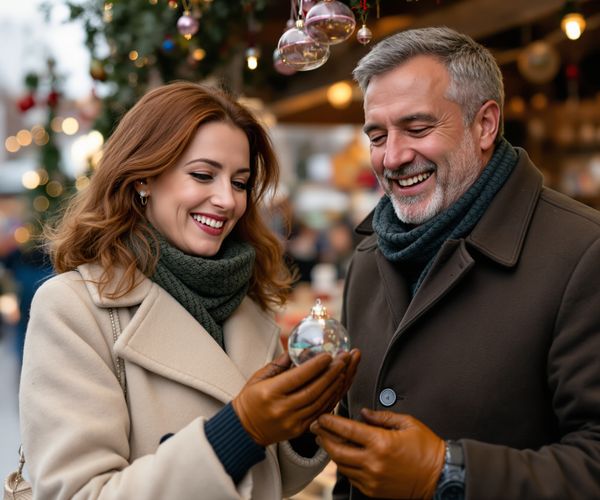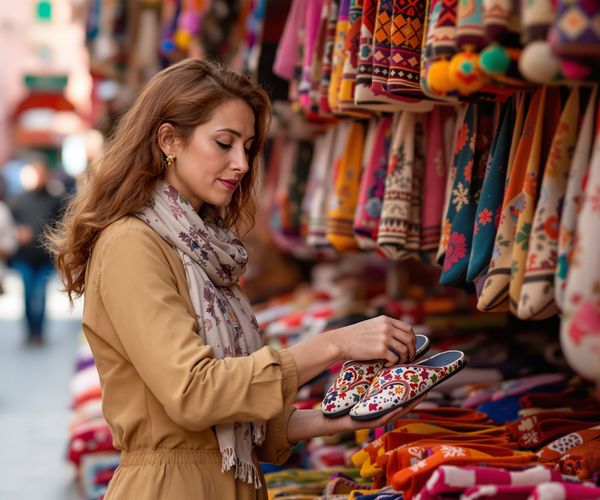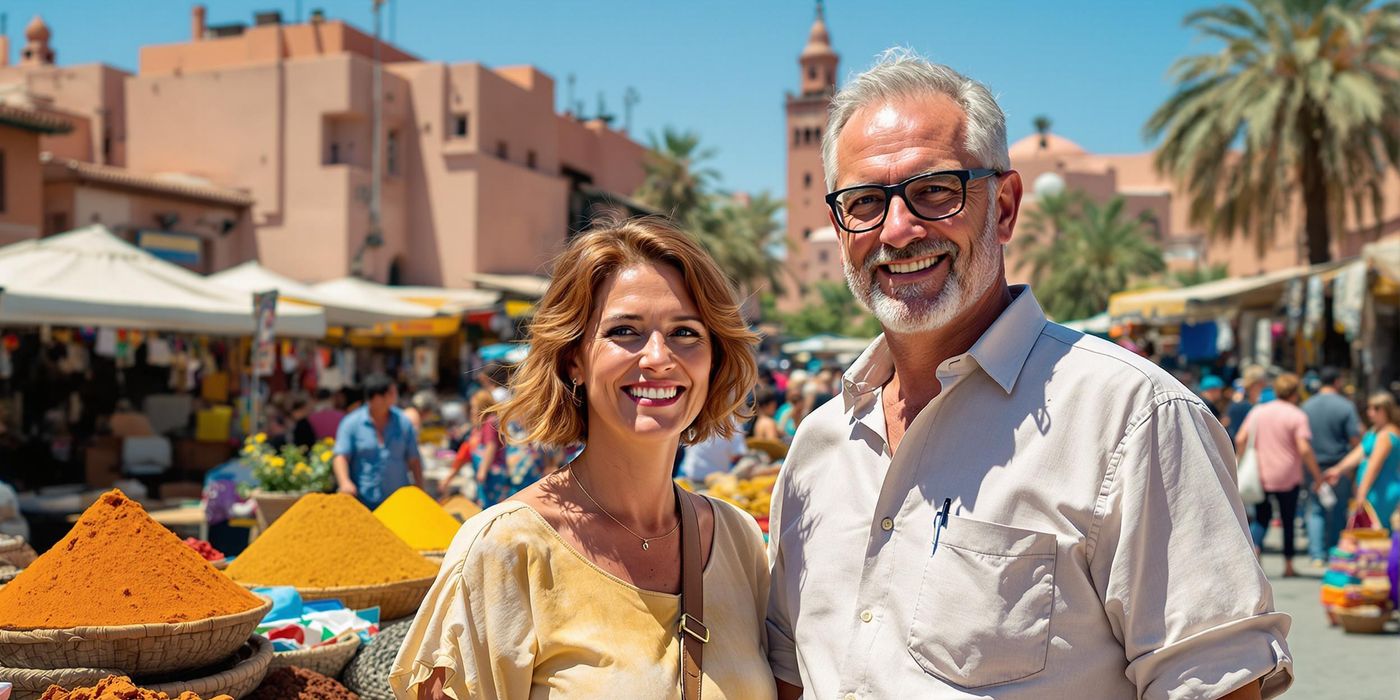
As Jürgen and I wandered through the bustling market square in Marrakech, the scent of spices hung heavy in the air, a symphony of sounds enveloped us, and a kaleidoscope of colors assaulted our senses. It was more than just a shopping trip; it was a deep dive into the heart of Moroccan culture. This experience, repeated in countless markets around the world, has cemented my belief that local markets are more than just places to buy and sell—they are vibrant cultural hubs, offering a unique window into the soul of a place.
A Sensory Immersion
Imagine stepping into a world where every sense is heightened. That's the magic of a local market. The sights are a riot of color: vibrant textiles, glistening produce, and the intricate details of handcrafted goods. The sounds are a cacophony of bartering, laughter, and the calls of vendors vying for attention. The smells are intoxicating, a blend of exotic spices, freshly baked bread, and fragrant flowers. And the tastes? Oh, the tastes! From sweet pastries to savory street food, local markets offer a culinary adventure for every palate.
In the Tsukiji Outer Market in Tokyo, the sharp tang of fresh seafood mingles with the sweet aroma of grilled eel. In a small village market in Tuscany, the earthy scent of truffles blends with the comforting fragrance of ripe tomatoes and basil. Each market has its own unique olfactory signature, a fragrant reminder of the place and its people.
More Than Just Shopping: The Cultural Heartbeat
Local markets are so much more than just places to purchase goods; they are the beating heart of a community. They are where traditions are preserved, stories are shared, and connections are made. Markets reflect the values, lifestyles, and history of a place in a way that no museum ever could. You see it in the faces of the vendors, in the goods they sell, and in the way people interact with each other.
In many cultures, markets are also important social spaces. They are places where people gather to meet friends, exchange news, and celebrate special occasions. They are where the pulse of daily life is felt most strongly.
A Taste of Place: Regional Cuisine
For me, one of the greatest joys of visiting a local market is the opportunity to sample regional cuisine. Street food vendors offer a tantalizing array of dishes, each one a reflection of the local culinary traditions. I remember the first time I tried tagine in Marrakech, the rich, savory stew bursting with spices and tender meat. It was a revelation, a culinary experience that transported me to the heart of Moroccan culture.
In Oaxaca, Mexico, the markets are overflowing with mole, a complex sauce made from dozens of ingredients, each family guarding their own secret recipe. In Hanoi, Vietnam, the aroma of pho, a fragrant noodle soup, wafts through the air, beckoning hungry travelers to sample its comforting warmth. These are the flavors of a place, the tastes that linger in your memory long after you've left.
Handmade Treasures: Local Crafts and Art
Beyond the food, local markets are also treasure troves of handcrafted goods. From intricately woven textiles to hand-carved wooden sculptures, these items reflect the skill and creativity of local artisans. Each piece tells a story, a testament to the traditions and heritage of the community. I always make it a point to seek out these unique treasures, not just as souvenirs, but as a way to support local artisans and preserve traditional skills.
I remember purchasing a hand-painted ceramic bowl in a small market in Portugal. The artisan explained to me that the design was inspired by the azulejo tiles that adorn many of the buildings in the region. It was more than just a bowl; it was a piece of Portuguese history, a tangible reminder of the country's rich artistic heritage.
Navigating the Market: Tips for a Respectful Visit
Visiting a local market can be an exhilarating experience, but it's important to do so with respect and sensitivity. Here are a few tips to help you navigate the market like a local:
- Learn a few basic phrases in the local language. Even a simple hello or thank you can go a long way in building rapport with vendors.
- Bargain respectfully. Haggling is often expected in markets, but it's important to do so in a friendly and courteous manner. Remember, the goal is to reach a fair price for both you and the vendor.
- Be mindful of local customs. Dress modestly and be aware of any cultural norms or traditions that may be in place.
- Ask before taking photos. Some vendors may not want their picture taken, so it's always best to ask for permission first.
- Support local businesses. By purchasing goods from local vendors, you are directly contributing to the local economy and helping to preserve traditional crafts and skills.
Notable Markets Around the World
Here are a few notable markets around the world that I highly recommend visiting:
- Tsukiji Outer Market, Tokyo, Japan: A seafood lover's paradise, offering a vast array of fresh catches and delicious street food.
- Marrakech Souks, Morocco: A labyrinthine network of stalls selling everything from spices and textiles to leather goods and jewelry.
- La Boqueria, Barcelona, Spain: A vibrant food market showcasing the best of Catalan cuisine, with colorful displays of produce, seafood, and cured meats.
- Chatuchak Weekend Market, Bangkok, Thailand: One of the largest markets in the world, offering a dizzying array of goods, from clothing and accessories to antiques and furniture.
- Grand Bazaar, Istanbul, Turkey: A historic covered market with a rich history, selling carpets, ceramics, jewelry, and other traditional Turkish goods.
Sustainable Tourism and Ethical Consumption
Local markets play a vital role in promoting sustainable tourism and ethical consumption. By supporting local economies, reducing food miles, and preserving cultural heritage, markets contribute to a more responsible and sustainable way of traveling. When we choose to buy locally sourced goods, we are not only reducing our environmental impact, but also helping to ensure that traditional crafts and skills are passed down to future generations.
So, the next time you're planning a trip, be sure to include a visit to a local market. It's an opportunity to immerse yourself in the culture of a place, connect with local people, and discover unique treasures that you won't find anywhere else. It's an experience that will enrich your travels and leave you with lasting memories.
Discover the cultural significance of local markets and their role in showcasing regional cuisine and crafts. Explore the sensory experiences and personal interactions found in markets.