The world whispers secrets to those who listen, and I've found that the best way to hear them is through slow travel. It's not just about seeing a place; it's about feeling it, understanding it, and letting it change you. Forget the whirlwind tours and packed itineraries. Let's embark on a journey that savors every moment, connects us to the local culture, and leaves a lighter footprint on our planet.
The Essence of Slow Travel
Slow travel is more than just a trend; it's a philosophy. It stands in stark contrast to conventional tourism, where the goal is often to tick off as many landmarks as possible in the shortest amount of time. Instead, slow travel emphasizes quality over quantity. It's about taking your time, immersing yourself in the local culture, and fostering meaningful connections with the people and places you encounter.
In recent years, we've witnessed a surge in what's been termed revenge travel – a rush to make up for lost time after periods of lockdown and travel restrictions. While the desire to explore is understandable, this approach often leads to overcrowded destinations and a superficial experience. Slow travel offers a refreshing alternative – a chance to reconnect with ourselves and the world around us in a more deliberate and meaningful way. This involves longer stays in fewer destinations, allowing for a deeper immersion into the local way of life.
Monique's Slow Travel Philosophy
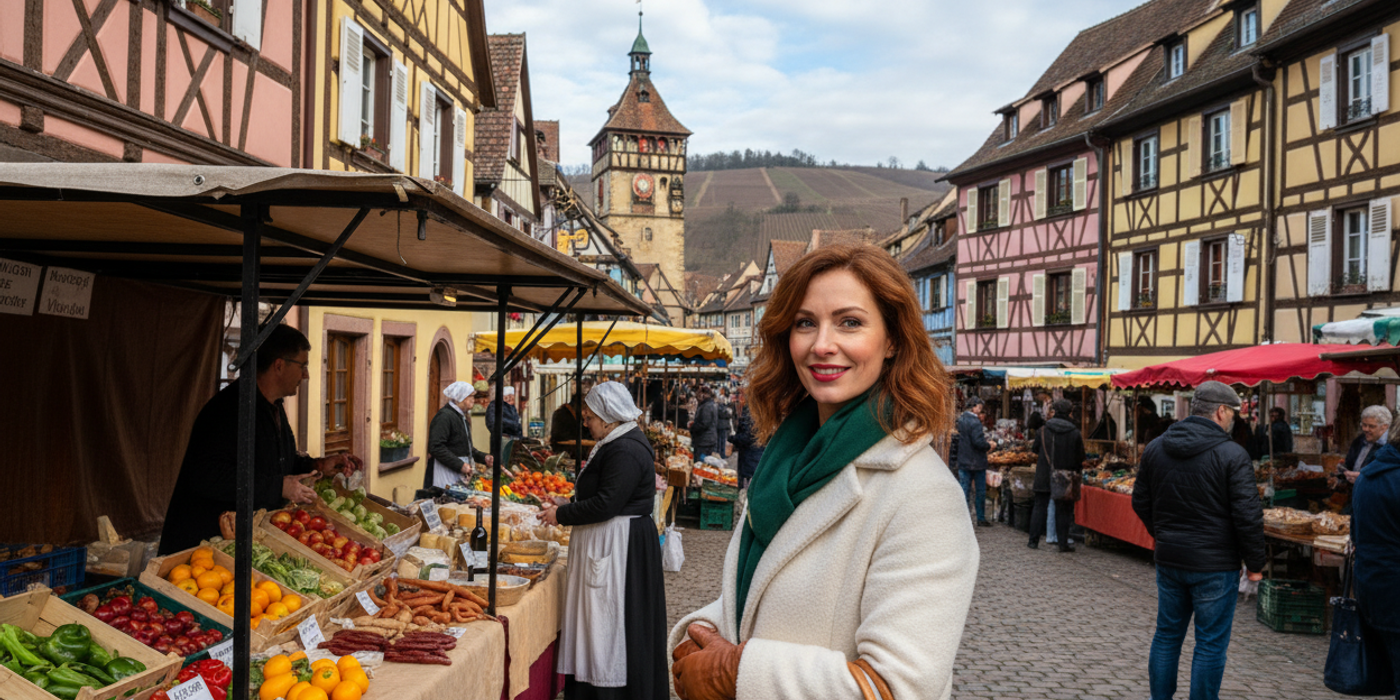
For me, slow travel isn't just a preference; it's a way of life. My husband, Jürgen, and I have always gravitated towards experiences that allow us to truly connect with a place. I recall a trip to the Alsace region in France. We spent two weeks exploring the charming villages, savoring the local wines, and learning about the region's history. Instead of rushing from one tourist site to another, we allowed ourselves to get lost in the moment, striking up conversations with locals and discovering hidden gems that weren't even mentioned in the guidebooks. It’s these unplanned moments that often become the most cherished memories.
My passion for history, cultural anthropology, and sustainable tourism deeply influences my travel choices. I'm fascinated by the stories behind places, the traditions that have been passed down through generations, and the ways in which different cultures interact with their environment. Slow travel allows me to delve into these interests, fostering a deeper understanding and appreciation for the world's diverse tapestry.
While I appreciate having a general plan for our trips, I also believe in leaving room for spontaneity. Some of our most memorable experiences have been the result of chance encounters or unexpected detours. It’s about striking a balance between planned activities and the freedom to explore whatever piques our interest along the way.
Mindfulness as a Travel Companion
Mindfulness is the practice of paying attention to the present moment without judgment. When applied to travel, it can transform the entire experience, allowing you to fully appreciate the sights, sounds, and sensations around you. Instead of being caught up in your thoughts or rushing to the next item on your itinerary, you become more attuned to the beauty and wonder of the present moment.
There are many ways to incorporate mindfulness into your travels. One simple technique is to practice mindful breathing. Take a few moments each day to focus on your breath, noticing the rise and fall of your chest or abdomen. This can help to calm your mind and bring you back to the present moment. Other mindful habits include setting intentions for the day and actively engaging all five senses.
Consider incorporating activities that naturally promote mindfulness, such as walking tours, cooking classes focused on local cuisine, or simply finding a quiet spot to journal your thoughts and observations. These activities encourage you to slow down, connect with your surroundings, and savor the journey.
Connecting with Local Culture
One of the most rewarding aspects of slow travel is the opportunity to connect with local communities. Instead of remaining detached as a tourist, you become an active participant in the local culture. This can involve something as simple as learning a few basic phrases in the local language, which can go a long way in breaking down barriers and fostering connections.
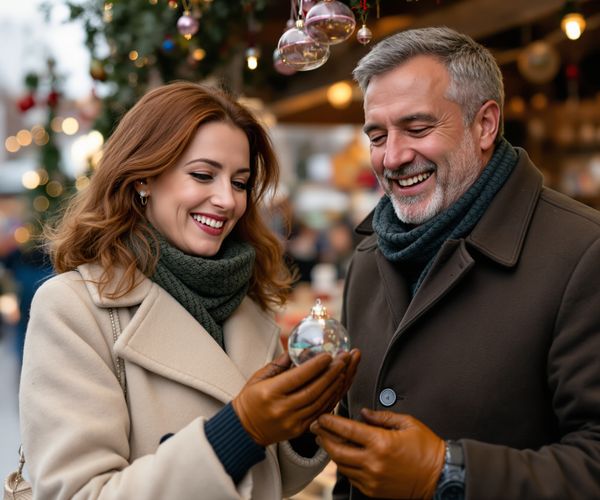
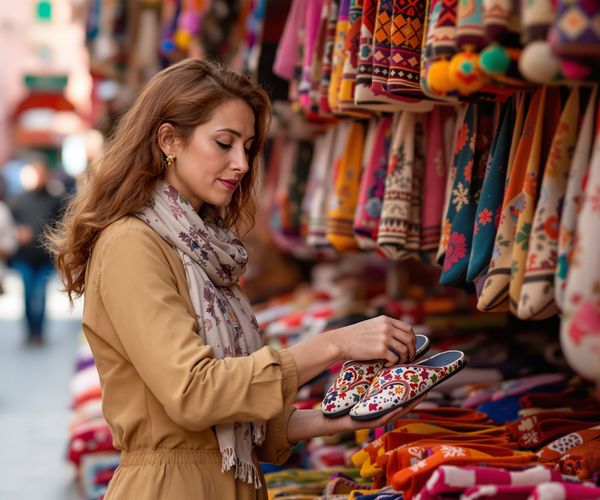
Attending local events, such as festivals, markets, or community gatherings, is another great way to immerse yourself in the culture. These events offer a glimpse into the traditions, customs, and values of the local people. Supporting local businesses, whether it's buying souvenirs from local artisans or dining at family-owned restaurants, helps to contribute to the local economy and preserve cultural heritage.
Cultural exchange is a two-way street. By engaging with locals, you not only learn about their culture but also have the opportunity to share your own. This exchange of ideas and perspectives can broaden your horizons and foster a deeper understanding of the world.
Sustainable Practices for Slow Travelers
Travel, while enriching, can have a significant impact on the environment. As slow travelers, we have a responsibility to minimize our footprint and make sustainable choices. This starts with being mindful of our consumption habits and seeking out eco-certified accommodations that prioritize sustainability.
Whenever possible, opt for public transportation, such as trains, buses, or trams, instead of renting a car. These modes of transportation are generally more energy-efficient and produce fewer emissions. When flying is necessary, consider offsetting your carbon footprint by donating to organizations that support environmental conservation projects.
Reducing waste is another crucial aspect of sustainable travel. Bring your own reusable water bottle, shopping bag, and coffee cup to avoid single-use plastics. Support businesses that are committed to reducing waste and promoting recycling.
Beyond the environmental impact, it's important to consider the social and economic impact of our travels on local communities. Choose to support businesses that pay fair wages, respect local customs, and contribute to the well-being of the community.
Savoring the Journey: Activities for Mindful Exploration
Slow travel is all about savoring the journey, and there are countless ways to do so. Visiting local markets is a feast for the senses, allowing you to sample regional delicacies, admire handcrafted goods, and interact with local vendors. Exploring hidden gems, such as off-the-beaten-path neighborhoods or lesser-known historical sites, can lead to unexpected discoveries and a deeper appreciation for the local culture.
Taking time to simply pause and reflect is essential for mindful exploration. Find a quiet spot, whether it's a park bench, a cozy café, or a scenic overlook, and allow yourself to soak in the atmosphere. Observe the people around you, listen to the sounds of the city, and appreciate the beauty of your surroundings.
In today's hyper-connected world, it's easy to get caught up in technology. However, disconnecting from your devices, even for a few hours each day, can significantly enhance your travel experience. Put away your phone, turn off your notifications, and fully immerse yourself in the present moment.
The Benefits of Slow Travel: Beyond the Itinerary
The benefits of slow travel extend far beyond the itinerary. By slowing down and engaging with our surroundings, we can reduce stress, improve our mental health, and increase our self-awareness. The constant rush and stimulation of modern life can take a toll on our well-being. Slow travel offers a chance to escape the noise and reconnect with ourselves.
Deeper cultural engagement has the potential for personal growth and transformation. By stepping outside of our comfort zones and interacting with people from different backgrounds, we can challenge our assumptions, broaden our perspectives, and develop a greater sense of empathy. Slow travel can also be surprisingly economical. By staying in one place for a longer period of time, you can often negotiate discounts on accommodation and activities. You also have the opportunity to explore local markets and grocery stores, which can be significantly cheaper than eating out at restaurants every night.
Discover the art of slow travel and its profound impact on cultural immersion and personal enrichment. Embrace mindful exploration for unforgettable journeys.