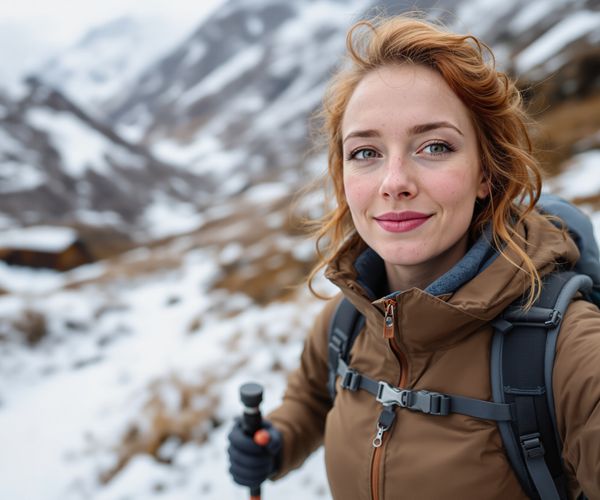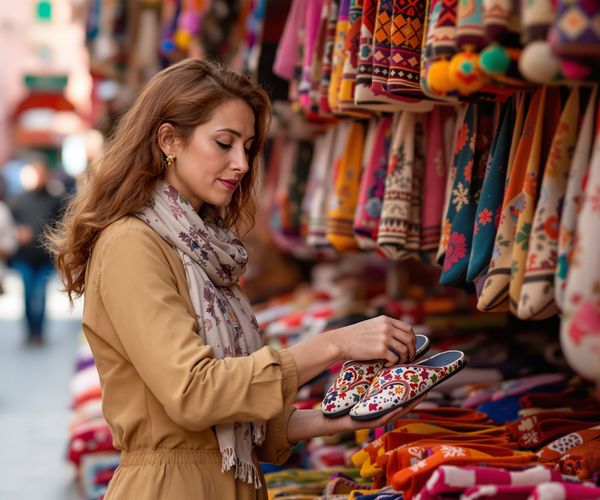
As a translator and travel blogger, I've always believed that language is more than just a tool for communication; it's a passport to authentic experiences. It's the key that unlocks hidden corners of cultures, forging connections that transcend borders. Join me as I explore the transformative power of language in travel, sharing insights and tips to help you break barriers and build bridges on your own adventures.
The Transformative Power of Language in Travel
Language is more than just exchanging words; it's about understanding nuances, appreciating cultural subtleties, and connecting with people on a deeper level. It transforms you from a mere observer to an active participant in the local culture. I remember once being in a small village in the Italian Dolomites. My attempts to speak Italian, however broken, were met with warm smiles and open arms. Locals shared stories, offered homemade wine, and invited us to join their family dinner. That evening wouldn't have been possible if I hadn't made the effort to communicate in their language.
Learning even a few basic phrases can shift your experience from being a passive tourist to an engaged explorer. It shows respect, curiosity, and a genuine interest in the local way of life. Instead of just seeing the sights, you start to understand the stories behind them, the traditions that shape them, and the people who bring them to life.
Essential Phrases: Your Toolkit for Meaningful Interactions
Before embarking on any trip, I always make sure to learn a few essential phrases. These aren't just practical; they're symbolic gestures of goodwill. Here are some must-know phrases for any traveler:
- Greetings: “Hello” and “Goodbye” are essential for starting and ending interactions politely.
- “Thank you”: Expressing gratitude goes a long way in any culture.
- “Please” and “Excuse me”: These phrases demonstrate respect and consideration.
- “Do you speak English?”: A polite way to find someone who can help you if you're struggling.
- “Where is…?”: Indispensable for finding your way around.
- “How much does it cost?”: Essential for navigating markets and shops.
- “I would like…”: Useful for ordering food and making purchases.
The cultural significance of these phrases cannot be overstated. In many cultures, directness can be seen as rude. Using polite phrases shows that you're aware of and respect local customs. I once witnessed a traveler in Japan who only spoke English and made demands without using any polite phrases. The locals, while still helpful, were visibly uncomfortable. A simple “please” or “thank you” would have made a world of difference.
Beyond the Basics: Immersing Yourself in the Language
While learning basic phrases is a great start, true language learning happens through immersion. Here are some practical methods to immerse yourself in the language:
- Watch local TV shows and movies: Even if you don't understand everything, you'll pick up on pronunciation, intonation, and common expressions.
- Listen to local music: Music is a fantastic way to learn new vocabulary and get a feel for the rhythm of the language.
- Read local newspapers and magazines: This will expose you to current events and everyday language.
- Engage in conversations with native speakers: Don't be afraid to strike up conversations with locals. Most people are happy to help you practice.
- Attend language exchange programs: These programs connect you with native speakers who want to learn your language, creating a mutually beneficial learning environment.
- Take local language classes: Many cities offer affordable language classes for travelers.
Embrace mistakes as part of the learning process. Don't be afraid to stumble over words or make grammatical errors. The most important thing is to try. I remember when I first started learning Spanish, I accidentally ordered a plate of snails instead of shrimp. It was embarrassing, but it also led to a funny story and a memorable experience. The key is to laugh at yourself and keep practicing.
Technology as a Travel Companion: Language Learning Resources
In today's digital age, there are countless resources available to help you learn a new language. Here are some of my favorite language learning apps and online resources:
- Duolingo: A fun and gamified way to learn basic vocabulary and grammar.
- Babbel: Offers more in-depth courses with a focus on practical conversation skills.
- Memrise: Uses flashcards and mnemonic devices to help you memorize words and phrases.
- iTalki: Connects you with native speakers for online language lessons and practice.
- Preply: Another platform for finding online language tutors.
Translation apps can be useful in a pinch, but be mindful of their limitations. They're not always accurate, and they can sometimes lead to misunderstandings. Use them as a tool to supplement your language learning, not as a replacement for it. Digital phrasebooks and offline dictionaries can also be helpful for quick reference.
The Cultural Significance: Why Language Matters
Language is inextricably linked to culture. It reflects a society's values, beliefs, and traditions. Understanding the local language can help you avoid cultural faux pas and show respect for local customs. In some cultures, for example, it's considered rude to make direct eye contact. In others, it's impolite to use someone's first name unless you're invited to do so.
As a translator, I'm acutely aware of the nuances of language and the importance of linguistic accuracy and cultural sensitivity. A mistranslated word or phrase can have serious consequences, especially in business or diplomacy. But even in everyday interactions, language matters. It's the foundation of communication, understanding, and connection.
Language plays a crucial role in preserving cultural heritage and promoting cross-cultural understanding. By learning a new language, you're not just acquiring a new skill; you're opening yourself up to a whole new world of perspectives, ideas, and experiences. You're becoming a global citizen, capable of bridging divides and building a more connected world.
Explore how learning a new language can transform your travel experiences. Gain insights and tips to help you break barriers and build bridges on your adventures.