Berlin's vibrant energy always invigorates me, but sometimes, the soul craves a different kind of journey. A journey not measured in miles, but in moments. A journey where the destination is less important than the experiences gathered along the way. This, my friends, is the art of slow travel, and it's a philosophy that has profoundly changed the way Jürgen and I see the world.
What is Slow Travel?
Slow travel, in its essence, is a deliberate counterpoint to the whirlwind of conventional tourism. It's about trading checklists and crowded attractions for connection, immersion, and mindfulness. Forget rushing from one landmark to another; slow travel invites you to linger, to savor, and to truly experience a place.
Think of it as the travel equivalent of the slow food movement. Just as slow food emphasizes fresh, local ingredients and mindful preparation, slow travel prioritizes authentic experiences, meaningful interactions, and a deep respect for the environment and local culture. It’s about quality over quantity, depth over breadth.
The roots of slow travel can be traced back to the broader 'slow movement' that began in Italy in the 1980s as a protest against the rise of fast food. This philosophy gradually extended to other aspects of life, including travel, with proponents advocating for a more sustainable and enriching way to explore the world.
The Allure of Cultural Immersion
For me, the most captivating aspect of slow travel is the opportunity for genuine cultural immersion. It's about stepping outside the tourist bubble and connecting with locals on a human level. It's about understanding their stories, experiencing their traditions, and gaining a unique insight into their way of life.
I remember a trip to a small village in Tuscany. Instead of rushing through the Uffizi Gallery in Florence, we decided to spend a week in this rural haven. We took a cooking class from a local Nonna, learning the secrets of authentic Italian cuisine. We participated in the annual grape harvest, getting our hands dirty alongside generations of winemakers. We even attended a local festival celebrating the town's patron saint, dancing to traditional music and sharing laughter with the villagers. These experiences weren't just sightseeing; they were genuine connections that enriched our understanding of Italian culture in a way that no guidebook ever could.
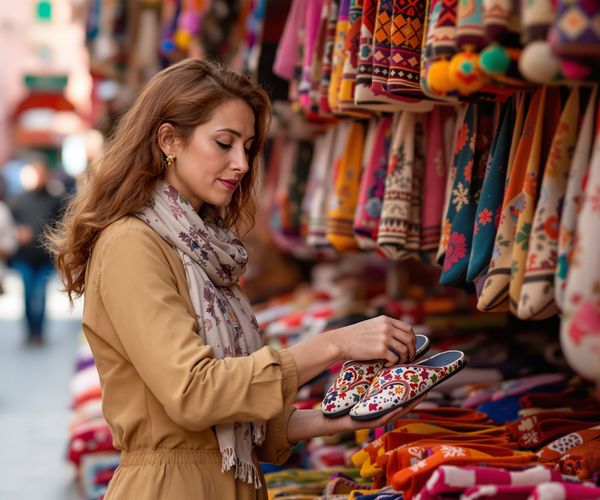
Cultural immersion can take many forms. Consider staying in a family-run guesthouse instead of a large hotel. Visit local markets and strike up conversations with the vendors. Learn a few basic phrases in the local language. Attend a traditional dance performance or a religious ceremony. The possibilities are endless, and the rewards are immeasurable.
Sustainable Tourism and Ethical Considerations
Slow travel isn't just about personal enrichment; it's also about responsible tourism. By traveling slowly, we can minimize our environmental impact and support local economies in a more sustainable way.
Think about it: flying less, using public transportation, and supporting local businesses all contribute to a reduced carbon footprint. Staying in locally owned accommodations and eating at family-run restaurants ensures that your money directly benefits the community, rather than lining the pockets of large corporations. Moreover, by taking the time to understand and respect local customs, we can help preserve cultural heritage and promote responsible tourism practices.
Here are a few simple tips for making sustainable choices while traveling slowly:
- Choose destinations closer to home, reducing the need for long-haul flights.
- Opt for train travel or local buses instead of renting a car.
- Stay in eco-lodges or guesthouses that prioritize sustainability.
- Eat at local restaurants that use fresh, seasonal ingredients.
- Support local artisans and craftspeople by buying souvenirs directly from them.
- Minimize waste by bringing your own reusable water bottle and shopping bag.
Personal Growth and Well-being
Beyond the cultural and environmental benefits, slow travel offers profound opportunities for personal growth and well-being. Stepping away from the pressures of daily life, slowing down the pace, and immersing ourselves in new environments can have a transformative effect on our mental and emotional state.
I've found that slow travel reduces stress, increases mindfulness, and enhances creativity. It allows me to disconnect from technology, reconnect with nature, and rediscover the simple pleasures of life. It fosters self-discovery, resilience, and adaptability. It teaches me to appreciate the beauty of imperfection and to embrace the unexpected.
During a recent trip to the Scottish Highlands, Jürgen and I spent several days hiking through the rugged landscape. We disconnected from our phones, breathed in the fresh mountain air, and marveled at the breathtaking scenery. We felt a sense of peace and tranquility that we rarely experience in our busy lives. It was a reminder that true happiness can be found in the simplest of things: a stunning view, a shared laugh, a quiet moment of reflection.
Practical Tips for Embracing Slow Travel
Ready to embrace the art of slow travel? Here are a few practical tips to get you started:
- Choose your destination wisely: Opt for a place that resonates with your interests and offers opportunities for cultural immersion and outdoor activities. Consider smaller towns or rural areas instead of bustling cities.
- Set a slower pace: Plan fewer activities and allow more time for relaxation and exploration. Don't try to cram too much into your itinerary. Remember, it's about quality over quantity.
- Prioritize experiences over sightseeing: Focus on activities that allow you to connect with locals and learn about their culture. Take a cooking class, attend a local festival, or volunteer for a community project.
- Find unique accommodations: Stay in guesthouses, farm stays, or eco-lodges instead of large hotels. These accommodations often offer a more authentic and immersive experience.
- Engage with local communities: Visit local markets, strike up conversations with the vendors, and learn a few basic phrases in the local language. Show genuine interest in their lives and culture.
- Be open to spontaneity: Don't be afraid to deviate from your itinerary and embrace the unexpected. Some of the most memorable travel experiences happen when you least expect them.
Slow travel is more than just a way to see the world; it's a way to connect with it. It's a way to enrich our lives, broaden our perspectives, and foster a deeper appreciation for the beauty and diversity of our planet. So, the next time you plan a trip, consider slowing down, embracing the journey, and discovering the art of slow travel. You might just surprise yourself with what you find.
Discover the art of slow travel and how it can transform your journeys into meaningful experiences. Learn how to embrace cultural immersion, sustainable tourism, and personal growth.