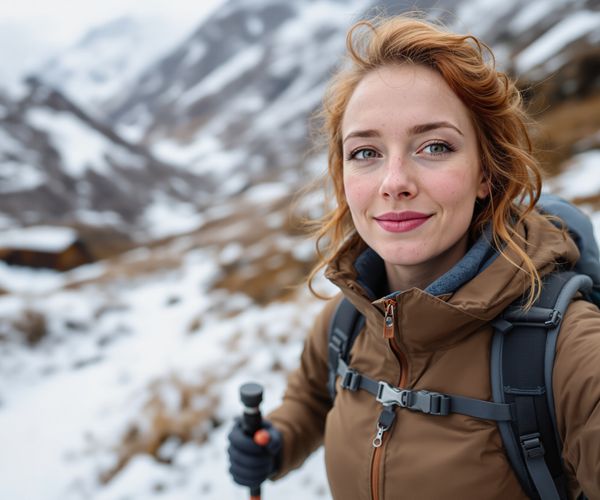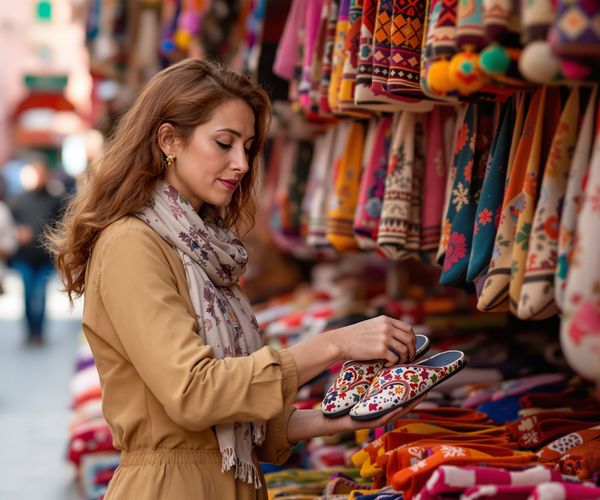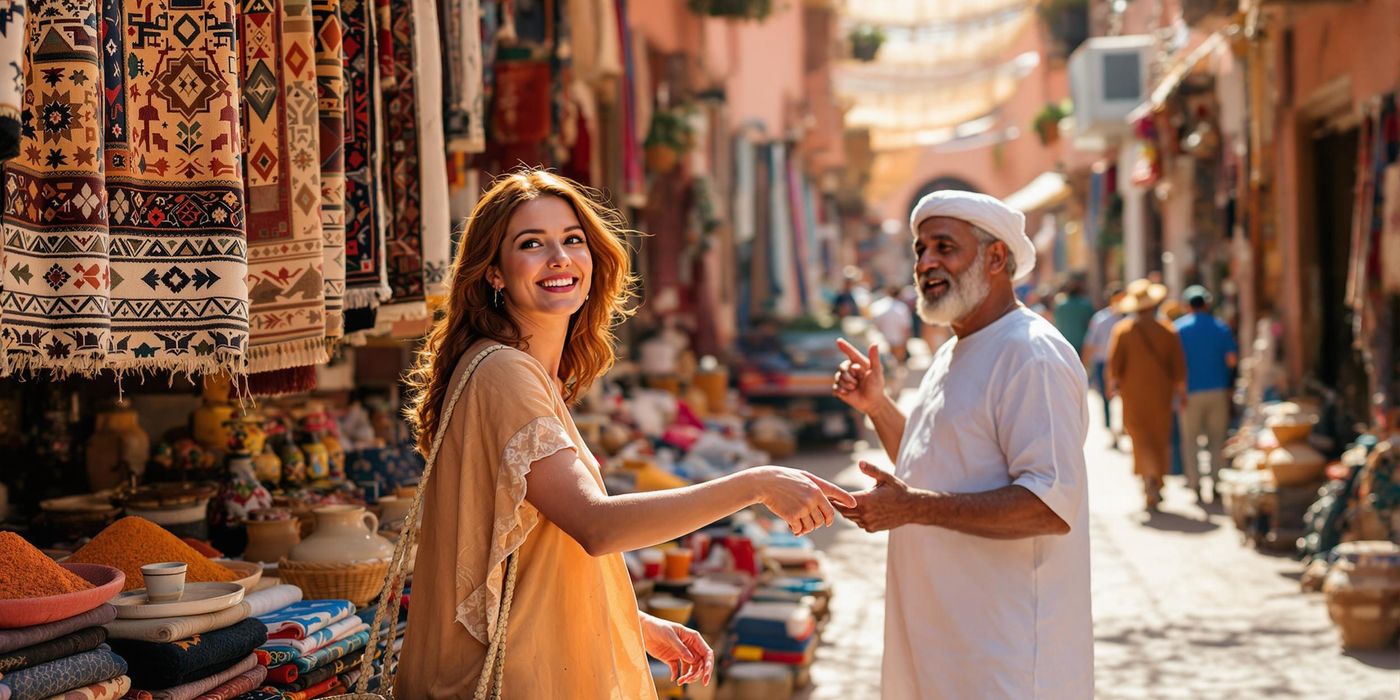
As a travel blogger, I've always believed that photography is more than just snapping pictures; it's about capturing the soul of a place. It's about freezing a moment in time, preserving the atmosphere, the history, and the culture for generations to come. Let's embark on a journey to understand how we can elevate our travel photography to truly reflect the essence of the destinations we visit.
Understanding the Essence of a Place Through Photography
When we travel, we’re not just seeing new sights; we’re experiencing a different way of life. Photography allows us to document these experiences, but more importantly, it allows us to share them with others in a way that words sometimes can’t capture. Think about the bustling markets of Marrakech, the serene temples of Kyoto, or the vibrant streets of Havana. Each place has its own unique character, its own story to tell. Our job as photographers is to find those stories and bring them to life through our images.
To truly capture the essence of a place, we need to go beyond the typical tourist shots. We need to look for the details that define its identity – the weathered faces of the locals, the intricate patterns of the architecture, the vibrant colors of the street art. These are the elements that make a place unique, and they’re what will make our photographs stand out.
Essential Techniques for Capturing Authentic Images
Now, let’s talk about some practical techniques that can help us capture more authentic images.
- Composition: Pay attention to how you frame your shot. Use leading lines, the rule of thirds, and other compositional techniques to create visually appealing images.
- Lighting: Lighting can make or break a photograph. Aim to shoot during the golden hours (sunrise and sunset) for warm, soft light. Overcast days can also be great for capturing even, diffused light.
- Timing: Patience is key in travel photography. Wait for the perfect moment – the right expression on someone’s face, the perfect ray of light illuminating a building. Sometimes, it’s worth waiting hours for that one shot.
- Angles: Don’t be afraid to experiment with different angles and perspectives. Get down low, climb up high, and see how different viewpoints can change the way you see a scene.
Respecting Culture and Etiquette in Travel Photography
One of the most important aspects of travel photography is respecting the local culture and etiquette. We are guests in these places, and it’s crucial that we act accordingly.
Always ask for permission before photographing people, especially in more traditional cultures. Be mindful of religious sites and customs, and dress appropriately. Avoid photographing people in vulnerable situations without their consent. Remember, our goal is to capture authentic moments, not to exploit or disrespect the people we encounter.
Engage with the locals. Learn a few basic phrases in their language, and show genuine interest in their lives and culture. This will not only make them more comfortable with you taking their picture, but it will also enrich your own travel experience.
Storytelling Through Images: Conveying a Narrative
Our photographs should tell a story. They should convey the emotions, the experiences, and the atmosphere of a place. Think about what story you want to tell with your images. Do you want to capture the joy of a local festival, the hardship of daily life in a developing country, or the beauty of a natural landscape?
Use details and symbolism to add depth and meaning to your photographs. A weathered door can tell a story of history and resilience. A child’s smile can convey hope and optimism. A vibrant sunset can evoke a sense of wonder and awe. Look for these elements and use them to create a visual narrative that engages viewers and evokes a sense of place.
Sustainable and Responsible Travel Photography
As travel photographers, we have a responsibility to minimize our impact on the environment and local communities. Sustainable travel photography is about making conscious choices that benefit both the planet and the people we encounter.
Use sustainable gear whenever possible. Support local businesses and artisans. Respect wildlife and their habitats. Be mindful of your actions and choices, and strive to leave a positive impact on the places you visit. Avoid single-use plastics, and dispose of your waste responsibly. Educate yourself about the environmental and social issues facing the destinations you visit, and use your photography to raise awareness and promote positive change.
Consider the ethics of photographing vulnerable populations and sensitive environments. Avoid exploiting or sensationalizing their stories. Instead, focus on capturing their dignity and resilience. Work with local organizations to ensure that your photography benefits the communities you are documenting.
Analyzing Iconic Travel Photographs
Let's take a look at some iconic travel photographs and analyze what makes them so effective.
Consider Steve McCurry's Afghan Girl. The piercing gaze of the young girl, the vibrant colors of her shawl, and the raw emotion in her eyes all combine to create a powerful and unforgettable image. The composition is simple yet effective, drawing the viewer's attention directly to the subject's face. The lighting is soft and natural, enhancing the mood and atmosphere of the photograph.
Or think about Henri Cartier-Bresson's Behind the Gare Saint-Lazare. The photograph captures a fleeting moment of perfect timing, as a man leaps over a puddle, his reflection mirroring his movements. The composition is dynamic and engaging, drawing the viewer's eye from the foreground to the background. The use of light and shadow adds depth and dimension to the image.
These iconic photographs teach us valuable lessons about composition, lighting, storytelling, and cultural sensitivity. They inspire us to see the world in new ways and to capture the essence of a place through our own unique vision.
Elevate your travel photography to capture the true essence of a place. Learn techniques, respect cultures, and tell stories through your images.