The aroma of spices, the vibrant colors of fresh produce, and the stories behind each dish – food has always been more than just sustenance for me. It's a bridge between cultures, a conversation starter, and a memory maker. My journey from the tea-laden hills of Sri Lanka to the charming streets of Heidelberg, Germany, has been a culinary adventure, one where I've learned to blend the best of both worlds on my plate.
Embracing Culinary Fusion: A Personal Journey
Growing up in Gampola, Sri Lanka, my world revolved around the rich flavors of Ceylon tea, fragrant spices, and the comforting warmth of traditional dishes. My grandmother, a culinary wizard, taught me the secrets of balancing sweet, sour, spicy, and savory. Moving to Heidelberg presented a new landscape, not just geographically but also gastronomically. Suddenly, I was surrounded by hearty German fare – sausages, potatoes, and an array of breads I'd never seen before.
Initially, it was a challenge. I missed the familiar tastes of home. But I'm not one to shy away from a challenge, especially when it involves food! So, I started experimenting, tentatively at first, then with increasing confidence. I began blending Sri Lankan spices into German recipes and vice versa. The results? Sometimes disastrous, often delightful, and always a learning experience. What I quickly realized was the importance of respecting the origins of each cuisine. Fusion isn't about carelessly throwing ingredients together; it's about understanding the nuances of each flavor profile and creating something that honors both traditions.
Fusion Recipes: Sri Lankan Flair with German Ingredients
Let me share a couple of my favorite fusion recipes that have become staples in our home:
- Currywurst Spiced with Seeni Sambal: A German classic gets a Sri Lankan kick! I prepare the currywurst as usual, but instead of the traditional curry ketchup, I top it with a homemade seeni sambal. The sweet and spicy onion relish adds a delightful complexity that complements the savory sausage perfectly.
Ingredients: Currywurst, Seeni Sambal (onions, sugar, chili flakes, cinnamon, cardamom, cloves, salt, vinegar).
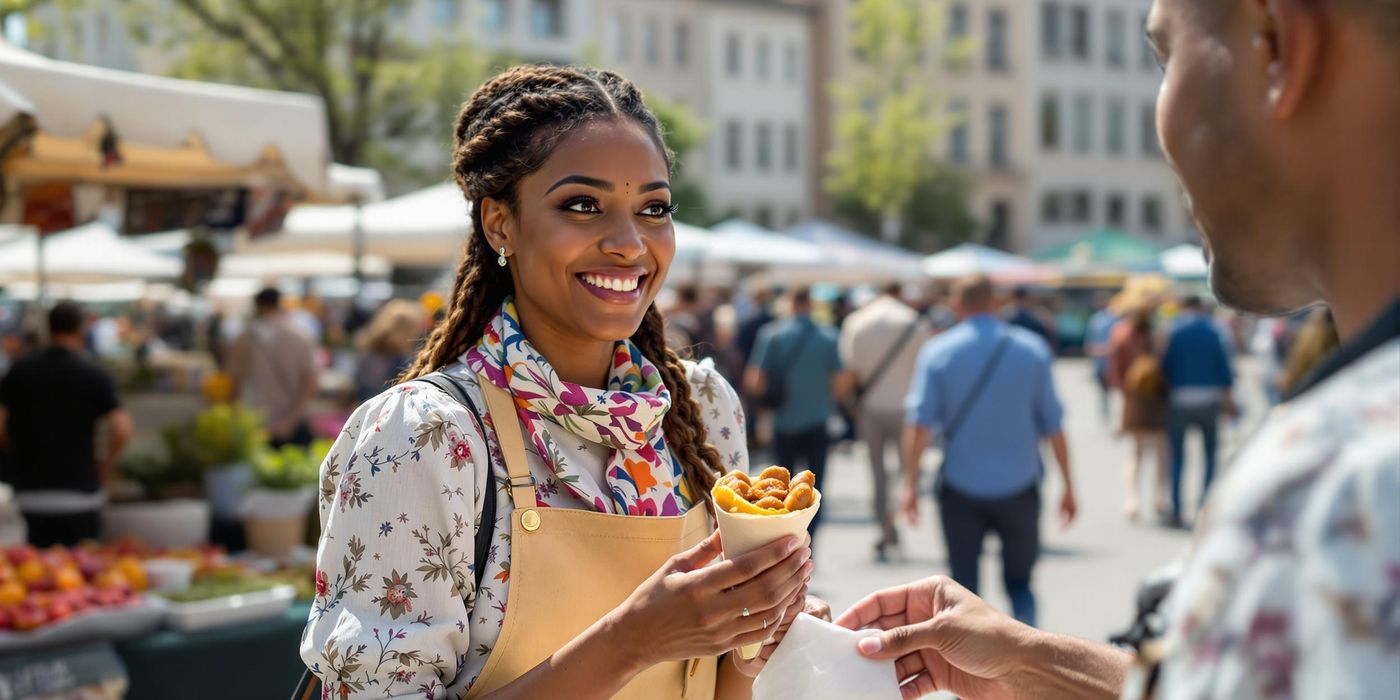
Instructions: Prepare currywurst according to your preferred method. Top generously with Seeni Sambal. Serve hot. This recipe reminds me of my early days in Heidelberg, when I was desperately craving the flavors of home. One day, while at the Wochenmarkt, I was inspired to combine the local Currywurst with Seeni Sambal. - German Herb-Infused Sri Lankan Curry: I love using fresh German herbs like parsley, chives, and dill in my Sri Lankan curries. It adds a surprising freshness and brightness to the dish. For example, adding a handful of chopped parsley to a dhal curry elevates the flavor and makes it even more vibrant.
Ingredients: Your favorite Sri Lankan curry recipe, fresh German herbs (parsley, chives, dill), coconut milk, spices.
Instructions: Prepare your curry as usual. In the last 10 minutes of cooking, stir in a generous handful of chopped fresh herbs. Serve with rice or roti. My husband, Maximilian, loves this dish. He says the German herbs add a certain lightness that he doesn't find in traditional Sri Lankan curries.
Exploring Local Markets: Heidelberg as a Culinary Playground
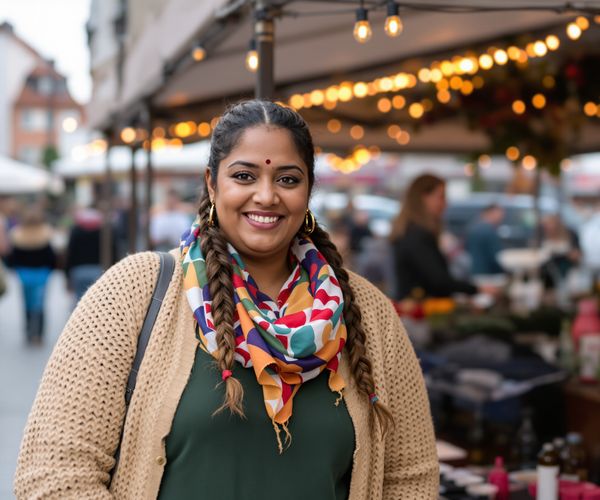
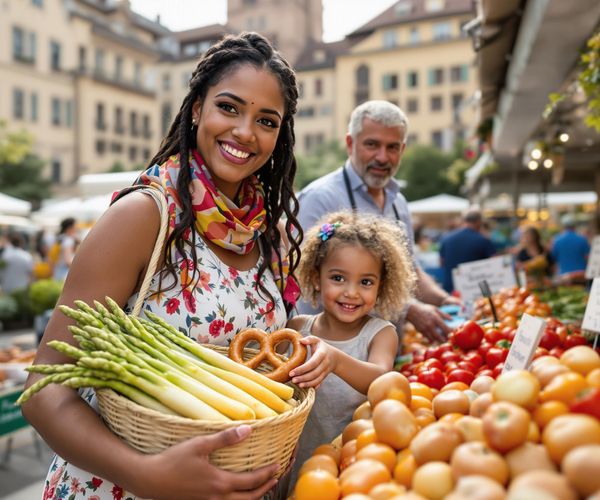
One of my favorite things to do in Heidelberg is to visit the local farmers' markets, or Wochenmarkt. These markets are a treasure trove of fresh, seasonal ingredients. From plump tomatoes in the summer to earthy root vegetables in the winter, there's always something new to discover. It's also a fantastic opportunity to interact with local vendors, learn about regional specialties, and even pick up a few cooking tips. Don't be afraid to ask questions! Most vendors are more than happy to share their knowledge and passion for food. I've learned so much about German cuisine simply by chatting with the people who grow and sell the ingredients.
Tips for Experimenting: Creating Your Own Fusion Dishes
Ready to embark on your own culinary fusion adventure? Here are a few tips to get you started:
- Start Small: Don't try to overhaul an entire recipe at once. Begin by adding a single ingredient from another cuisine to a dish you already know well.
- Do Your Research: Learn about the flavor profiles of different cuisines. Understand which ingredients and spices are commonly used and how they interact with each other.
- Be Bold: Don't be afraid to experiment! Some of the best culinary creations come from unexpected combinations.
- Taste as You Go: Regularly taste your dish as you're cooking and adjust the seasonings as needed. This will help you achieve the perfect balance of flavors.
- Document Your Experiments: Keep a record of your recipes and the results. This will help you learn from your mistakes and refine your successes.
The Cultural Exchange: Food as a Medium
For me, food is more than just a hobby; it's a powerful tool for cultural exchange. Sharing a meal is a universal way to connect with people from different backgrounds, break down barriers, and foster understanding. I've used food to connect with my German neighbors, introducing them to the vibrant flavors of Sri Lanka and learning about their culinary traditions in return. My daughter, Amara, is growing up with a unique appreciation for both cultures, thanks to the fusion cuisine we enjoy at home. Food has the incredible ability to transport us to different places, evoke memories, and create new experiences. So, the next time you travel, don't just see the sights – taste the culture! Explore local markets, try new dishes, and engage with the people who create the food. You might be surprised at what you discover.
Explore the fusion of Sri Lankan and German cuisines with Nayana, a software developer in Heidelberg. Discover unique recipes and tips for blending cultures through food.