Traveling the world doesn't have to cost the Earth – literally! As a Sri Lankan expat living in Germany, I've always been passionate about exploring new cultures and creating lasting memories with my family. But I also believe in traveling responsibly, minimizing our impact on the environment, and supporting local communities. It's a common misconception that sustainable travel is expensive, but I'm here to tell you that it's entirely possible to be eco-conscious without breaking the bank. In fact, many budget-friendly options often align perfectly with eco-friendly practices!
Affordable Accommodation: Eco-Lodges, Hostels, and Home-Sharing
One of the biggest expenses when traveling is often accommodation. But there are plenty of budget-friendly and green options out there! Consider staying in eco-lodges, which are designed to minimize their environmental impact. Hostels are another great option, not only for their affordability but also for the opportunity to meet other travelers and share experiences. Guesthouses and farm stays can also provide a more authentic and sustainable travel experience.
Platforms like Hostelworld and Booking.com often have filters that allow you to search for sustainable accommodations. Look for accommodations with green certifications like Green Seal, LEED, or EarthCheck. These certifications indicate that the property has met certain environmental standards.
Remember, smaller properties generally have a lower energy consumption than large hotels. By choosing smaller, locally-owned accommodations, you're not only saving money but also supporting the local economy and reducing your carbon footprint.
Sustainable Transportation: Getting Around on a Budget
Transportation is another area where you can make a big impact on both your wallet and the environment. Opt for public transportation whenever possible. Buses, trains, and metros are generally much more affordable and sustainable than renting a car or taking taxis. Cities like Tokyo have incredibly efficient and extensive public transport systems, making it easy to get around without a car.
Don't underestimate the power of your own two feet! Walking and biking are fantastic ways to explore a new city while getting some exercise and reducing your carbon footprint. If you need to travel longer distances, consider carpooling with other travelers.
If you do need to rent a car, look into renting a hybrid or electric vehicle. While they may be slightly more expensive upfront, they can save you money on gas and reduce your emissions.
Finally, embrace the concept of slow travel. Instead of trying to cram as many destinations as possible into a short period, take your time and explore a smaller area more deeply. This not only reduces your carbon footprint but also allows you to connect with the local culture and environment in a more meaningful way.
Minimize Waste: Smart Packing and Reusable Essentials
Reducing waste is a crucial aspect of eco-conscious travel. Start by packing light. The less you pack, the less fuel your plane or car will consume. Plus, it's just easier to travel with less stuff!
Always bring reusable water bottles, shopping bags, and utensils to avoid single-use plastics. Refillable containers for toiletries are also a great way to reduce waste. When shopping, try to buy local products and support businesses that prioritize sustainability. Look for bulk stores where you can buy items without packaging.
Eating Local: Supporting Communities and Reducing Food Miles
One of my favorite parts of traveling is trying new cuisines! Eating at local restaurants and street food stalls is a great way to support local communities and experience the authentic flavors of a place. Visiting local farmers' markets is another fantastic way to connect with local producers and find fresh, seasonal ingredients.
Eating local reduces the carbon footprint associated with food transport. The further your food has to travel, the more emissions are generated. If you have access to a kitchen, consider visiting local supermarkets and cooking your own meals. This can be a fun way to learn about local ingredients and save money on dining out.
Free and Low-Cost Activities: Immersing Yourself in Culture Sustainably
You don't have to spend a lot of money to have a meaningful travel experience. There are plenty of free activities to enjoy, such as visiting parks, churches, libraries, and street markets. Seek out free or low-cost cultural activities, like attending local festivals or visiting community centers.
Consider volunteering in exchange for accommodation or meals. This is a great way to give back to the community and learn new skills. When interacting with nature, always be respectful and avoid disturbing the local flora and fauna.
Nayana's Tips: Personal Budgeting and Eco-Friendly Travel Hacks
Over the years, I've developed a few personal budgeting and eco-friendly travel hacks that have helped me explore the world without breaking the bank or harming the environment. One of my favorite things to do is cook Sri Lankan dishes with German ingredients while camping. It's a fun way to combine my cultural heritage with my love of the outdoors.
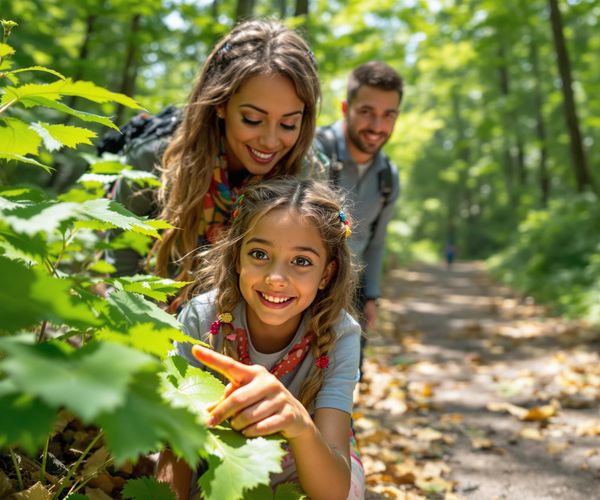
I also involve my daughter, Amara, in sustainable travel practices. We talk about the importance of reducing waste and conserving energy, and she helps me choose eco-friendly activities. For example, when we visited the Black Forest, we opted to hike and bike instead of taking a tour bus. It was a great way to connect with nature and get some exercise while minimizing our impact on the environment.
Resources for the Eco-Conscious Traveler
There are many resources available to help you plan your eco-conscious travels. Websites like Green Global Travel and Sustainable Travel International offer valuable information and tips. Look for organizations like the Global Sustainable Tourism Council (GSTC) that promote sustainable tourism practices.
Use resources like Bookdifferent and Ecobnb for finding eco-friendly lodging and tour operators. Watch documentaries like Before the Flood and follow social media accounts like @SustainableTravel to stay informed and inspired.
Consider carbon offsetting to reduce your carbon footprint. There are many reputable organizations that offer carbon offsetting programs. Remember, every little bit helps! By making small changes to your travel habits, you can make a big difference in the world.
Discover how to travel sustainably without breaking the bank. Learn eco-friendly tips from Nayana's experiences, blending cultural immersion with budget-conscious choices.