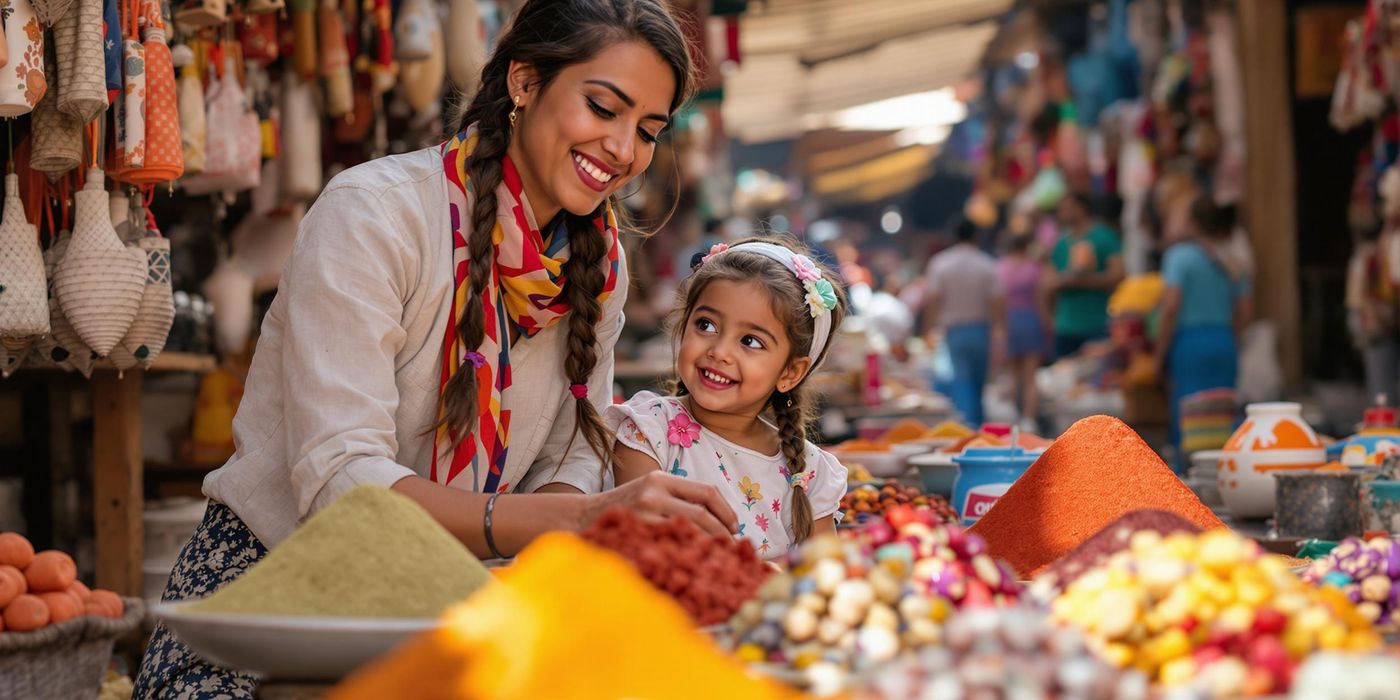
Traveling with family offers an incredible opportunity to broaden horizons, especially for our children. As a Sri Lankan expat living in Germany, I've always felt it's crucial to expose my daughter, Amara, to diverse cultures from a young age. It's not just about seeing new places; it's about fostering empathy, understanding, and a lifelong appreciation for the world around us. Here’s how we make cultural immersion a fun and enriching part of our family adventures.
Why Early Cultural Exposure Matters
One of the most rewarding aspects of traveling with Amara has been witnessing her growth in understanding and acceptance. Exposing children to different cultures early on cultivates empathy, open-mindedness, and a broader worldview. I've noticed how travel has made Amara more adaptable and creative. She approaches new situations with curiosity rather than hesitation, a trait I believe is invaluable in today's interconnected world.
From observing children interact in bustling markets in Marrakech to participating in traditional dance workshops in Kyoto, Amara has learned that the world is full of fascinating differences. She is learning that these differences are to be celebrated. Research supports this too; studies show that children who travel are more culturally aware and demonstrate greater adaptability and creativity. These experiences have shaped her into a more compassionate and understanding young global citizen.
Pre-Trip Preparation: Laying the Groundwork
The journey of cultural exploration begins long before we pack our suitcases. Pre-trip preparation is key to maximizing cultural learning. Before any trip, we dive into research together. This involves age-appropriate activities like reading books set in our destination, watching documentaries, and exploring maps and globes. For instance, before our trip to Japan, we read children’s books about Japanese folklore and watched videos about origami. This sparked Amara's interest and made her eager to learn more.
Learning basic phrases in the local language is another essential step. Even knowing a few simple greetings can facilitate interaction and show respect. Amara loves practicing new words and phrases, and it always brings smiles and warm welcomes from locals. Involving children in the planning process is also crucial. Let them choose activities or destinations that interest them. This helps them feel more engaged and excited about the trip. Amara often helps choose which museums to visit or which local dishes to try, giving her a sense of ownership over our adventures.
Making Learning Fun: Engaging Activities On the Road
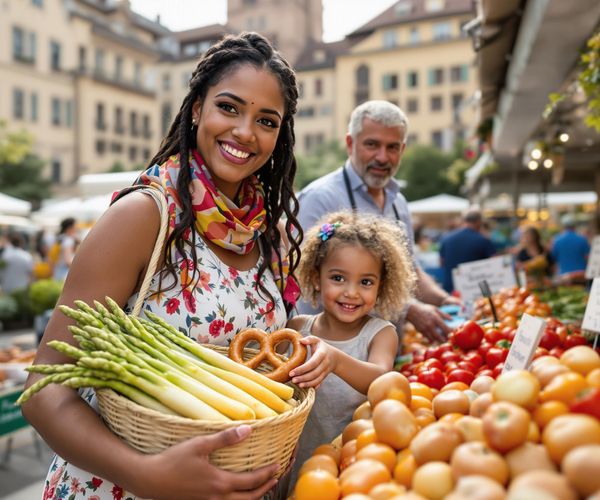
Once we arrive at our destination, the real fun begins! Engaging in interactive activities makes cultural learning enjoyable for kids. Food is a fantastic cultural connector. We always make it a point to try local dishes, visit food markets, and even take cooking classes. In Italy, Amara learned how to make pasta from scratch, and in Thailand, she helped prepare Pad Thai. These hands-on experiences not only teach her about different cuisines but also about the people and traditions behind them.
Incorporating music, dance, and art into the travel experience is another wonderful way to immerse children in a new culture. Attending cultural performances or participating in local art projects can be incredibly enriching. We once attended a traditional Sri Lankan dance performance, and Amara was mesmerized by the colorful costumes and rhythmic music. We also participated in a pottery workshop in Mexico, where Amara learned about the history and techniques of local artisans.
Visiting museums, historical sites, and cultural centers is a must, but it’s important to look for interactive exhibits designed for children. Many museums now offer engaging programs that make learning fun and accessible for kids. Exploring traditional games from different cultures can also be a delightful way to connect with locals and learn about their heritage. Amara loves playing Mancala, an ancient game played in many African and Asian countries, which she learned during our trip to Zanzibar.
Respect and Sensitivity: Navigating Cultural Differences
Teaching children about cultural sensitivity and respect is paramount. It’s important to discuss cultural differences in a way that avoids stereotypes and promotes understanding. Before and during our travels, we talk about how people in different cultures may have different customs, traditions, and beliefs. We emphasize the importance of respecting these differences and avoiding judgment.
Ethical travel and avoiding cultural appropriation are also important topics to address. We discuss the importance of supporting local businesses, respecting local customs, and avoiding activities that exploit or disrespect local cultures. Encouraging children to ask thoughtful questions and engage with locals in a respectful manner can foster meaningful connections and deeper understanding. Amara has learned to approach new situations with curiosity and a genuine desire to learn, which has opened doors to many enriching experiences.
Creating Lasting Memories: Reflecting on the Experience
The learning doesn’t end when the trip is over. Helping children reflect on their cultural experiences after the trip can solidify what they’ve learned and deepen their appreciation for cultural diversity. Keeping a travel journal is a great way for children to document their experiences and reflect on what they’ve learned. Amara loves drawing pictures and writing about her favorite moments from our trips. Creating a scrapbook or sharing stories with friends and family are other excellent ways to help children internalize their experiences.
These reflections can help children develop a deeper understanding and appreciation for cultural diversity. I remember after our trip to India, Amara organized a presentation for her class, sharing photos, stories, and even some traditional Indian snacks. It was heartwarming to see her enthusiasm and the positive impact she had on her classmates. Through our travels, Amara has not only learned about different cultures but has also developed a sense of responsibility and a desire to make a positive impact on the world. These are lessons that will stay with her for a lifetime.
Traveling with family offers an incredible opportunity to broaden horizons, especially for our children. As a Sri Lankan expat living in Germany, I've always felt it's crucial to expose my daughter, Amara, to diverse cultures from a young age.