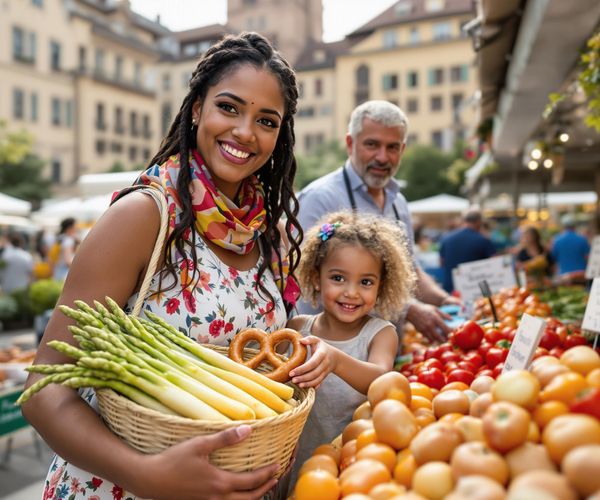
As a software developer by day and a passionate photographer by heart, I've always found travel to be the perfect blend of exploration and creative expression. My journey from the tea-laden hills of Gampola, Sri Lanka, to the charming streets of Heidelberg, Germany, has instilled in me a deep appreciation for cultural nuances. Through my lens, I strive to capture the essence of each culture I encounter, not just as a tourist, but as a respectful observer. Here are some tips I've gathered over the years for capturing those authentic cultural moments.
Embracing Cultural Sensitivity in Photography
Before you even think about framing a shot, it's crucial to do your homework. Understanding the cultural norms and traditions of a place is paramount. What might be perfectly acceptable in one culture could be deeply offensive in another. For instance, in some cultures, photographing people without their permission is considered rude, while in others, it's seen as a form of appreciation. Researching beforehand can save you from unintentional faux pas and ensure a respectful interaction with the local community. Websites like UNESCO and local tourism boards often provide invaluable insights into cultural etiquette.
Being aware of local customs extends beyond just knowing what's allowed. It's about understanding the significance behind certain rituals, ceremonies, or even everyday activities. Observing how locals interact with each other, what they wear, and how they conduct themselves can provide valuable clues. This awareness not only enriches your photography but also deepens your understanding of the culture itself.
Consider the cultural differences in photography permissions and practices. In some religious sites, photography might be restricted altogether, while in others, a small donation might be expected. In certain communities, elders or individuals holding specific roles may require special permission before being photographed. Always err on the side of caution and seek guidance from local guides or community leaders if you're unsure.
Building Connections and Seeking Consent
One of the most rewarding aspects of cultural photography is the opportunity to connect with people. Approaching individuals with respect and genuine curiosity can transform a simple photograph into a meaningful exchange. Start by learning a few basic phrases in the local language, such as hello, thank you, and may I take your picture? A smile and a friendly gesture can go a long way in breaking down barriers.
Communication is key, but it's not always about verbal exchange. Sometimes, a simple nod, a warm smile, or a gesture of respect can convey your intentions. Building rapport before taking pictures involves showing genuine interest in the person and their story. Ask them about their life, their traditions, or their craft. People are often more willing to share their image if they feel seen and valued.
Language barriers can be challenging, but they shouldn't deter you from seeking consent. Use visual aids, such as pointing to your camera and then to them, accompanied by a questioning look. Enlist the help of a translator if possible. Remember, the goal is to ensure that the person understands your intentions and feels comfortable with being photographed.
Consent is non-negotiable. If someone declines your request, respect their decision without hesitation. A refusal is not a personal rejection but rather an expression of their comfort level. Thank them for their time and move on. There are always other stories to capture and other moments to cherish.
Composition and Storytelling
Composition is the art of arranging elements within your frame to create a visually compelling image. In cultural photography, it's about using these techniques to tell a story. Consider how lines, shapes, colors, and textures can convey the essence of a culture. For example, the vibrant colors of a Holi festival in India or the intricate patterns of a Balinese batik can speak volumes about the culture's artistic expression.
Focusing on details is a powerful way to capture the essence of a culture. Zoom in on the weathered hands of a craftsman, the delicate embroidery on a traditional garment, or the intricate carvings on an ancient temple. These small details often reveal more about a culture than sweeping panoramic shots.
Candid moments are often the most authentic. Capture people in their natural environment, going about their daily lives. Whether it's a group of women chatting at a market in Marrakech or a family sharing a meal in a Hanoi street food stall, these unscripted moments offer a glimpse into the true fabric of a culture.
Avoid stereotypes and cliches in your cultural representation. Seek out unique perspectives and challenge preconceived notions. Instead of focusing on the exotic or the sensational, look for the universal human experiences that connect us all. Show the resilience, the joy, and the everyday beauty of the culture you're capturing.
Technical Aspects of Cultural Photography
Choosing the right equipment is crucial for capturing cultural moments effectively. A versatile zoom lens, such as a 24-70mm or a 24-105mm, is ideal for capturing both wide-angle scenes and close-up portraits. A prime lens, like a 35mm or a 50mm, can be great for street photography and creating a shallow depth of field. Consider bringing a lightweight tripod for low-light situations and a polarizing filter to reduce glare and enhance colors.
Natural light is your best friend in cultural photography. It can enhance the details and textures of a scene, creating a more authentic and immersive feel. Pay attention to the time of day and how the light interacts with your subject. Golden hour, the hour after sunrise and before sunset, often provides the most flattering and warm light.
Adjusting your camera settings is essential for capturing the mood and atmosphere of a cultural event. Use a wide aperture (e.g., f/2.8 or f/4) to create a shallow depth of field and isolate your subject. Increase your ISO to compensate for low-light conditions, but be mindful of noise. Experiment with different white balance settings to accurately capture the colors of the scene.
Photographing festivals and cultural events can be challenging but incredibly rewarding. Arrive early to scout the location and identify potential shooting spots. Be mindful of your surroundings and avoid obstructing the view of others. Capture the energy and excitement of the event by using a fast shutter speed to freeze the action. Don't be afraid to get close and immerse yourself in the experience.
Ethical Considerations and Responsible Photography
Avoiding exploitation is paramount in ethical photography. Never take advantage of vulnerable individuals or situations for the sake of a compelling image. Respect the dignity of your subjects and avoid portraying them in a demeaning or stereotypical way. If you're photographing individuals in difficult circumstances, consider donating to a local charity or organization that supports their community.
Ensuring fair representation is crucial for avoiding the perpetuation of stereotypes. Challenge your own biases and assumptions about the culture you're photographing. Seek out diverse perspectives and stories that reflect the complexity and richness of the culture. Avoid sensationalizing or exoticizing the culture for the sake of attracting attention.
Consider the impact of your photography on local communities and environments. Be mindful of your footprint and avoid disrupting the natural environment or cultural sites. Support local businesses and initiatives that promote sustainable tourism. Educate yourself about the challenges facing the community and use your photography to raise awareness and advocate for positive change.
Promoting cultural exchange through photography is a powerful way to foster understanding and empathy. Share your images and stories with the world, but do so in a way that respects the culture and its people. Use your platform to amplify the voices of local communities and to challenge stereotypes and misconceptions. By sharing our experiences and perspectives, we can build bridges and create a more interconnected and understanding world.
Enhance your travel photography skills with tips on capturing cultural moments, inspired by Nayana's passion for photography. Tips for engaging with locals, understanding cultural contexts, and technical photography advice.