As a Sri Lankan now living in Germany, I've always been deeply aware of the interconnectedness of our world. Travel, for me, isn't just about seeing new places; it's about understanding them, respecting them, and leaving them better than I found them. Join me as I share my insights on how we can all travel more sustainably, making a positive impact on the environment and the communities we visit.
Understanding Sustainable Travel
Sustainable travel, at its heart, is about making conscious choices that minimize our negative impact and maximize the positive contributions we make during our journeys. It's about protecting the environment, supporting local economies, and respecting the cultural heritage of the places we visit. For me, it's a way to ensure that future generations can also experience the beauty and wonder of our planet.
Why is this so important? Well, traditional tourism can often strain resources, contribute to pollution, and even disrupt local cultures. By embracing eco-friendly travel, we can reduce our carbon footprint, support local businesses, and foster a deeper connection with the people and places we encounter. From my experiences, the benefits are two-fold: the planet thrives, and we, as travelers, gain a richer, more meaningful experience.
Reducing Your Carbon Footprint
One of the biggest impacts we have while traveling is our carbon footprint. But there are many ways to minimize this! Choosing sustainable transportation is a great start. Instead of always flying, consider trains or buses, especially for shorter distances. They often offer scenic routes and a chance to connect with the local landscape in a way that flying simply can't.
When flying is necessary, opt for direct flights whenever possible. Takeoffs and landings consume a significant amount of fuel, so direct routes reduce overall emissions. I know it's not always feasible, but it’s worth considering!
Another option is to offset your carbon emissions through reputable programs. These programs invest in projects that reduce greenhouse gases, such as renewable energy or reforestation. I personally use a carbon offsetting program that supports community-based conservation efforts. Do your research to find a program that aligns with your values.
Supporting Local Communities
One of the most rewarding aspects of sustainable travel is the opportunity to support local communities. Choosing locally-owned accommodations, like guesthouses or family-run hotels, ensures that your money directly benefits the people who live there. These places often offer a more authentic experience, allowing you to immerse yourself in the local culture.
Similarly, eating at local restaurants and buying souvenirs from local artisans is a fantastic way to support the local economy. Skip the chain restaurants and souvenir shops selling mass-produced trinkets. Instead, seek out small, family-run establishments that offer traditional cuisine and handcrafted goods.
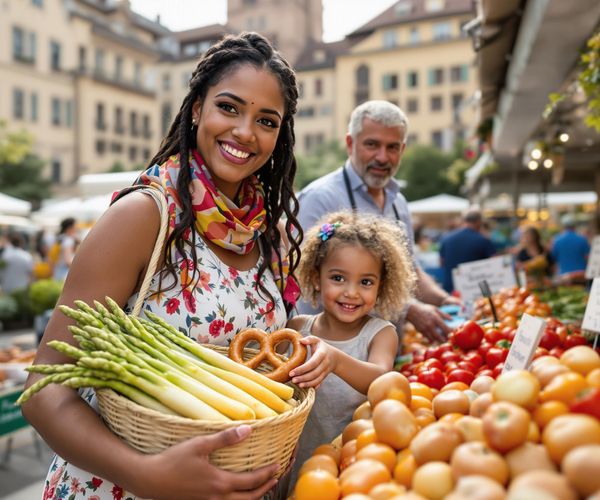
In Heidelberg, I love visiting the farmers' markets. It's a wonderful way to connect with local farmers and producers, sample fresh, seasonal produce, and support sustainable agriculture. This practice translates beautifully to sustainable travel anywhere in the world. Seek out local markets, talk to the vendors, and learn about the region's culinary traditions.
Conserving Resources and Reducing Waste
Reducing waste is a crucial aspect of sustainable travel. One of the easiest ways to make a difference is to minimize your use of single-use plastics. Pack reusable water bottles, shopping bags, and food containers. Refuse plastic straws and cutlery whenever possible.
Conserving water and energy is also essential. Take shorter showers, turn off lights and appliances when you leave your accommodation, and be mindful of your water usage. Every little bit helps!
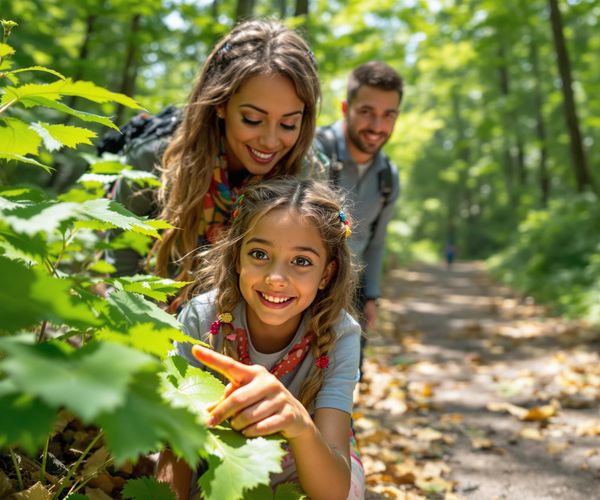
The Leave No Trace principles are something I always try to follow. It’s about minimizing your impact on the environment by packing out everything you pack in, staying on marked trails, and avoiding disturbing wildlife. When traveling with Amara, I try to instill these principles in her, teaching her the importance of respecting nature and preserving it for future generations.
Engaging in Cultural Exchange
For me, travel is about more than just seeing the sights; it's about connecting with people and learning about different cultures. Respecting local customs and traditions is paramount. Before you visit a new place, take the time to learn about its culture, history, and social norms. Dress respectfully, be mindful of your behavior, and avoid making assumptions or judgments.
Engage with locals, ask questions, and be open to new experiences. Learning a few basic phrases in the local language can go a long way in showing respect and building connections. And remember, a smile and a genuine interest in others can bridge cultural divides.
Growing up in Sri Lanka and now living in Germany has given me a unique perspective on cultural exchange. I try to blend elements of both cultures into my daily life, from cooking Sri Lankan dishes with German ingredients to celebrating both Sinhala and Tamil New Year and Christmas. This enriches my life and broadens my understanding of the world, and it's something I strive to bring to my travels as well.
Explore sustainable travel practices to minimize environmental impact and support local communities, inspired by Nayana's eco-conscious habits.