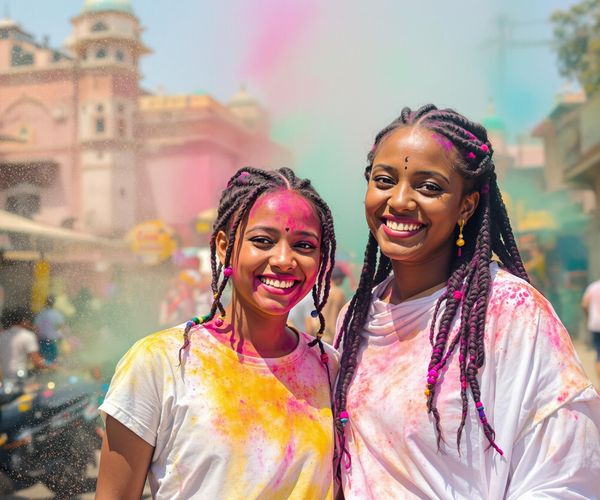
As a Senegalese woman living in Germany, I've always been drawn to the power of photography to bridge cultural divides. It's a universal language that allows us to share stories, preserve memories, and foster understanding. Over the years, I've learned that capturing authentic cultural moments requires more than just technical skill; it demands respect, empathy, and a genuine desire to connect with the people and places you're photographing. Join me as I share my insights and experiences on how to approach travel photography with sensitivity and authenticity.
The Essence of Cultural Photography
Cultural photography, at its heart, is about capturing the soul of a place and its people. It's about documenting traditions, lifestyles, and the unique spirit that defines a community. It goes beyond simply taking pretty pictures; it's about telling stories that resonate with truth and respect. Cultural sensitivity is paramount. We must avoid perpetuating stereotypes and be mindful of local customs. A photograph can reinforce harmful cliches, or it can challenge them. The choice is ours.
My personal philosophy is simple: blend in as much as possible. Observe before you shoot. Engage with your surroundings. The more you immerse yourself, the more authentic your photographs will be. It's about being a guest, not a spectacle.
Research and Preparation: Your Cultural Compass
Before you even pack your bags, do your homework. Pre-trip research is essential for understanding the cultural landscape you're about to enter. Learn about local customs, traditions, and etiquette. What is considered polite? What is taboo? Understanding these nuances will not only help you avoid unintentional offense but also enrich your photographic experience.
Learning a few basic phrases in the local language is a sign of respect. Even a simple hello or thank you can go a long way in building rapport and showing that you value the local culture. It demonstrates that you're not just there to take pictures but to connect with people on a human level.
Be aware of sensitive areas where photography might be restricted or inappropriate. This could include religious sites, government buildings, or private residences. Always err on the side of caution and seek permission when in doubt. Respecting these boundaries is crucial for maintaining trust and avoiding conflict.
The Art of Asking: Seeking Permission and Building Rapport
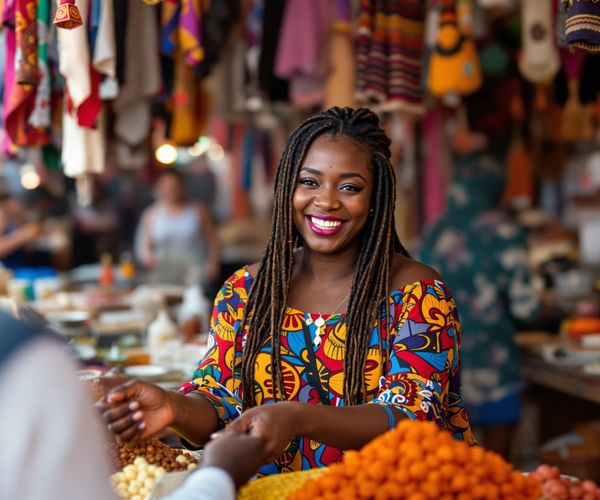
Approaching locals with respect is key to capturing genuine moments. A warm smile, direct eye contact, and a sincere explanation of your intentions can make all the difference. Let people know why you want to photograph them and what you hope to achieve with your images.
Knowing when and how to ask for permission is an art form in itself. Pay attention to verbal cues and body language. If someone seems hesitant or uncomfortable, respect their wishes. A polite request can open doors, while an aggressive approach can quickly shut them.
Remember that no means no. Not everyone wants to be photographed, and that's perfectly fine. Respecting their decision is paramount. Pushing the issue can damage your reputation and create a negative experience for everyone involved.
I once visited a remote village in Senegal where the local chief initially refused to allow any photography. Instead of getting discouraged, I spent time talking to him, learning about his community, and sharing stories about my own. After a few days, he saw that I was genuinely interested in understanding his culture, and he gave me permission to take photos. The images I captured during that visit were some of the most meaningful of my career because they were built on a foundation of trust and respect.
Composition and Storytelling: Capturing Authentic Moments
Go beyond posed shots and strive to capture candid moments that reveal the essence of daily life. These fleeting glimpses into people's routines and interactions often tell the most compelling stories. Look for genuine emotions, spontaneous gestures, and the unscripted moments that make each culture unique.
Using natural light can create evocative images without being intrusive. Avoid using flash whenever possible, as it can be disruptive and artificial. Instead, embrace the soft glow of dawn, the warm hues of sunset, and the subtle variations of light throughout the day. These natural elements can add depth and emotion to your photographs.
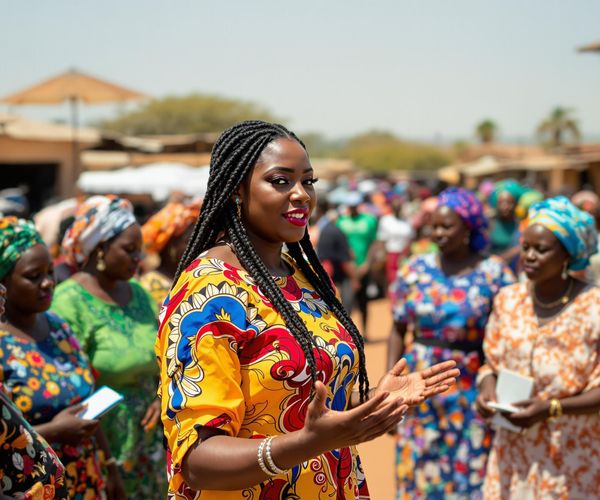
Don't overlook the power of details. Capture the texture of weathered hands, the intricate patterns of traditional clothing, and the cultural artifacts that define a place. These small elements can add layers of meaning to your images and provide a deeper understanding of the culture you're documenting.
Strive to showcase both the old and the new. Balance traditional images with the realities of modern life. Show how cultures are evolving and adapting while still preserving their unique identities. This nuanced approach provides a more complete and accurate representation of the places you visit.
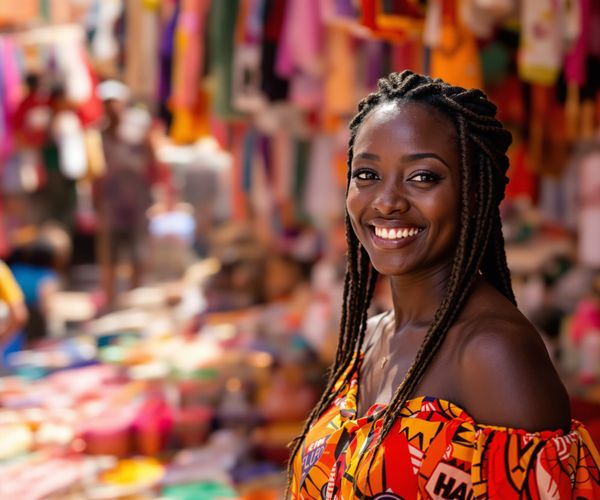
One of my favorite tips is to focus on the eyes. The eyes are the windows to the soul, and they can convey a wealth of emotions and stories. A well-composed portrait with a strong focus on the eyes can be incredibly powerful and moving.
Ethical Considerations: Giving Back and Avoiding Exploitation
Be mindful of the potential for stereotypes and strive to represent cultures accurately and respectfully. Avoid perpetuating harmful cliches or exoticizing people for the sake of a photograph. Instead, focus on capturing the humanity and dignity of your subjects.
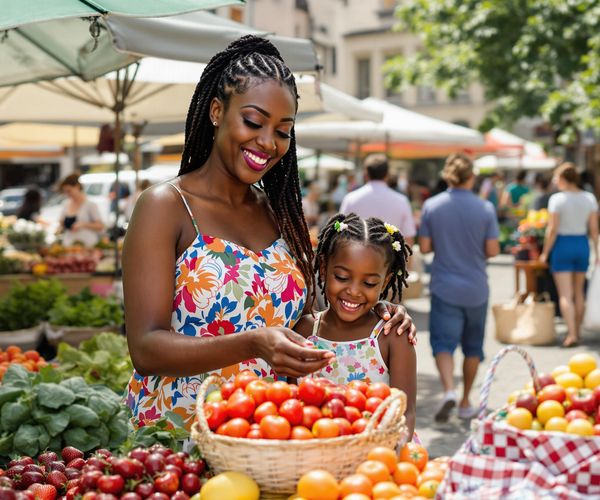
Consider giving back to the community you're photographing. This could involve buying local products, supporting local businesses, or offering prints to the people you've photographed. Small gestures of generosity can make a big difference and show that you value the culture you're documenting.
The issue of payment is a complex one. In some cultures, it's customary to offer payment for photographs, while in others it's considered inappropriate. Do your research and be sensitive to local customs. If you do offer payment, make sure it's fair and respectful.
My approach is to share my photos and stories to promote understanding and appreciation. I believe that photography can be a powerful tool for bridging cultural divides and fostering empathy. By sharing my work, I hope to inspire others to travel with an open mind and a respectful heart.
Gear and Equipment: Traveling Light and Staying Discreet
Choosing the right camera is a balancing act between quality and portability. You want a camera that can capture stunning images but won't weigh you down or attract unwanted attention. Options like the Fujifilm X-T50, Sony a6700, and Ricoh GR III offer a great combination of performance and compactness.
Essential lenses include versatile options that can handle a variety of shooting scenarios. A zoom lens with a wide range of focal lengths is ideal for capturing both landscapes and portraits. A prime lens with a fast aperture is great for low-light photography and creating shallow depth of field.
Don't forget essential accessories like filters, extra batteries, and memory cards. Filters can help protect your lenses and enhance your images, while extra batteries and memory cards will ensure that you don't run out of power or storage space at a crucial moment.
Staying discreet is crucial for capturing authentic moments. Minimize your footprint and avoid bulky equipment that can intimidate subjects. A smaller camera and a low-profile lens will help you blend in and capture more natural images.
I personally recommend a compact camera that doesn't intimidate subjects. The Ricoh GR III, for example, is small enough to fit in your pocket and quiet enough to use without drawing attention. This allows you to capture candid moments without disrupting the scene.
Post-Processing: Enhancing, Not Altering, Reality
Use post-processing tools to enhance your images without distorting the truth. The goal is to bring out the natural beauty of the scene, not to create a false representation. Subtle adjustments to exposure, contrast, and color can make a big difference without compromising authenticity.
Maintaining authenticity is key. Avoid excessive filters or manipulations that can alter the true essence of the scene. The best post-processing is often the kind that you don't even notice. The goal is to enhance the image, not to transform it into something it's not.
Color correction and sharpening are subtle adjustments that can have a big impact. Correcting color casts and sharpening details can make your images more vibrant and engaging without compromising their authenticity.
My advice is to aim for a natural look that reflects the true essence of the scene. Avoid over-processing your images or using trendy filters that will quickly become dated. Instead, focus on creating timeless images that capture the beauty and authenticity of the cultures you're documenting.
A comprehensive guide on how to take stunning travel photographs that capture the essence of different cultures and places. Share photography tips that respect cultural sensitivities.