From the vibrant rhythms of Rio's Carnaval to the colorful celebrations of Holi in India, cultural festivals have always held a special place in my heart. These events are more than just parties; they're immersive experiences that offer a window into the soul of a culture. Join me as I share my journey exploring the world's most captivating cultural festivals and the profound impact they've had on my understanding of diversity.
The Allure of Cultural Festivals: A Personal Reflection
My fascination with cultural festivals began many years ago, long before I even considered starting my travel blog on Evendo. Growing up in Koumpentoum, Senegal, I was surrounded by vibrant traditions and celebrations. However, it wasn't until I moved to Germany and started exploring festivals beyond my own culture that I truly understood their transformative power.
I remember attending a small African festival in Heidelberg shortly after moving. The music, the food, the dancing – it all transported me back home. But it also opened my eyes to the incredible diversity within the African diaspora. That experience ignited a spark, a desire to explore and witness the unique traditions of cultures around the world. I wanted to see these celebrations firsthand, not just read about them in books or watch them on TV.
Witnessing diverse traditions firsthand is a powerful experience. It's one thing to read about a custom or ritual, but it's entirely different to be present, to feel the energy, and to connect with the people who practice it. These experiences have broadened my perspective and deepened my appreciation for the richness of human culture.
Why Cultural Festivals Matter: More Than Just a Celebration
Cultural festivals are much more than just an excuse to party. They serve as vital platforms for cultural exchange and understanding. They provide opportunities for people from different backgrounds to come together, share their traditions, and learn from one another. In a world that often feels increasingly divided, these festivals offer a reminder of our shared humanity.
Beyond cultural exchange, festivals play a crucial role in preserving cultural heritage. They provide a stage for communities to showcase their traditions, ensuring that these customs are passed down to future generations. This is especially important for marginalized communities whose cultures may be at risk of being forgotten.
Moreover, cultural festivals offer significant social and economic benefits for local communities. They create jobs, boost tourism, and generate revenue that can be reinvested in local infrastructure and services. For example, the Oktoberfest in Germany attracts millions of visitors each year, providing a significant economic boost to the city of Munich.
Community participation and inclusivity are key to the success of any cultural festival. When local residents are actively involved in the planning and execution of these events, it fosters a sense of ownership and pride. This, in turn, promotes diversity and unity, creating a welcoming environment for visitors from all backgrounds.
A Tapestry of Traditions: Notable Cultural Festivals Around the World
The world is full of incredible cultural festivals, each offering a unique glimpse into the traditions and values of a particular community. Here are just a few examples that have captured my imagination:
- Carnaval in Rio de Janeiro, Brazil: This world-renowned festival is a celebration of samba music, elaborate costumes, and exuberant parades. The energy is infectious, and the atmosphere is electric. {image1}
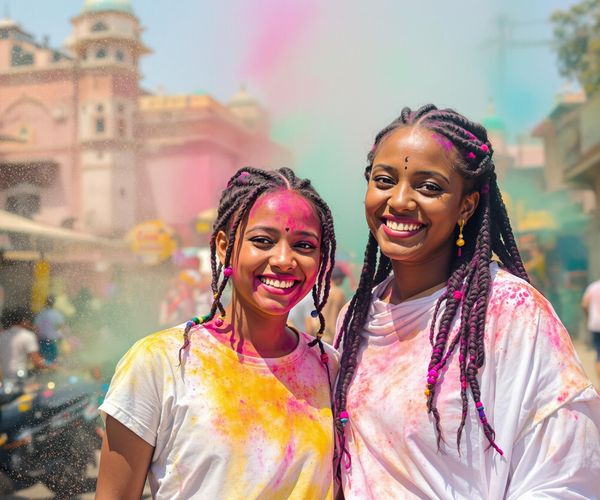
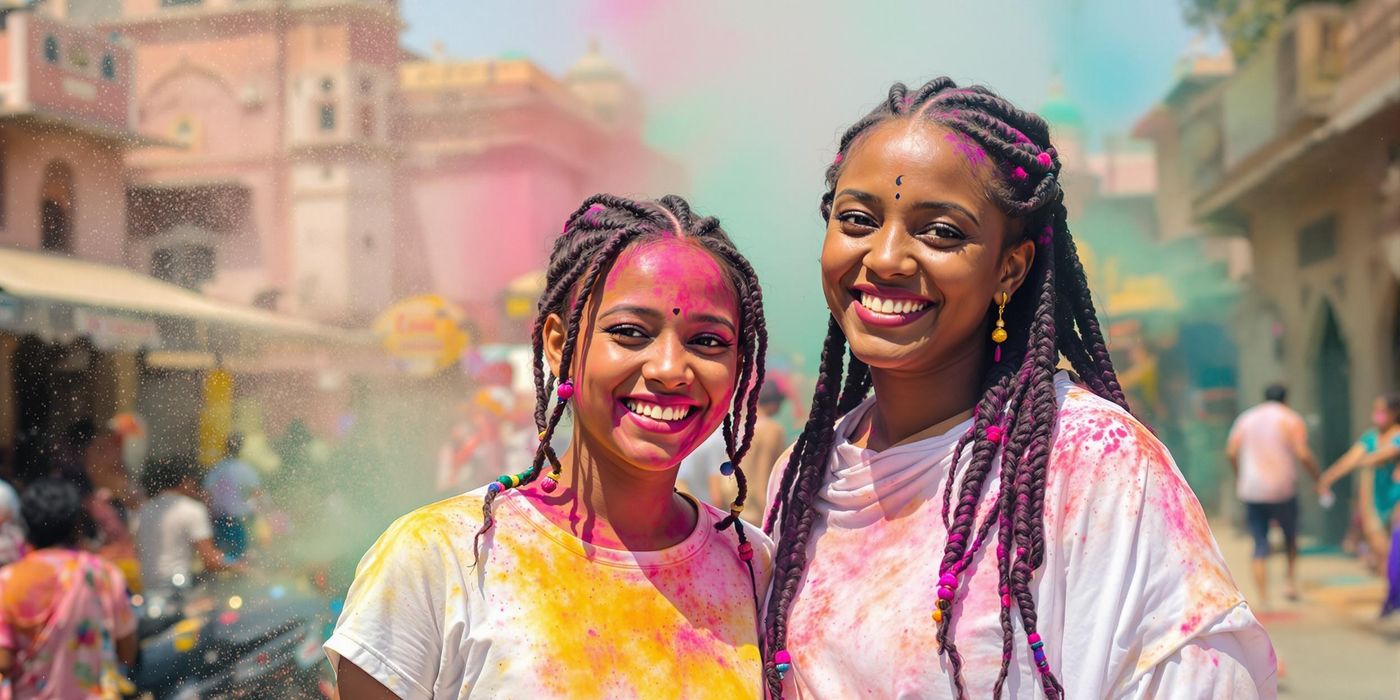
- Holi in India: Known as the festival of colors, Holi is a joyous celebration that marks the arrival of spring. Participants throw vibrant colored powders on each other, symbolizing the triumph of good over evil. {image2}
- Day of the Dead in Mexico: This unique festival is a celebration of life and remembrance of deceased loved ones. Families build altars adorned with flowers, candles, and offerings of food and drink. {image3}
- Oktoberfest in Germany: This iconic beer festival is a celebration of Bavarian culture, featuring traditional music, food, and, of course, plenty of beer. {image4}
- Inti Raymi in Cusco, Peru: This ancient Inca festival honors the sun god and marks the winter solstice. The ceremony is a spectacular display of traditional music, dance, and costumes. {image5}
- Glastonbury Festival in Pilton, England: While primarily a music festival, Glastonbury also features a diverse lineup of global artists, representing a wide range of cultures and musical traditions. {image6}
Family Adventures: Experiencing Festivals with Aisha and Hans
One of the greatest joys of my travels has been sharing these cultural experiences with my family. My husband, Hans, and our daughter, Aisha, have accompanied me on many of my festival adventures, and their perspectives have enriched my understanding of these events.
I remember taking Aisha to her first Holi celebration in India. She was initially hesitant, unsure of what to expect. But as soon as the first colors hit her, her face lit up with joy. She ran around laughing and throwing colors with abandon, completely immersed in the moment. It was a beautiful thing to witness.
These experiences have broadened Aisha's understanding of the world in ways that I could never have imagined. She has learned to appreciate different cultures, to respect different traditions, and to embrace diversity. She is growing up to be a truly global citizen.
Cultural festivals are often surprisingly family-friendly. Many festivals offer activities and entertainment for children, providing a peek into another culture while ensuring comfort. From trying new foods to learning traditional dances, there's something for everyone to enjoy.
Tips for Immersing Yourself in Cultural Festivals Respectfully
If you're planning to attend a cultural festival, it's important to do so respectfully. Here are a few tips to help you make the most of your experience:
- Do your research: Before you go, learn about the festival's history, traditions, and customs. This will help you understand the significance of the event and avoid any unintentional cultural faux pas.
- Dress appropriately: Pay attention to local customs and dress modestly. In some cultures, it may be considered disrespectful to wear revealing clothing.
- Be mindful of your behavior: Avoid loud or disruptive behavior. Remember that you are a guest in someone else's culture.
- Engage with local communities: Talk to local residents, learn about their lives, and ask questions about their culture. This is a great way to deepen your understanding and appreciation of the festival.
- Support local businesses: Buy souvenirs from local artisans and eat at local restaurants. This will help support the local economy and ensure that the festival continues to thrive.
It's also important to be aware of the potential negative cultural impacts of tourism. To mitigate these impacts, promote sustainable and responsible tourism practices. This includes respecting the environment, conserving resources, and supporting local communities.
Explore the benefits of attending cultural festivals around the world, from vibrant celebrations to unique traditions, and discover how these events promote cultural exchange and understanding.