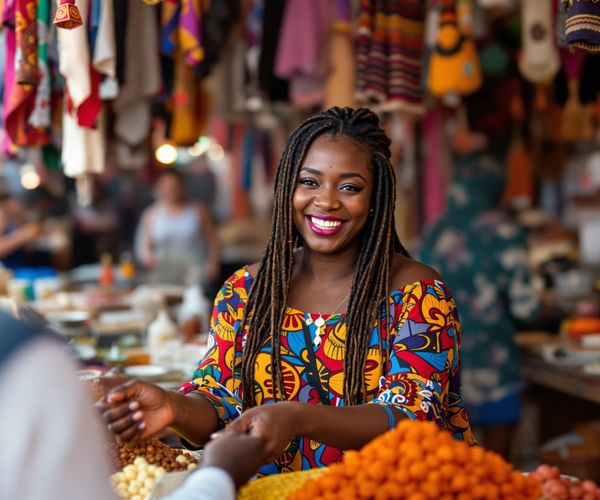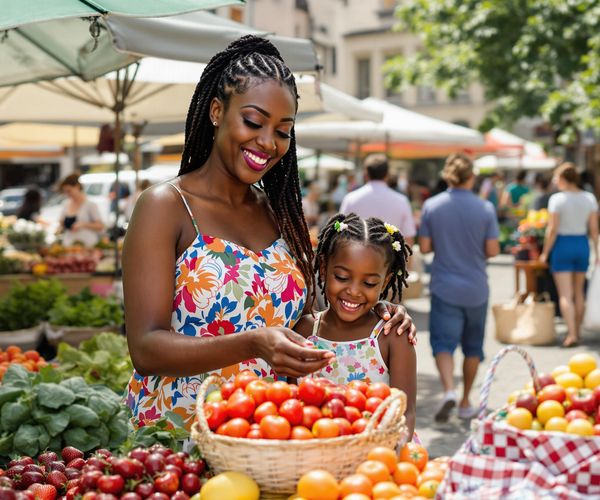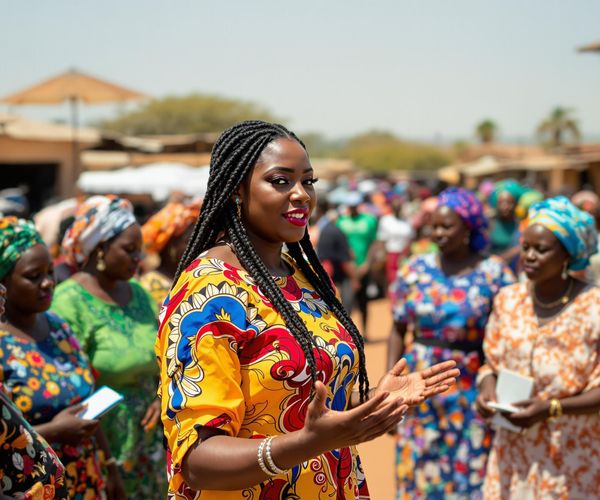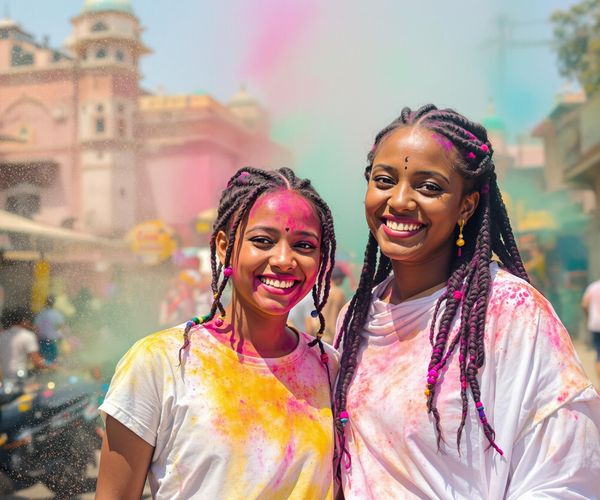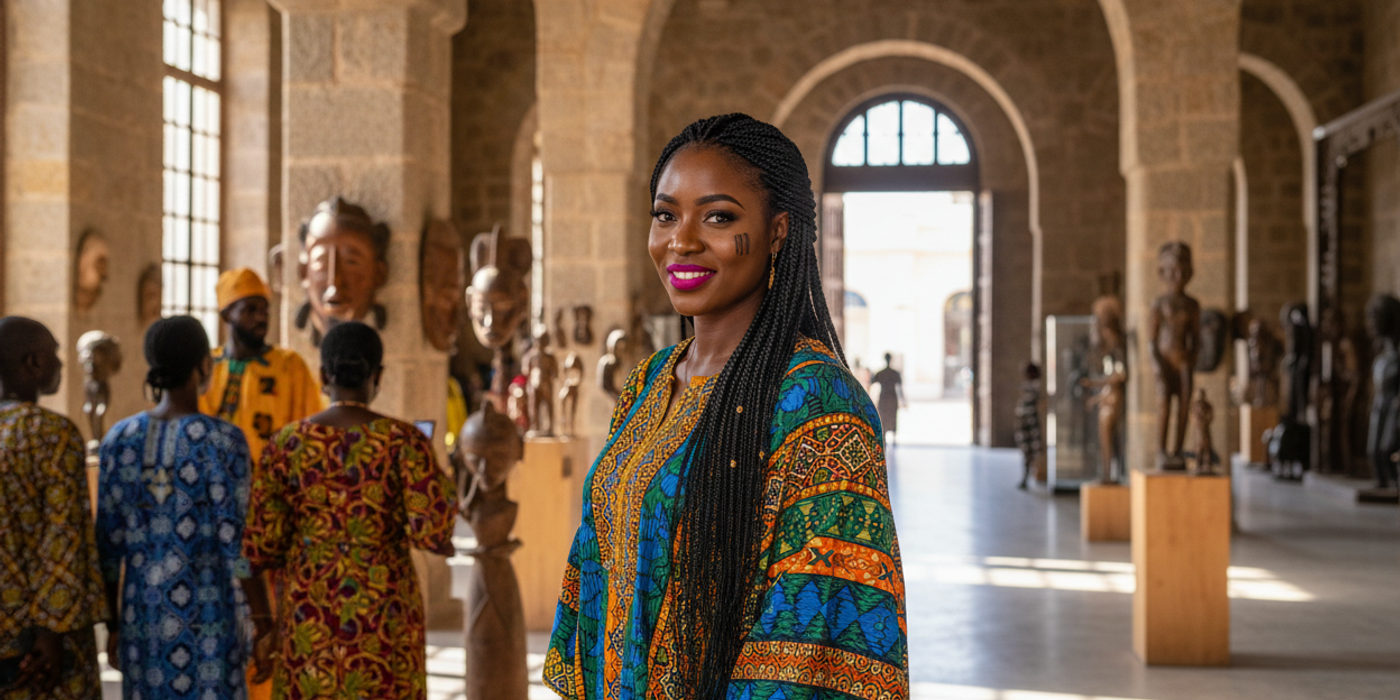
As a Senegalese woman living in Germany, I've always been fascinated by the tapestry of human cultures. My travels, whether near or far, have become a profound journey of learning and understanding, a practical dive into the world of cultural anthropology. More than just ticking off destinations on a map, each trip is an opportunity to connect with people, traditions, and histories that shape our global community.
The Essence of Cultural Anthropology Through Travel
Cultural anthropology, at its heart, is the study of human societies and cultures and their development. It explores the similarities and differences between groups, seeking to understand the complexities of human behavior and belief systems. Travel provides a living laboratory for this discipline. Every journey, whether it is to a bustling city or a remote village, involves encountering different ways of life.
When we step outside our familiar surroundings, we are immediately confronted with new customs, languages, and social norms. This direct interaction challenges our preconceived notions and expands our understanding of the world beyond academic theories. It's one thing to read about a culture in a book; it's another to experience it firsthand, to witness the nuances of daily life and engage in meaningful conversations with locals.
Immersing Yourself: Active Engagement with Local Cultures
To truly appreciate a culture, active participation is key. Rather than being a passive observer, seek out opportunities to engage with local communities. Attending local festivals and ceremonies is a wonderful way to witness traditions come to life. From vibrant dances to colorful costumes, these events offer a glimpse into the heart of a culture.
When engaging with local traditions, remember to be respectful and mindful of customs. Observe how locals behave and follow their lead. Learning basic phrases in the local language can also go a long way in showing your respect and willingness to connect. Even a simple “hello” or “thank you” can open doors and create meaningful interactions.
Museums as Portals: Understanding History and Society
Museums are invaluable resources for understanding the history and society of a place. They serve as portals to the past, preserving and presenting cultural heritage for future generations. Ethnographic museums, in particular, offer insightful exhibits on the customs, traditions, and social structures of different cultures. Historical museums provide context to travel experiences, explaining how past events have shaped the present.
For instance, visiting the Musée Théodore Monod d'Art Africain in Dakar, Senegal, offers a profound understanding of West African art and culture. Similarly, the National Museum of Ethnology in Leiden, Netherlands, showcases a vast collection of artifacts from around the world, providing a comparative perspective on human cultures. These visits enrich your travel experiences by adding depth and context to what you see and learn.
Culinary Journeys: Tasting Culture
Food is an integral part of culture, reflecting the history, environment, and social values of a community. Exploring local cuisine is a delicious way to connect with a culture on a deeper level. Don't be afraid to venture beyond familiar dishes and try local specialties, including street food. Ask locals for recommendations and be open to new flavors and textures.
I remember traveling through Vietnam and being captivated by the vibrant street food scene in Hanoi. From the fragrant pho to the crispy banh mi, each dish told a story about the country's history and culture. Learning about the preparation methods and dining rituals added another layer of appreciation to the experience. Food is more than just sustenance; it's a cultural expression that brings people together.
The Power of Observation: Noticing the Unspoken
Cultural understanding goes beyond grand monuments and historical sites. It involves observing the subtleties of daily life and social interactions. Pay attention to non-verbal communication, body language, and social cues. These unspoken signals can reveal a lot about a culture's values and norms.
For example, in some cultures, direct eye contact is considered a sign of respect, while in others, it may be seen as confrontational. Similarly, the concept of personal space varies widely across cultures. By observing these nuances, you can gain a deeper understanding of the underlying cultural dynamics and avoid misunderstandings.
Ethical Considerations: Respect and Responsibility
As travelers, it's important to be mindful of the impact we have on local communities. Cultural tourism can have both positive and negative effects, and it's our responsibility to minimize the negative ones. Support local businesses and initiatives, respect cultural heritage, and avoid exploitation.
When visiting historical sites, refrain from touching or damaging artifacts. When interacting with locals, be respectful of their customs and traditions. Avoid taking photos without permission, especially in sacred or private settings. By practicing responsible travel, we can help preserve cultural heritage and support the well-being of local communities.
Documenting Your Discoveries: Journaling and Photography
Keeping a travel journal is a wonderful way to reflect on your cultural experiences and document your insights. Write down your observations, thoughts, and feelings about the places you visit and the people you meet. This will not only help you remember your travels but also deepen your understanding of the cultures you encounter.
Photography can also be a powerful tool for capturing and preserving memories of cultural encounters. However, it's important to practice ethical photography and respect privacy. Always ask for permission before taking photos of people, and be mindful of cultural sensitivities. Use your photos to tell stories and share your insights with others.
Explore how traveling can deepen your understanding of cultural anthropology, offering immersive learning experiences, engaging with local cultures, and respecting traditions.