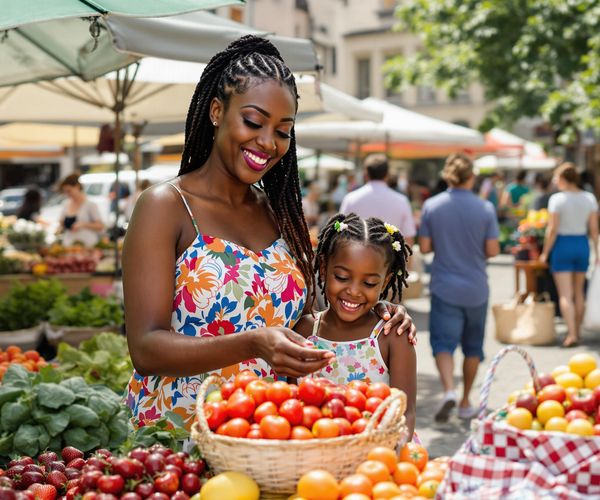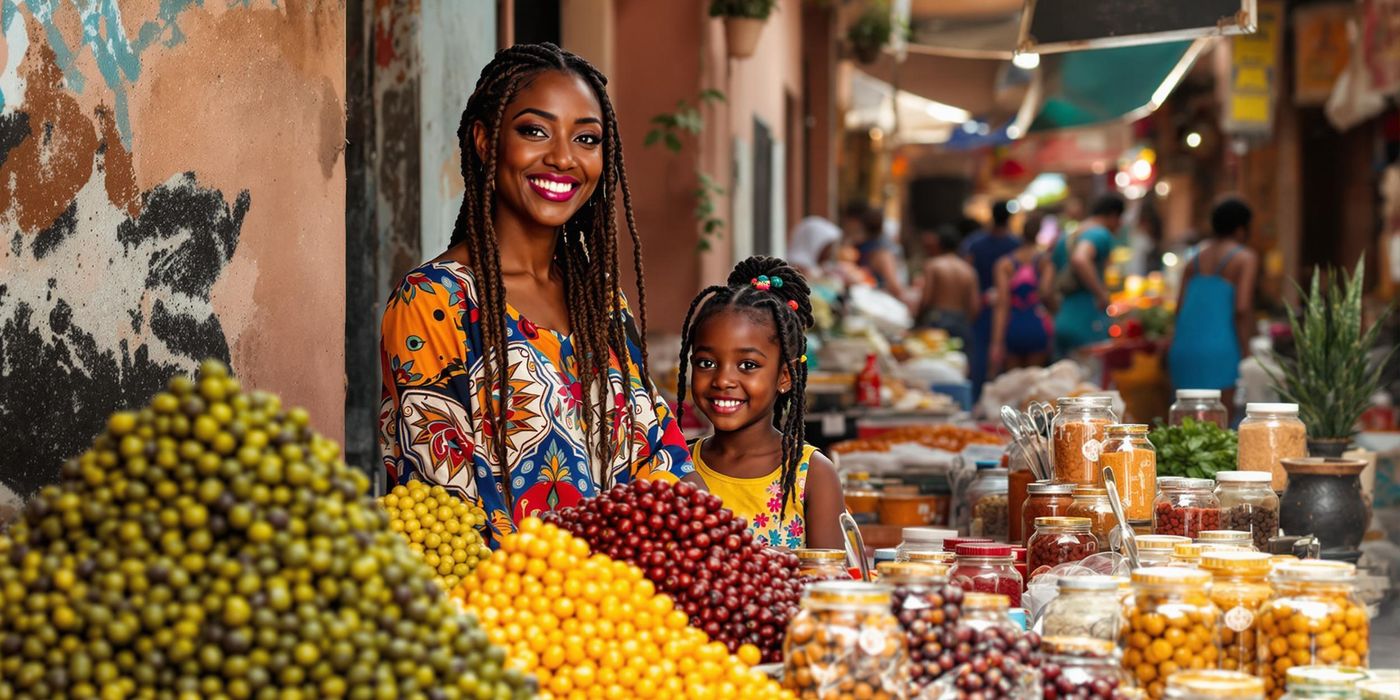
Bonjour from Heidelberg! As someone who grew up in Senegal and now calls Germany home, I've always believed that food is more than just sustenance; it's a passport to understanding different cultures. Join me as I share my tips on how to eat like a local, turning every meal into a cultural adventure.
Embrace Food as a Cultural Bridge
Food, in my experience, is a universal language. It tells the story of a culture's history, its traditions, and its values. Think about it: the spices used in Indian curries speak of ancient trade routes, while the simple ingredients in Italian pasta reflect the resourcefulness of its people. As a cultural anthropology enthusiast, I've always been fascinated by how a single dish can encapsulate an entire culture.
I remember once being in a small village in Vietnam, where I was invited to a family's home for dinner. They served me 'pho,' a traditional noodle soup. As I savored each spoonful, the family shared stories about their ancestors and the significance of this dish in their lives. It wasn't just a meal; it was a profound connection to their heritage.
Research Before You Arrive
Before you even pack your bags, start your culinary journey. Delve into food blogs, local media, and tourism websites to discover the must-try delicacies and seasonal dishes of your destination. For example, if you're heading to Japan in the spring, you'll want to know about 'sakura mochi,' a sweet rice cake wrapped in a cherry blossom leaf. Knowing what to look for enhances your experience tenfold.
Don't forget to check local food prices to create a realistic budget. Eating like a local doesn't have to break the bank. In fact, it's often more affordable than dining at touristy restaurants.
Seek Recommendations from Locals
Locals are your best resource for finding hidden culinary gems. Hotel staff, taxi drivers, and shopkeepers often know the best places to eat, far from the tourist crowds. Don't hesitate to ask them for their favorite spots. You might discover a hole-in-the-wall eatery serving the most authentic dishes you've ever tasted.
Consider joining local culinary tours for an immersive food experience. These tours often take you to family-run restaurants and markets, where you can sample regional specialties and learn about the local food culture firsthand.
Venture into Local Markets and Street Food Stalls
Local markets and street food stalls are the heart and soul of any culinary scene. They offer a genuine and inexpensive way to experience local cuisine. In Marrakech, I spent hours wandering through the bustling souks, sampling dates, olives, and freshly squeezed orange juice. It was a sensory overload in the best possible way.
Don't be afraid to interact with local vendors. Ask them about the ingredients they use and how they prepare their dishes. You might even pick up a few cooking tips along the way. When choosing street food, look for stalls with long lines of locals – that's usually a sign of quality and freshness.
Learn Basic Phrases in the Local Language
Knowing a few basic phrases in the local language can significantly enhance your dining experience. It shows respect for the local culture and makes it easier to communicate with restaurant staff and vendors. Even simple phrases like 'hello,' 'thank you,' and 'delicious' can go a long way.
Translation apps can be incredibly useful for deciphering menus and asking for recommendations. I always make sure to download a language app before traveling to a new country. Some useful phrases to learn include 'What do you recommend?' and 'I'm allergic to…'
Be Open to Trying New Things
Stepping outside your comfort zone is essential for any culinary adventure. Don't be afraid to sample unfamiliar dishes, even if they sound a bit strange. You never know what delightful discoveries await you.
I remember being hesitant to try 'hákarl' in Iceland, fermented shark that's considered a local delicacy. The smell was quite pungent, and I wasn't sure if I could stomach it. But I decided to give it a try, and while it wasn't my favorite dish, I was proud of myself for being open to new experiences. Sometimes, the most unexpected dishes turn out to be the most memorable.
If you're feeling adventurous, try ordering dishes you can't pronounce. It's a surefire way to discover something new and exciting.
Understand Local Dining Etiquette
Respecting local dining customs and traditions is crucial for avoiding cultural faux pas. Different cultures have different rules when it comes to dining etiquette, so it's important to do your research beforehand.
For example, in some Asian countries, it's considered impolite to stick your chopsticks upright in a bowl of rice. In India, it's customary to eat with your right hand. And in some parts of China, it's considered polite to leave a small amount of food on your plate to show that you're satisfied.
Always remember to show gratitude to the chef and hosts. A simple 'thank you' or a compliment on the food can go a long way.
Consider Taking a Cooking Class
Taking a cooking class is a fantastic way to learn about local cuisine and culinary techniques from a local chef. You'll have the opportunity to use traditional ingredients and create authentic dishes that you can recreate at home.
Airbnb Experiences is a great resource for finding cooking classes led by local hosts. These classes often take place in private homes, offering a more intimate and authentic experience.
Explore Global Food Trends
The culinary world is constantly evolving, with new trends emerging all the time. Currently, there's a growing emphasis on plant-based options, unique flavor combinations, and sustainable practices.
Many restaurants are embracing global treats, incorporating ingredients and techniques from different cultures into their menus. Keep an eye out for innovative dishes that blend tradition with modernity.
So, there you have it – my guide to eating like a local. Remember, food is more than just fuel; it's a way to connect with people, understand cultures, and create lasting memories. Bon appétit, or as we say in Wolof, 'Nekkal ci jamm!'
Discover how to immerse yourself in local cultures through food. Learn tips on finding authentic eateries, understanding dining etiquette, and trying new dishes.