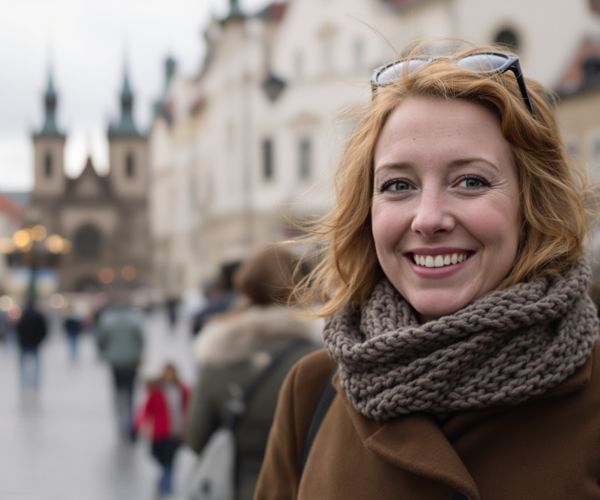

The digital nomad lifestyle is incredibly appealing, offering the chance to explore the world while still earning a living. As a freelance graphic designer who's been navigating this path for a few years, I, Sophie Smith, have learned a thing or two about balancing work and wanderlust. It's not always easy, but with the right strategies, you can make it work.
The Allure and Reality of the Digital Nomad Life
The dream of working from a beach in Bali or a café in Rome is undeniably attractive. The freedom to set your own hours, the adventure of exploring new places, and the opportunity to blend work with travel are all part of the allure. My husband, Liam, and I were drawn to this lifestyle because we both craved flexibility and a life less ordinary. We wanted to immerse ourselves in different cultures, try new foods, and see the world beyond our hometowns.
However, the reality of the digital nomad life isn't always picture-perfect. There are challenges, such as maintaining a consistent work-life balance, dealing with unreliable internet, and the constant need to adapt to new environments. It's easy to fall into the trap of overwork, especially when your office is also your hotel room or Airbnb. Neglecting responsibilities or burning out is a real risk if you don't set realistic expectations and boundaries.
Establishing a Solid Routine Amidst the Chaos
One of the most important things I've learned is the importance of creating a consistent daily routine, even when your surroundings are constantly changing. It's tempting to sleep in when you're on vacation, but having a routine provides structure and helps you stay productive.
I try to set regular working hours that align with my peak productivity times. For me, that's usually late morning to early afternoon. I also incorporate morning rituals like meditation or a quick yoga session to boost my energy and set a positive tone for the day. Even a short walk around the neighborhood can make a big difference.
Time Management Techniques for the Traveling Worker
Effective time management is crucial for any freelancer, but it's even more important when you're traveling. I rely on a few key techniques to stay on track. The Pomodoro Technique, where you work in focused 25-minute intervals with short breaks in between, is a lifesaver for me. It helps me stay focused and avoid distractions, especially when I'm working in a busy café or coworking space.
I also find time blocking to be incredibly helpful. I block out specific times in my calendar for different tasks, such as client calls, design work, and administrative tasks. This helps me visualize my day and ensure that I'm allocating enough time for each task. Breaking down larger tasks into smaller, more manageable chunks is another strategy I use to avoid feeling overwhelmed. Setting realistic daily goals is also important. It's better to accomplish a few key tasks well than to try to do too much and end up feeling stressed and unproductive.
One of my favorite tips is to prioritize tasks and start with the hardest task first. Once that's out of the way, the rest of the day feels much easier. It's a simple but effective way to combat procrastination and build momentum.
Creating Boundaries: Separating Work and Play
Setting clear boundaries between work and personal life is essential to prevent burnout. When you're constantly on the move, it's easy for work to bleed into your leisure time. I've learned the hard way that this is a recipe for disaster.
Establishing specific timeframes for work and leisure is crucial. I try to stick to my working hours as much as possible, even when I'm tempted to check emails or do a quick task outside of those hours. Communicating these boundaries to clients and colleagues is also important. Let them know when you're available and when you're not, and don't be afraid to say no to requests that fall outside of your working hours.
I've also found that transition rituals can be helpful in signaling the start and end of the workday. This could be something as simple as changing out of your pajamas and into work clothes, or taking a short walk before and after work. These rituals help to create a mental separation between work and personal life.
Choosing Work-Friendly Accommodations
Where you stay can have a big impact on your ability to work effectively. Reliable internet access and a comfortable workspace are essential. I always check internet speeds before booking accommodations and look for places with a dedicated desk or table.
There are many different accommodation options to choose from, each with its own pros and cons. Hostels can be a budget-friendly option, but they may not always be the best choice for productivity due to noise and limited privacy. Hotels offer more comfort and amenities, but they can be more expensive. Private rentals, like those found on Airbnb, can provide a good balance of comfort and affordability. Co-living spaces are specifically designed for digital nomads and offer a built-in community and workspace.
Some great resources for finding suitable accommodations include Anyplace, Airbnb, Booking.com, and Nomad Stays. Take the time to read reviews and compare options to find the best fit for your needs.
Leveraging Technology to Stay Organized and Connected
Technology is your best friend as a digital nomad. Project management tools like Trello and Asana can help you plan and organize your work, track deadlines, and collaborate with clients or team members. I use Trello to manage my design projects, create to-do lists, and track my progress.
Communication apps like Slack and Microsoft Teams are essential for staying connected with colleagues and clients. I use Slack to communicate with my clients, share files, and get quick feedback on my designs. Cloud storage solutions like Google Drive and Dropbox are also invaluable for accessing files from anywhere. I store all of my design files, contracts, and other important documents in the cloud, so I can access them from my laptop, phone, or tablet.
Maintaining Health and Well-being on the Road
It's easy to let your health and well-being slide when you're constantly on the move. However, taking care of yourself is essential for maintaining productivity and avoiding burnout. Self-care activities like exercise, meditation, and healthy eating are crucial.
I try to incorporate exercise into my daily routine, even if it's just a short walk or a quick workout in my hotel room. Meditation helps me to stay grounded and manage stress. I also try to eat healthy meals as much as possible, even when I'm tempted to indulge in local delicacies. Taking breaks to explore your surroundings and recharge your mind is also important. Don't spend all of your time working. Make time to see the sights, try new activities, and immerse yourself in the local culture.
Maintaining a healthy sleep schedule and managing time zone differences can be challenging, but it's important for your overall well-being. I try to adjust to the local time zone as quickly as possible and avoid working late into the night. I also use a sleep mask and earplugs to block out noise and light.
Building a Supportive Community
The digital nomad life can be isolating at times. Building a supportive community is essential for emotional support and enhancing your cultural experiences. Connecting with fellow digital nomads through online communities and local interest groups can help you feel less alone and provide valuable networking opportunities.
I've found several online communities to be incredibly helpful, such as Nomad List and the Digital Nomad Girls community on Facebook. These communities provide a space to ask questions, share tips, and connect with other travelers. Attending digital nomad meetups and engaging with local communities is also a great way to build relationships and learn about new cultures. Liam and I always try to find local events and activities to participate in, such as cooking classes, language exchanges, and volunteer opportunities.
Practical tips for digital nomads on balancing work and travel, ensuring productivity and enjoyment. Learn from a freelance graphic designer's experience.