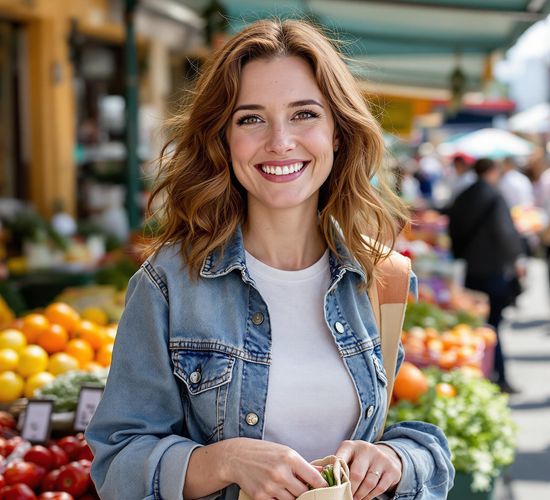
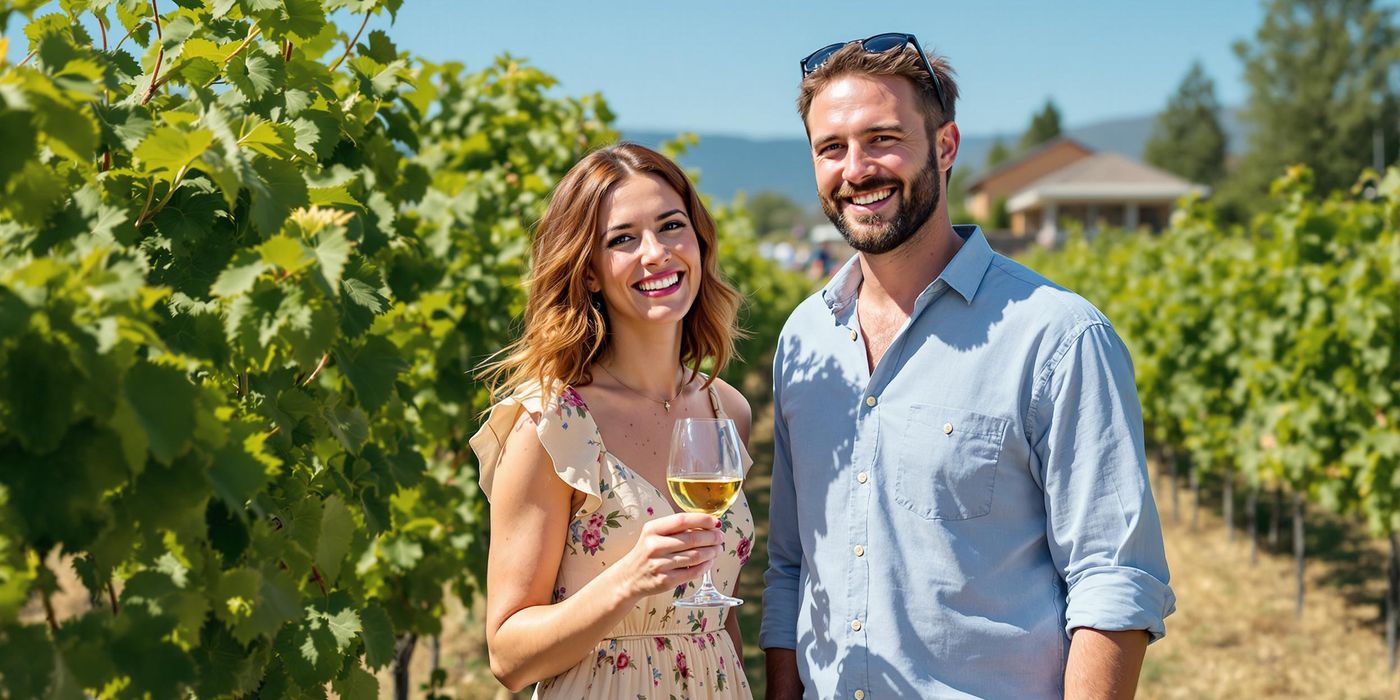
Hello fellow travelers! Sophie here, ready to uncork a topic close to my heart (and taste buds): wine tasting. As someone who appreciates the beauty in both a well-designed label and a breathtaking landscape, I've come to see wine tasting as more than just an activity—it's an art form. Join me as we explore the nuances of wine tasting from a traveler's perspective, enhancing your appreciation for local vineyards and winemaking traditions.
The Sensory Experience: More Than Just a Drink
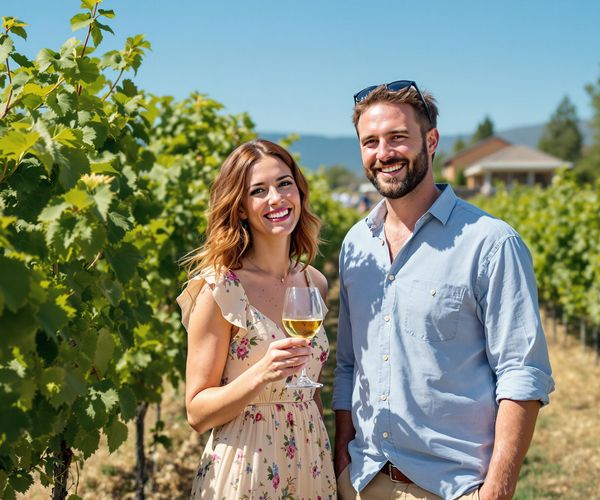
For me, wine tasting is a multi-sensory journey. It’s not just about the drink itself, but about the entire experience. I think back to a sunny afternoon in a small vineyard in the Okanagan Valley, the air filled with the scent of grapes and earth, the gentle breeze rustling through the vines. Wine tasting engages all your senses, creating lasting memories.
Let's dive into the '5 S's' of wine tasting: See, Swirl, Sniff, Sip, and Savor. Each step is crucial, engaging different senses and providing clues about the wine's characteristics. It's like piecing together a puzzle, revealing the story behind each glass.
- See: Observe the wine's color and clarity.
- Swirl: Release the aromas by gently swirling the wine.
- Sniff: Inhale deeply to identify the wine's aromas.
- Sip: Take a small sip and let it linger on your palate.
- Savor: Reflect on the wine's flavors and finish.
Decoding the Glass: A Visual Journey
The visual aspect of wine tasting is often overlooked, but it's the first impression a wine makes. The color and clarity can tell you a lot about the wine even before you take a sip.
Tilt the glass against a white background to get a better view of the wine's tint and brilliance. Is it a deep ruby red, a pale straw yellow, or something in between? The color can indicate the grape variety, age, and even the climate in which the grapes were grown.
Pay attention to the viscosity, those 'tears' or 'legs' that run down the inside of the glass after swirling. Thick, slow-moving tears often indicate a wine that's richer in alcohol or sugar. It's a visual clue that hints at the wine's body and texture.
Unlocking Aromas: The Language of the Nose
As a food photography enthusiast, I appreciate the power of aroma. Swirling the wine releases deeper aromas, awakening your senses and preparing you for the tasting experience. It's like unlocking a hidden language.
Take a moment to really smell the wine. What do you detect? Berries, flowers, herbs, or perhaps a hint of smoke? Identifying the aromas is key to understanding the wine's complexity. These are the wine's most volatile aromas, the first impressions that dance in your nose.
Wines have primary, secondary, and tertiary aromas. Primary aromas come from the grape itself (like fruit or floral notes). Secondary aromas develop during fermentation (think of yeast or bread-like smells). Tertiary aromas emerge as the wine ages (such as nutty or earthy notes). Understanding these layers adds depth to the tasting experience.
The Palate's Perspective: Tasting Techniques
Now for the fun part: tasting! Take a sip of the wine, but don't just swallow it. Swirl it around in your mouth, making sure it hits every part of your palate. This allows you to fully experience the wine's flavors and textures.
Focus on the main components: sweetness, acidity, tannins, and flavors. Is the wine dry or sweet? Does it have a refreshing acidity? Are the tannins smooth or astringent? What flavors do you detect? Fruit, spice, earth, or something else entirely?
Pay attention to the attack (the initial impression on your palate) and the finish (the lingering flavors after you swallow). A well-balanced wine will have a harmonious attack and a long, satisfying finish.
Wine Tasting Etiquette: Sipping Like a Pro
Wine tasting should be a relaxed and enjoyable experience for everyone. As someone who values empathy, I believe it's important to be mindful of others and follow a few simple guidelines.
Pace yourself and stay hydrated. Wine tasting can be a marathon, not a sprint. Drink plenty of water between sips to keep your palate fresh and avoid overindulging.
Hold the wine glass by the stem to avoid warming the wine with your hand. Avoid wearing strong perfumes or colognes, as they can interfere with the wine's aromas and affect the tasting experience for others.
Don't be afraid to use the spittoon. It's perfectly acceptable to taste without swallowing, especially if you're sampling multiple wines. It allows you to appreciate the flavors without becoming intoxicated.
Reading the Label: More Than Just a Name
As a graphic designer, I appreciate a well-designed wine label. But beyond the aesthetics, the label contains valuable information about the wine. It's like a treasure map, guiding you to understand its origins and characteristics.
Pay attention to the appellation of origin, which tells you where the grapes were grown. This can give you clues about the wine's style and quality. Also check the vintage year, which indicates when the grapes were harvested. The vintage can affect the wine's flavor profile, depending on the weather conditions during that growing season.
The alcohol by volume (ABV) is another important detail. It gives you an idea of the wine's strength and body. And of course, take note of the producer or brand name. Some producers are known for their consistent quality and distinctive style.
Pairing Wine with Local Cuisine: A Culinary Adventure
One of the best parts of traveling is trying new foods. And what better way to enhance your culinary adventures than by pairing local wines with local cuisine? It's a match made in heaven!
When pairing wine with food, consider the intensity of both. A light-bodied wine will pair well with delicate dishes, while a full-bodied wine can stand up to richer, heartier fare. The goal is to balance the flavors so that the wine complements the dish without overpowering it.
Don't be afraid to experiment with regional pairings. Local wines often work beautifully with local street food. For example, in Texas, you might pair a bold Texas Cabernet Sauvignon with some smoky barbecue. The possibilities are endless!
Explore the nuances of wine tasting from a traveler's viewpoint, enhancing your appreciation for local vineyards and winemaking traditions. Sophie shares her expertise!