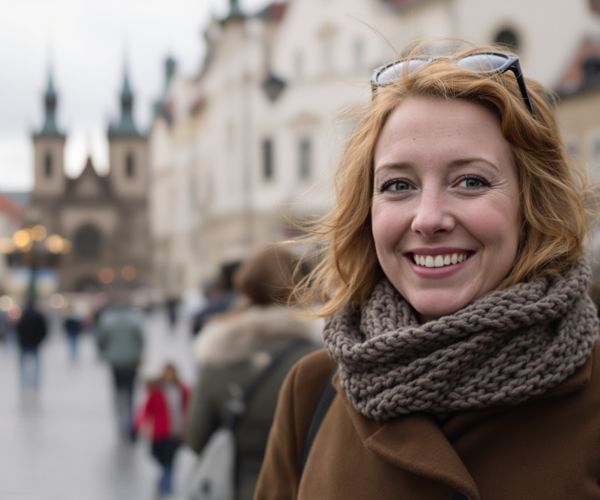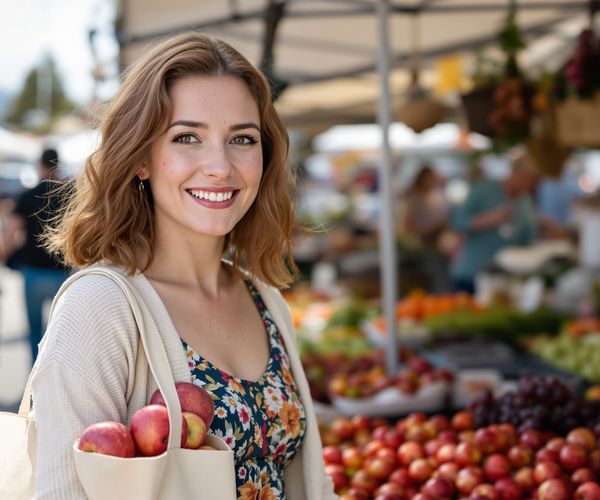

Hey fellow travelers! Sophie here, ready to dive into a topic close to my heart: embracing cultural diversity. Liam and I have always believed that travel is more than just seeing new places; it's about connecting with people, understanding their stories, and respecting their way of life. So, grab a cup of tea, and let's explore how we can all become more culturally sensitive travelers.
Understanding Cultural Sensitivity
Cultural sensitivity, in simple terms, is about being aware and respectful of cultural differences. When we travel, we're stepping into someone else's home, and it's crucial to act accordingly. It’s more than just knowing the do’s and don’ts; it's about understanding why those customs exist. Respecting local customs and traditions shows that you value the people and their heritage. It opens doors to authentic experiences and deeper connections.
Think of it this way: imagine someone visiting your home and criticizing your traditions. Not a great feeling, right? The same applies when we travel. Showing cultural sensitivity not only enriches our travel experiences but also fosters mutual respect and understanding between cultures.
Research and Preparation Before You Go
Before Liam and I even book our flights, we dive deep into researching our destination. We want to understand the culture, customs, and etiquette. This isn't about becoming experts, but rather about being informed and prepared.
Online resources are a goldmine. Websites like Wikipedia, Culture Crossing, and Expat forums offer insights into local customs and traditions. Travel guides, such as Lonely Planet and Rough Guides, often include sections on cultural etiquette. And don't underestimate the power of documentaries and travel vlogs! They can provide a visual and engaging introduction to a new culture.
Learning a few basic phrases in the local language can go a long way. Even a simple hello or thank you shows that you're making an effort to connect with the local people. It's a sign of respect that is always appreciated.
Respectful Interactions and Communication
Communication is key to any successful interaction, but it's especially important when navigating cultural differences. Be mindful of verbal and non-verbal communication styles. In some cultures, direct eye contact is a sign of respect, while in others, it's considered rude.
Avoid making assumptions and stereotypes. Every culture is diverse, and individuals within that culture may have varying beliefs and practices. Instead, practice active listening. Show genuine interest in local perspectives and be open to learning from others. Ask questions, but do so respectfully and with a desire to understand, not to judge.
Immersing Yourself in Local Traditions
One of the best ways to embrace cultural diversity is to immerse yourself in local traditions. Participate in local festivals and ceremonies, but always do so respectfully. Observe the customs and follow the lead of the locals. If you're unsure about something, ask for guidance.
Learning about traditional arts, crafts, and music can provide a deeper understanding of a culture's values and history. Attend a traditional music performance, visit a local art gallery, or take a pottery class. Supporting local artisans and businesses is another way to show your appreciation for the local culture. Buy souvenirs from local markets instead of chain stores, and eat at family-owned restaurants instead of international fast-food chains.
Responsible Travel Practices
Our actions as travelers have a direct impact on the places we visit. It's our responsibility to minimize our environmental impact and support local communities. Choose sustainable travel options whenever possible. Stay in eco-friendly accommodations, use public transportation, and avoid single-use plastics.
Support local economies by purchasing local products and services. This ensures that your money stays within the community and benefits the people who live there. Respect sacred sites and religious practices. Dress modestly when visiting religious sites, and be mindful of local customs and traditions. Always ask for permission before taking photos of people or places.
Food and Drink Etiquette
Food is an integral part of any culture, and exploring local cuisine is a fantastic way to connect with the people and their traditions. Before you go, research local culinary customs and traditional dishes. What are the staple foods? Are there any dining etiquette rules you should be aware of?
Be mindful of dietary restrictions and taboos. In some cultures, certain foods are considered sacred or unclean. Always ask about the ingredients and preparation methods before trying a new dish. Participating in cooking classes is a fun and interactive way to learn about local cuisine. You'll not only learn how to prepare traditional dishes but also gain insights into the cultural significance of food.
Personal Anecdotes and Experiences
One of my most memorable cultural exchanges happened in a small village in Vietnam. Liam and I were invited to join a local family for dinner. Despite the language barrier, we shared laughter, stories, and delicious food. It was a simple meal, but it was filled with warmth and connection. That experience taught me the power of human connection and the importance of being open to new experiences.
In another instance, while traveling through India, I made the mistake of wearing shoes inside a temple. A local woman gently corrected me, explaining the significance of removing shoes as a sign of respect. I was embarrassed, but I learned a valuable lesson about cultural sensitivity. These moments of connection and understanding have shaped me into a more empathetic and open-minded traveler. They've taught me that travel is not just about seeing new places, but about growing as a person.
Learn how to immerse yourself in different cultures respectfully and authentically, enhancing your travel experiences through deeper connections.