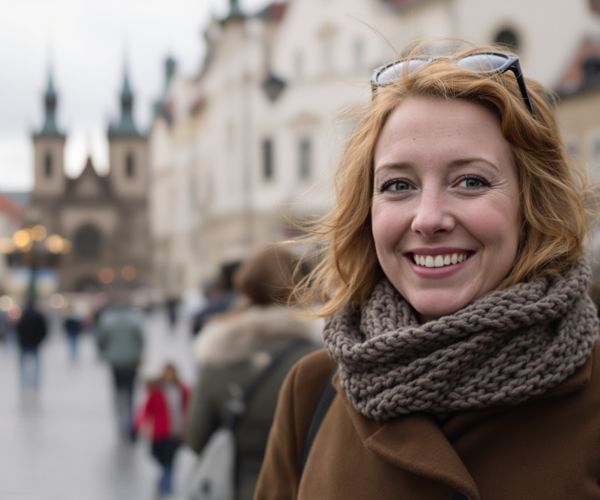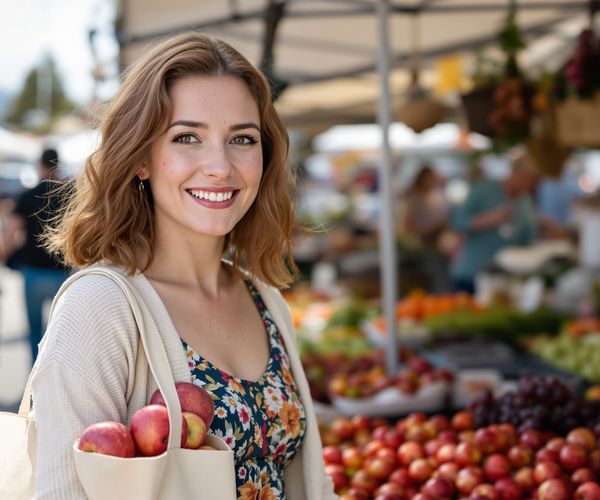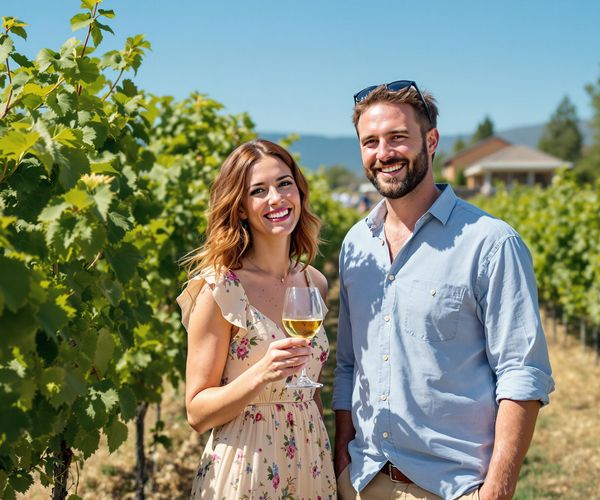
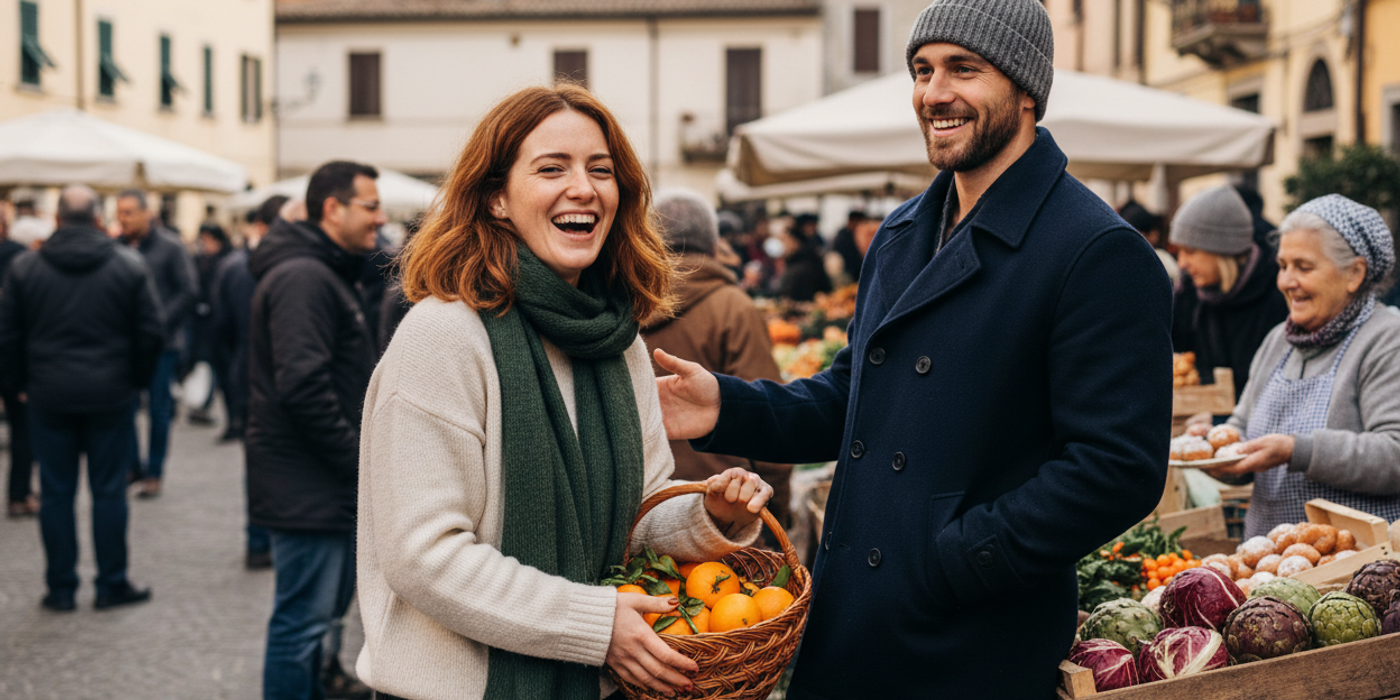
Hey fellow wanderers! Sophie here, ready to share my passion for a different kind of travel – one that's less about ticking off landmarks and more about soaking in the journey. Liam and I discovered the magic of slow travel a few years ago, and it's completely transformed the way we see the world. Forget rushing from one tourist trap to another; slow travel is about connection, immersion, and savoring every moment.
What is Slow Travel?
Slow travel, at its heart, is a philosophy that prioritizes depth over breadth. It's about taking your time to truly experience a place, connecting with its culture, people, and environment. Instead of trying to see everything, you focus on seeing a few things really well. It's a deliberate rejection of the whirlwind pace of conventional tourism, where you're often left feeling exhausted and disconnected from the places you've visited.
Think of it as the antithesis of the typical two-week vacation packed with flights, tours, and must-see attractions. Slow travel encourages you to linger, to explore at your own pace, and to embrace the unexpected detours that often lead to the most rewarding experiences. The growing popularity of slow travel reflects a desire for more authentic and meaningful travel experiences, a yearning to escape the superficiality of mass tourism.
The Benefits of Slow Travel: A Personal Perspective
For me, the benefits of slow travel are deeply personal. It's not just about seeing new places; it's about growing as a person. One of the most profound advantages is the opportunity for deeper cultural immersion. When you slow down, you have time to interact with locals, learn about their traditions, and understand their way of life. You can visit local markets, attend community events, and even take a cooking class to learn how to prepare traditional dishes. These experiences create a connection that goes far beyond the surface level.
Liam and I spent a month in a small village in Italy a couple of years back. We weren't just snapping photos of famous landmarks; we were learning to make pasta from scratch with Nonna Emilia, sharing stories with the local farmers at the weekly market, and participating in the town's annual grape harvest. These are the moments that truly enriched our lives and gave us a profound appreciation for Italian culture.
Slow travel also offers incredible opportunities for personal growth and self-discovery. When you're not rushing from one place to another, you have time to reflect on your experiences, to challenge your assumptions, and to learn more about yourself. You might discover hidden talents, overcome fears, or simply gain a new perspective on life. Slow travel also allows you to build meaningful connections with locals. When you take the time to engage with people, to listen to their stories, and to show genuine interest in their lives, you create bonds that can last a lifetime. These connections can enrich your travel experiences and provide you with a deeper understanding of the world.
And let's not forget the environmental benefits! Slow travel often involves choosing more sustainable modes of transportation, such as trains, buses, or bicycles, which reduces your carbon footprint. It also encourages you to support local businesses and economies, which helps to preserve cultural heritage and promote sustainable development.
Planning Your Slow Travel Itinerary: Practical Tips
So, how do you incorporate slow travel into your own adventures? Here are a few practical tips:
- Choose destinations that align with your values. Look for places that prioritize sustainability, cultural preservation, and community engagement.
- Prioritize local experiences over tourist attractions. Instead of visiting the Eiffel Tower, take a cooking class or visit a local market. Instead of seeing the Colosseum, learn some basic Italian and strike up a conversation with a local at a cafe.
- Utilize slow modes of transportation. Embrace trains, buses, cycling, or even walking. Not only are these options more environmentally friendly, but they also allow you to see more of the countryside and connect with local communities.
- Seek out accommodations that support local communities. Stay in locally owned guesthouses or homestays, rather than large chain hotels. AirBnB can also offer great opportunities to stay in local neighborhoods.
- Allow ample time for exploration and spontaneity. Don't try to cram too much into your itinerary. Leave room for unexpected detours and unplanned adventures. Sometimes, the best experiences are the ones you never saw coming.
Embracing the Unexpected: The Beauty of Unplanned Moments
One of the most important lessons I've learned from slow travel is the value of flexibility and adaptability. Things don't always go according to plan, and that's okay! In fact, some of the most memorable moments of our travels have been the result of unexpected encounters or spontaneous decisions. Like that time we missed our train in rural Vietnam and ended up spending the night in a local family's home, sharing stories and laughter over a simple meal. Or when we stumbled upon a hidden waterfall in the Costa Rican rainforest, a place that wasn't even on our map.
These unplanned moments are what make slow travel so special. They remind us to be present in the moment, to embrace the unknown, and to find joy in simplicity. They teach us that the journey is just as important as the destination.
Sustainable Choices for Slow Travelers
As slow travelers, we have a responsibility to minimize our impact on the environment and to support the communities we visit. Here are a few ways to make sustainable choices on your next slow travel adventure:
- Support local businesses and economies. Shop at local markets, eat at family-owned restaurants, and buy souvenirs from local artisans.
- Reduce waste and minimize your environmental footprint. Bring your own reusable water bottle, shopping bag, and toiletries. Avoid single-use plastics and dispose of your waste responsibly.
- Respect local customs and traditions. Learn about the local culture and etiquette before you go. Dress modestly, avoid public displays of affection, and be mindful of local customs and religious practices.
- Choose eco-friendly accommodations and transportation options. Stay in guesthouses or eco-lodges that are committed to sustainability. Use public transportation, bicycles, or your own two feet whenever possible.
Slow travel is more than just a way to see the world; it's a way to connect with it. It's a way to slow down, to appreciate the simple things, and to create meaningful experiences that will last a lifetime. So, pack your bags, embrace the unexpected, and get ready for a journey that will change the way you see the world.
Discover the art of slow travel and how it enriches your travel experiences through meaningful connections and deeper cultural immersion. Ditch the checklist, embrace the journey!