As a father and a software developer with a love for travel, I've always believed in the power of cultural experiences to shape young minds and create lasting family memories. Over the years, my family and I have explored numerous festivals around the world, each offering a unique glimpse into different traditions and ways of life. I'm excited to share some of our favorite cultural festivals that are perfect for families seeking enriching adventures.
Introduction: Why Cultural Festivals are Perfect for Families
Cultural festivals provide a fantastic opportunity to expose children to the world's diverse cultures. They offer immersive experiences that go beyond textbooks and screens, allowing kids to engage with traditions, music, food, and art firsthand. Festivals are not just about entertainment; they're educational journeys that foster understanding, empathy, and appreciation for different ways of life. What better way to learn than through shared experiences that become cherished family stories?
These celebrations create lasting family memories through shared cultural experiences. From the vibrant colors of Diwali to the rhythmic beats of Carnival, each festival offers unique moments that bind families together. The joy of discovering new tastes, participating in traditional activities, and witnessing spectacular performances creates bonds that last a lifetime.
Celebrating Diwali: The Festival of Lights in India (and Beyond)
Diwali, the Festival of Lights, is one of the most significant festivals in India, celebrated by Hindus, Sikhs, and Jains. It symbolizes the victory of good over evil, light over darkness, and knowledge over ignorance. The festival is marked by the lighting of diyas (oil lamps), decorating homes with colorful rangoli (patterns), and exchanging sweets and gifts.
For families, Diwali is a time of togetherness and joy. Children love lighting diyas, watching fireworks (where permitted and safely), and indulging in delicious sweets like ladoo and barfi. Many communities organize family-friendly Diwali events with cultural performances, food stalls, and interactive activities.
While Diwali is primarily celebrated in India, its vibrant celebrations have spread across the globe. In Toronto, where my family and I live, neighborhoods like Little India come alive with Diwali festivities. Other cities with large Indian diasporas, such as London, Singapore, and Kuala Lumpur, also host grand Diwali celebrations.
When attending Diwali celebrations with children, safety is paramount. Keep a close eye on them around diyas and fireworks. It's also essential to be mindful of cultural etiquette. Dress modestly, be respectful during prayers, and be open to trying new foods. Explaining the significance of Diwali to your children beforehand will help them appreciate the experience even more.
Carnival in Rio de Janeiro: A Spectacle of Music and Dance
Carnival in Rio de Janeiro is one of the world's most famous and exhilarating festivals. Rooted in ancient traditions and Afro-Brazilian culture, Carnival is a celebration of life, music, and dance. The city transforms into a vibrant explosion of colors, sounds, and energy, attracting millions of visitors from around the globe.
Experiencing Carnival with family requires a bit of planning. While the main parades at the Sambadrome might be overwhelming for young children, there are plenty of family-friendly ways to enjoy the festivities. Daytime blocos (street parties) offer a more relaxed and accessible atmosphere. These blocos often feature live music, dance performances, and colorful costumes, providing a taste of Carnival without the intense crowds.
The costumes, music, and dance are integral to the Carnival experience. The elaborate costumes worn by samba school members are works of art, reflecting months of preparation and creativity. The infectious rhythms of samba music fill the air, inviting everyone to dance and celebrate. Witnessing these cultural expressions firsthand is an unforgettable experience for children and adults alike.
For family-friendly accommodations, consider staying in neighborhoods like Copacabana or Ipanema, which offer a range of hotels and apartments. Look for accommodations with amenities like swimming pools and kids' clubs to keep the little ones entertained. During the day, explore quieter attractions like the Botanical Garden or Sugarloaf Mountain for a break from the Carnival frenzy.
Lantern Festival in Pingxi, Taiwan: A Sky Full of Wishes
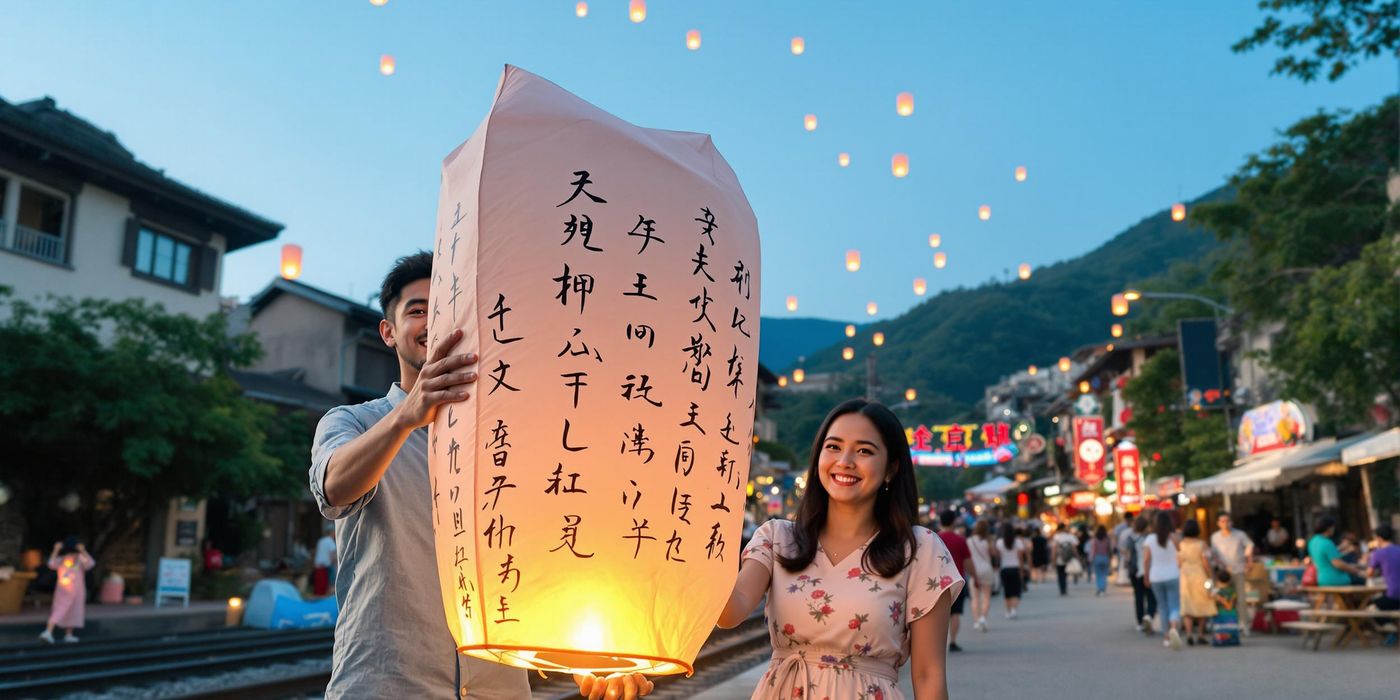
The Lantern Festival in Pingxi, Taiwan, is a magical event where thousands of lanterns are released into the night sky, carrying wishes and dreams. This ancient tradition marks the end of the Lunar New Year celebrations and symbolizes letting go of the past and embracing the future.
The process of writing wishes on lanterns is a meaningful activity for families. Each member can write their hopes and dreams for the coming year, creating a shared sense of anticipation and optimism. Releasing the lantern into the sky is a powerful moment, as the collective wishes ascend together, creating a breathtaking spectacle.
I remember attending the Lantern Festival with my family a few years ago. The sight of countless lanterns floating against the dark sky was truly awe-inspiring. My son, Bagus, was particularly fascinated by the tradition and spent hours carefully writing his wishes on his lantern. It was a moment of profound connection and shared joy that we will always cherish.
Traveling to Pingxi with children requires some planning. The easiest way to get there is by train from Taipei. Consider booking accommodations in advance, as the festival attracts large crowds. Be prepared for cooler temperatures in the evening and dress warmly. Encourage children to participate in decorating their lanterns and share their wishes with the family.
Day of the Dead (Día de Muertos) in Oaxaca, Mexico: Honoring Ancestors
Día de Muertos, or Day of the Dead, is a vibrant and deeply meaningful celebration in Mexico that honors deceased loved ones. Far from being a somber occasion, it is a joyful remembrance of those who have passed, celebrated with colorful altars, sugar skulls, and festive parades.
The altars, or ofrendas, are central to Día de Muertos celebrations. Families create elaborate displays adorned with flowers, candles, photographs, and the favorite foods and drinks of the deceased. Sugar skulls, often decorated with colorful icing, are another iconic symbol of the holiday. Parades fill the streets with music, dance, and elaborate costumes, creating a lively and festive atmosphere.
Participating in Día de Muertos traditions with children can be a valuable learning experience. Encourage them to help create the family altar, sharing stories and memories of deceased relatives. Explain the symbolism of the different elements on the altar and the importance of honoring ancestors.
It is crucial to approach Día de Muertos with respect and sensitivity. Understand the cultural context and avoid appropriating the traditions for superficial or commercial purposes. Emphasize the importance of honoring the deceased and celebrating their lives, rather than focusing on the macabre or sensational aspects of the holiday.
Songkran Water Festival in Thailand: A Refreshing Celebration
Songkran, the Thai New Year, is celebrated with a joyous water festival that marks the beginning of the traditional Thai solar calendar. Water is a symbol of cleansing, renewal, and good fortune, and the tradition of splashing water on others is a way to wash away bad luck and start the new year fresh.
The symbolism of water in Songkran goes beyond just cleansing. It represents a fresh start, a renewal of spirit, and a blessing for the year ahead. Participating in the water fights is a fun and playful way to embrace the spirit of the festival and connect with the local culture.
Families can participate in Songkran in various ways. While the intense water fights may not be suitable for very young children, there are plenty of gentler ways to enjoy the festivities. Many temples and communities organize cultural performances, traditional ceremonies, and family-friendly water play areas.
Staying safe and respectful during Songkran is essential. Be mindful of others, especially the elderly and young children. Avoid throwing water at monks or sacred images. Dress appropriately in lightweight, quick-drying clothing and protect your valuables in waterproof bags. Remember that while the water fights are all in good fun, it's important to be considerate and respectful of local customs and traditions.
Tips for Planning Your Family's Festival Adventure
Planning a family trip to a cultural festival can be an exciting but daunting task. Here are some tips to help you make the most of your adventure:
- Research and select family-friendly festivals. Look for festivals that offer activities and entertainment suitable for children of all ages.
- Book accommodations and transportation in advance, especially if you're traveling during peak season.
- Pack appropriately for different climates and cultural contexts. Consider the weather conditions and dress modestly when visiting religious sites.
- Manage children's expectations and ensure their comfort during travel. Bring snacks, drinks, and entertainment to keep them occupied on long journeys.
- Learn basic phrases in the local language to enhance the experience and show respect for the local culture.
Explore family-friendly cultural festivals around the world that offer rich experiences for children and adults alike.