As a father and a software developer who loves to travel, I've always looked for ways to make our family trips more than just vacations. I believe travel is a fantastic opportunity for children to learn and grow. Over the years, my family and I have discovered how to weave educational experiences into our adventures, turning every journey into a learning opportunity.
Choosing Destinations That Educate
One of the first steps in planning an educational trip is selecting the right destination. Consider your children's interests when making your choice. Are they fascinated by dinosaurs? Then a trip to a natural history museum or a dinosaur excavation site might be perfect. Do they love castles and knights? Europe is filled with historical sites that can bring those stories to life.
Look for destinations that offer unique learning experiences. Historical sites, museums, and natural wonders are all excellent options. For example, visiting the ancient ruins of Rome can teach children about Roman history and architecture. Exploring the Galapagos Islands can introduce them to unique wildlife and the importance of conservation.
It's important to strike a balance between fun and learning. While educational experiences are valuable, remember that it's still a vacation. Make sure to include activities that your children enjoy, such as swimming, hiking, or visiting amusement parks.
Integrating Learning into the Itinerary
The learning process should start even before you leave home. Pre-trip research can be a great way to get your children excited about the destination and its history. Read books, watch documentaries, and explore online resources together. Learning a few basic phrases in the local language can also be a fun and educational activity.
Incorporate educational activities into your daily itinerary. Visit museums, historical sites, and cultural events. Take guided tours to learn more about the destination's history and culture. Many museums offer interactive exhibits and programs specifically designed for children.
Encourage your children to document their learning experiences. Travel journals, sketchbooks, and photography are all great tools for capturing memories and reflecting on what they've learned. Have them write about their favorite experiences, draw pictures of the places they've visited, or take photos of interesting things they've seen.
Hands-On Educational Activities
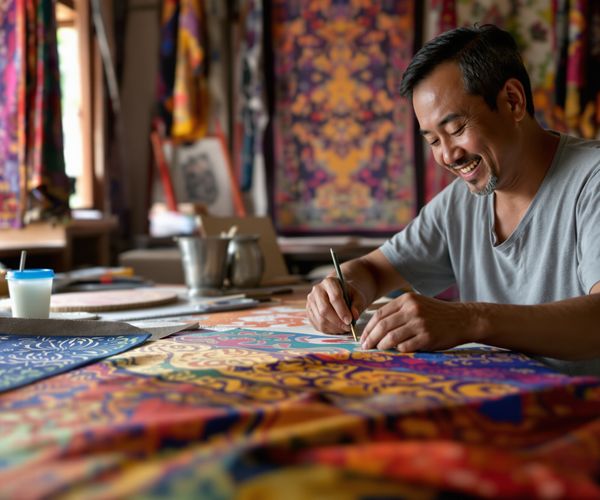
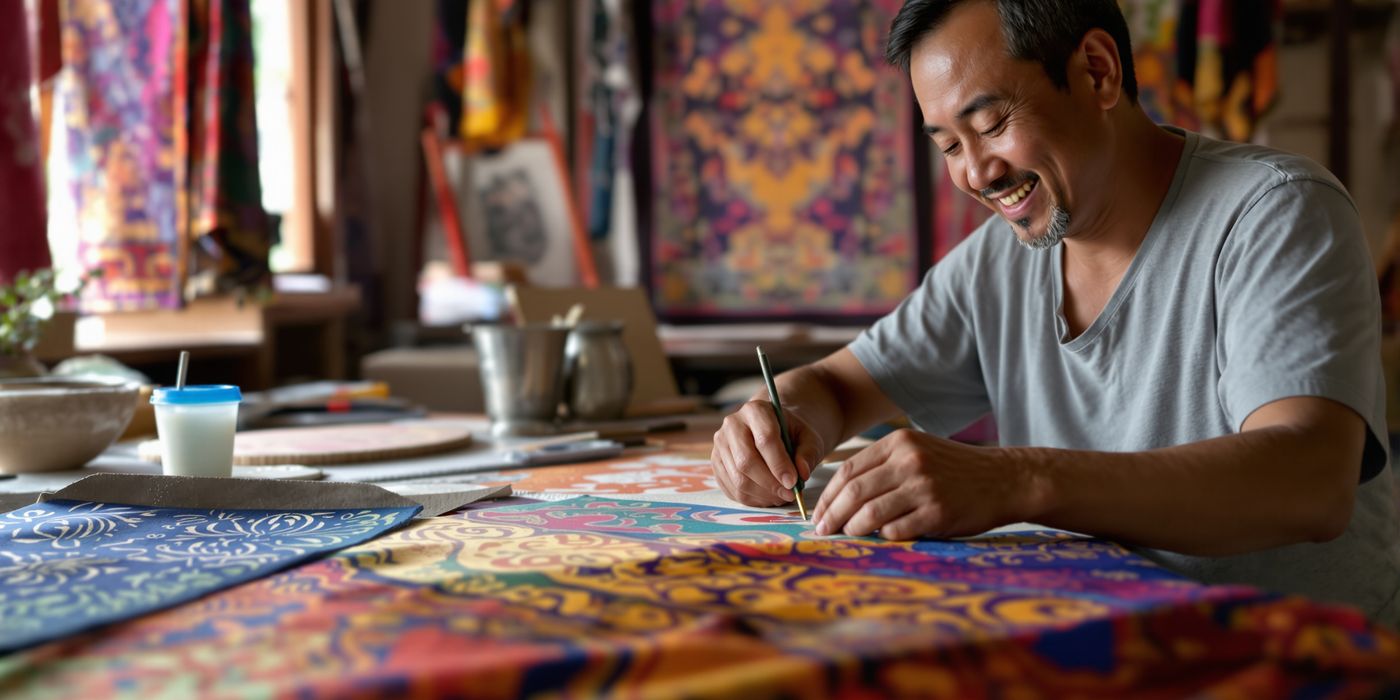
Look for opportunities for hands-on learning experiences. Interactive exhibits, workshops, and classes related to local culture and crafts can be a lot of fun and provide a deeper understanding of the destination. For example, in Bali, we took a batik-making class, and Bagus learned about this traditional Indonesian art form.
Food tours and cooking classes are another great way to learn about local cuisine and customs. Trying new foods and learning how they're made can be a fun and educational experience for the whole family. In Italy, we took a pizza-making class, and it was a delicious way to learn about Italian culture.
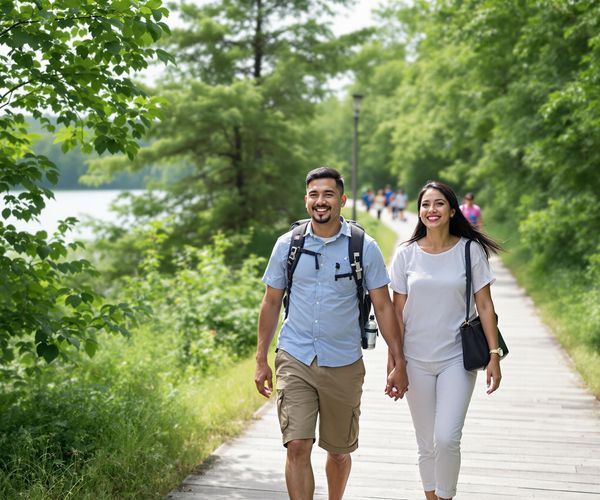
Nature walks and wildlife encounters can teach children about the environment and conservation. Visit national parks, nature reserves, or zoos. Look for opportunities to see animals in their natural habitats. Discuss the importance of protecting the environment and preserving wildlife.
Making Travel a Lifelong Learning Experience
Encourage your children to ask questions and be curious about the world around them. Answer their questions as best as you can, and if you don't know the answer, look it up together. Travel is a great way to spark curiosity and inspire a lifelong love of learning.
After the trip, take time to reflect on what you've learned. Discuss your favorite experiences, review your photos and journal entries, and talk about what you'd like to learn more about. This helps consolidate learning and reinforces the value of travel as an educational experience.
Continue learning after the trip through books, documentaries, and online resources. Visit your local library or museum. Watch documentaries about the places you've visited. Explore online resources to learn more about the topics that interest you. Learning doesn't have to stop when the trip is over.
Turn family trips into educational adventures with tips on choosing destinations, integrating learning into itineraries, and hands-on activities.