Planning a family vacation is an exciting endeavor, filled with dreams of adventure and bonding. However, ensuring the safety and well-being of your loved ones while traveling should be a top priority. As a father and seasoned traveler, I've learned that a little preparation can go a long way in preventing unforeseen issues and creating a worry-free experience for everyone. Let’s explore some essential travel safety tips for families, so you can embark on your next adventure with confidence.
Pre-Trip Planning: Laying the Groundwork for a Safe Journey
Before even packing your bags, the groundwork for a safe trip begins with thorough research and planning. Start by delving into your destination, looking beyond the tourist attractions to understand potential hazards, local customs, and the availability of emergency services. Understanding the cultural norms can prevent unintentional offenses and ensure smoother interactions with locals.
- Researching your destination for potential hazards, local customs, and emergency services.
- Checking travel advisories and government warnings.
- Ensuring all family members have valid travel documents, including passports and visas.
- Making copies of important documents (passports, insurance, itineraries) and storing them separately.
- Sharing travel plans with a trusted contact at home.
Always check travel advisories issued by your government or international organizations. These advisories provide critical information about potential risks, such as political instability, health concerns, or natural disasters. Make sure every family member has valid travel documents, including passports and any necessary visas. It’s wise to make copies of these documents, along with your insurance information and itinerary, storing them separately from the originals. In this digital age, consider saving digital copies to a secure cloud storage or emailing them to yourself.
Finally, share your detailed travel plans with a trusted contact back home. Include your itinerary, flight details, accommodation information, and any planned activities. This ensures someone is aware of your whereabouts and can assist in case of an emergency.
Health and Medical Preparedness: Prioritizing Well-being on the Road
Your family’s health should always be a primary concern, especially when traveling to unfamiliar environments. Start by scheduling a consultation with your family doctor to discuss necessary vaccinations and health precautions for your destination. They can provide personalized advice based on your family’s medical history and the specific risks associated with the region you're visiting.
- Consulting with a doctor about necessary vaccinations and health precautions.
- Assembling a comprehensive travel health kit with prescription medications, first-aid supplies, and other essentials.
- Understanding your family's health insurance coverage abroad and obtaining travel insurance.
- Identifying local medical facilities and emergency contact numbers at your destination.
- Documenting any pre-existing medical conditions or allergies for each family member.
Assemble a comprehensive travel health kit that includes all necessary prescription medications, a well-stocked first-aid kit, and any other essentials your family might need. Remember to pack enough medication to last the entire trip, plus a little extra in case of delays. Understand your family’s health insurance coverage abroad and consider obtaining travel insurance that covers medical emergencies, evacuation, and repatriation. Research local medical facilities and emergency contact numbers at your destination. Save these numbers in your phone and make sure everyone in the family knows how to access them.
Document any pre-existing medical conditions or allergies for each family member. This information can be crucial in case of a medical emergency. Consider wearing medical ID bracelets or carrying a card with this information written in both English and the local language.
Child Safety Strategies: Protecting Your Young Travelers
Traveling with children requires extra vigilance and proactive safety measures. Before you even leave home, review car seat safety guidelines and ensure proper installation, whether you're using your own car seat or renting one at your destination. Familiarize yourself with the local laws regarding car seat usage, as they may differ from those in your home country.
- Reviewing car seat safety guidelines and ensuring proper installation, whether using your own or renting one.
- Teaching children basic safety rules, such as staying together and identifying safe adults.
- Equipping children with emergency contact information and a designated meeting place in case of separation.
- Using technology, like GPS trackers or temporary tattoos with contact details, to aid in locating children if lost.
- Discussing stranger danger and appropriate responses with children.
Teach your children basic safety rules, such as staying together in crowded places and identifying safe adults, like police officers or store employees. Equip your children with emergency contact information, including your phone number, hotel address, and the phone number of your emergency contact back home. Designate a meeting place in case of separation, and make sure everyone knows how to get there.
Consider using technology to aid in locating children if they get lost. GPS trackers, smartwatches, or even temporary tattoos with contact details can be invaluable tools. Discuss stranger danger with your children and teach them appropriate responses, such as saying no, running away, and telling a trusted adult.
Emergency Preparedness: Being Ready for the Unexpected
Despite our best efforts, emergencies can still occur. Being prepared to handle unexpected situations can make all the difference. Create a family emergency communication plan, including a designated out-of-area contact. In case of a local emergency, it may be easier to reach someone outside the immediate area.
- Creating a family emergency communication plan, including a designated out-of-area contact.
- Identifying evacuation routes and safety procedures at your accommodation.
- Packing a small emergency supply kit with essentials like water, snacks, a flashlight, and a portable radio.
- Knowing how to access local emergency services (police, fire, ambulance).
- Practicing different emergency scenarios with your family, such as what to do if someone gets lost or there's a natural disaster.
Upon arrival at your accommodation, identify evacuation routes and safety procedures. Locate fire exits and emergency assembly points. Pack a small emergency supply kit with essentials like water, non-perishable snacks, a flashlight, a portable radio, and a whistle. Know how to access local emergency services, including the police, fire department, and ambulance. Save these numbers in your phone and make sure everyone in the family knows how to use them.
Practice different emergency scenarios with your family, such as what to do if someone gets lost, there's a fire, or a natural disaster occurs. This will help everyone stay calm and react effectively in a real emergency.
Accommodation and Transportation Safety: Securing Your Home Away From Home
Your accommodation and transportation choices can significantly impact your family’s safety. Upon arrival at your hotel room or rental property, inspect it for safety hazards, such as exposed wires, unlocked windows, or faulty smoke detectors. Report any issues to management immediately.
- Inspecting hotel rooms or rental properties for safety hazards, such as exposed wires or unlocked windows.
- Using travel door locks or portable safes for added security.
- Being cautious when using public transportation or ride-sharing services, verifying driver identity and sharing trip details with someone.
- Parking in well-lit areas and being aware of surroundings in parking lots.
- Following safe driving practices, including avoiding distractions and taking breaks when tired.
Consider using travel door locks or portable safes for added security. These devices can provide an extra layer of protection against unauthorized entry. Be cautious when using public transportation or ride-sharing services. Verify the driver’s identity before entering the vehicle and share your trip details with a trusted contact.
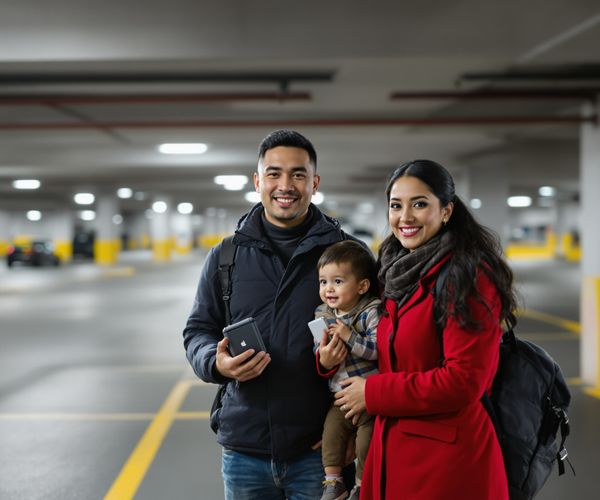
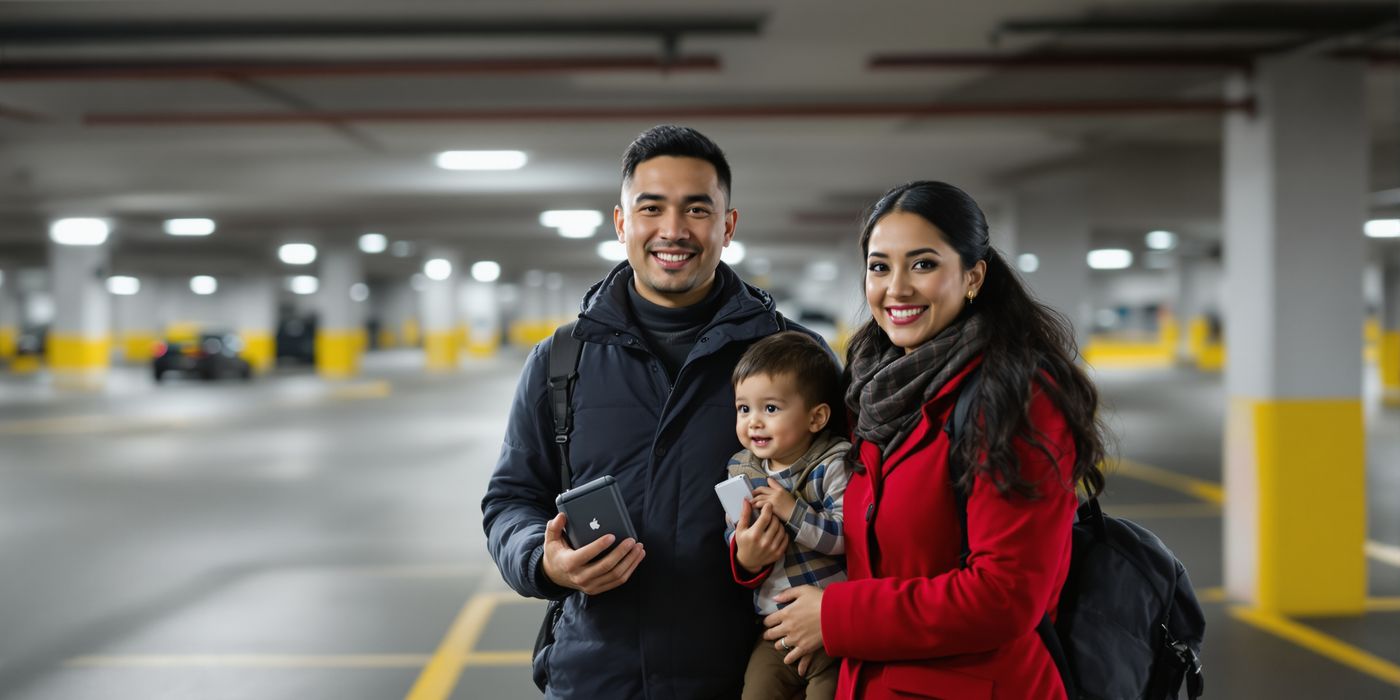
When driving, park in well-lit areas and be aware of your surroundings in parking lots. Follow safe driving practices, including avoiding distractions, obeying traffic laws, and taking breaks when tired. By taking these precautions, you can create a secure and enjoyable travel experience for your entire family.
Essential safety tips for families traveling together, ensuring peace of mind and security on your adventures.