As a software developer and a family man, I've always found joy in capturing our travel memories. Over the years, I've learned a few tricks to make our family photos more than just snapshots. Here are some tips to help you document your family adventures with ease and create lasting memories.
Choosing the Right Gear for Your Family
Selecting the right camera is the first step in capturing great travel photos. Fortunately, you have options to fit every budget and skill level.
- Smartphones: These are incredibly convenient and always with you. Modern smartphones boast impressive camera capabilities, making them perfect for casual family trips. The pros are portability and ease of use, but the cons include limited zoom and lower image quality in low light.
- Compact Cameras: A step up from smartphones, compact cameras offer better zoom and image quality. They're still relatively small and easy to carry, making them a good choice for families. They offer a good balance of features and convenience, though image quality may not match dedicated cameras.
- Mirrorless Cameras: For serious enthusiasts, mirrorless cameras provide excellent image quality and versatility. They're more expensive and require some learning, but the results are worth it. The interchangeable lenses allow for creative flexibility, but they can be bulky and expensive.
When choosing, consider models known for durability. For example, some compact cameras are waterproof and shockproof, ideal for adventurous families.
Mastering Composition: Simple Techniques for Stunning Shots
Composition is key to creating visually appealing photos. Here are a few simple techniques to elevate your family travel photography:
- Rule of Thirds: Imagine dividing your frame into nine equal parts with two horizontal and two vertical lines. Place key elements along these lines or at their intersections to create a balanced and engaging composition. For example, when photographing a landscape, position the horizon line along the top or bottom third of the frame.
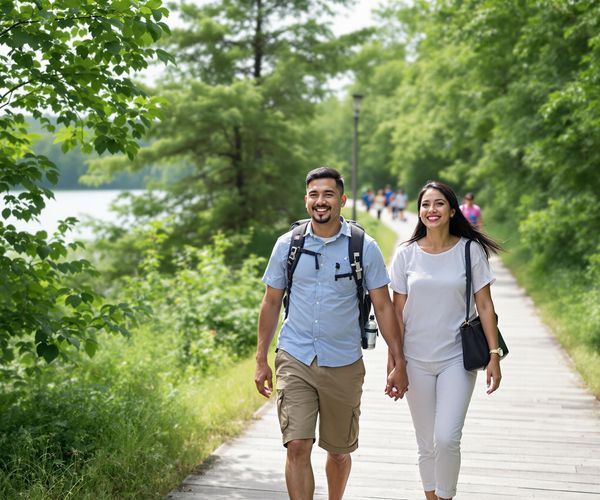
- Leading Lines: Use lines to draw the viewer's eye into the photo. Roads, rivers, or even rows of trees can serve as leading lines. When photographing your family on a path, use the path as a leading line to guide the viewer's eye toward them.
- Framing: Use elements in the foreground to frame your subject. Archways, trees, or even other family members can create a natural frame. For instance, photograph your children through an archway to add depth and interest.
Don't be afraid to experiment with different angles. Shooting from a low angle can make your subjects appear larger and more imposing, while shooting from a high angle can provide a unique perspective.
Capturing Candid Moments: The Art of Storytelling
The best travel photos tell a story. Focus on capturing genuine emotions and interactions rather than staged poses.
To capture candid shots, try to be discreet. Avoid making your presence obvious. Use a zoom lens to photograph your family from a distance, or simply blend into the background. Observe their interactions and wait for the right moment to capture a spontaneous laugh, a tender embrace, or a moment of awe.
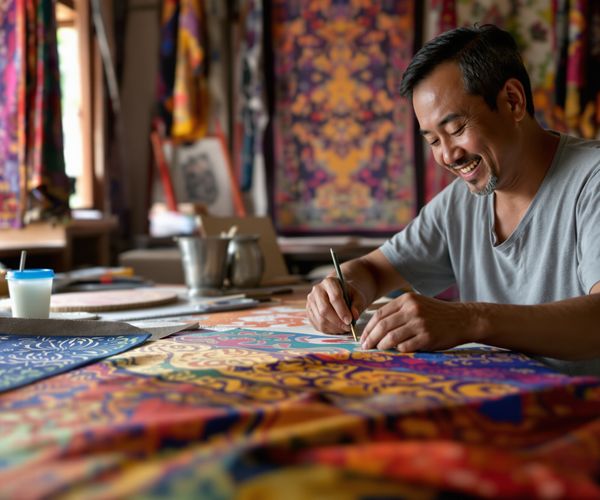
Incorporate cultural details into your photos to tell a richer story. Photograph your family interacting with locals, trying new foods, or exploring historical sites. These details will add context and depth to your memories.
Working with Natural Light: Finding the Best Lighting Conditions
Light is crucial in photography. Understanding how to work with natural light can dramatically improve your photos.
Pay attention to the direction and quality of light. Soft, diffused light is generally more flattering than harsh, direct sunlight. Overcast days can provide beautiful, even lighting, perfect for portraits.
The golden hour, the hour after sunrise and the hour before sunset, offers warm, soft light that can add a magical touch to your photos. The blue hour, the period just before sunrise and after sunset, provides cool, dreamy light that's ideal for landscapes and cityscapes.
If you're shooting in bright sunlight, try to find shade or use a diffuser to soften the light. If you're shooting in low light, use a tripod or stabilize your camera to avoid blurry photos.
Posing Tips for Natural-Looking Family Photos
Posing for photos can feel awkward, but there are ways to make it more natural and relaxed.
Avoid stiff, formal poses. Instead, encourage your family to interact with each other. Ask them to hold hands, hug, or simply walk together. Capture them in motion to create a sense of energy and spontaneity.
Use interactive poses and activities to encourage movement and laughter. Ask your children to jump, dance, or play a game. Capture their reactions and expressions as they have fun.
When working with children, be patient and flexible. Don't force them to pose if they're not in the mood. Instead, try to capture them doing what they love, whether it's playing in the sand, exploring a museum, or eating an ice cream cone.
Smartphone Photography: Getting the Most Out of Your Phone's Camera
Smartphones have revolutionized travel photography, making it easier than ever to capture memories on the go.
Explore your phone's camera settings. Many smartphones offer advanced features like HDR mode, portrait mode, and manual controls. Experiment with these features to see how they can improve your photos.
Download useful smartphone photography apps for editing and enhancing images. Apps like Snapseed, VSCO, and Adobe Lightroom Mobile offer a wide range of editing tools, allowing you to adjust exposure, contrast, and color.
Take advantage of your smartphone's portability and ease of use. Capture spontaneous moments without having to lug around a bulky camera. Use your phone to photograph details and textures that you might otherwise miss.
Preserving and Sharing Your Memories
Once you've captured your travel photos, it's important to preserve and share them in meaningful ways.
Back up your photos regularly to avoid losing them. Use cloud storage services like Google Photos or Dropbox to automatically back up your photos. Store your photos in multiple locations, such as on your computer, an external hard drive, and in the cloud.
Create photo books or online albums to showcase your travel memories. Photo books are a great way to tell a story and share your photos with family and friends. Online albums are perfect for sharing your photos on social media.
Print your photos and create tangible memories. Frame your favorite photos and display them in your home. Create a family photo album that you can look through together. Tangible memories are a great way to relive your travel experiences and share them with future generations.
Tips for families to capture memorable travel photographs, focusing on technique, composition, and storytelling.