Exploring Shirakawa-go: A Family Adventure in Japan's Historic Village
Day 2: A Day of Tradition and Tranquility in Shirakawa-go
Discover the serene beauty of Shirakawa-go with a visit to Ogimachi village, a historic shrine, and local flavors. A day of cultural immersion!

Embracing the Heart of Japan's Heritage
Today was a deep dive into the soul of rural Japan. Away from the futuristic allure of Tokyo, Shirakawa-go offered a serene escape into a world where time seems to slow down, and traditions are not relics but living, breathing parts of everyday life. It was a day filled with the beauty of gassho-zukuri farmhouses, the tranquility of ancient shrines, and the warmth of local hospitality.
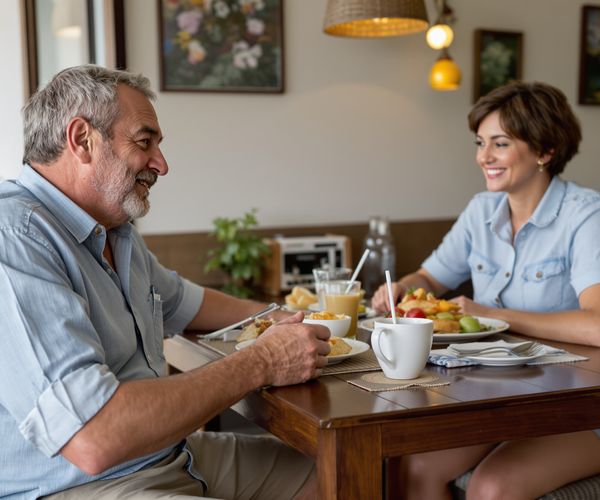
Our day began with a hearty breakfast at Hiiragi, a local restaurant known for its Hida beef and Shirakawa-go wild vegetables. I opted for a traditional Japanese breakfast set, while Klaus enjoyed a Hida beef bowl. Even Ama enjoyed the rice and miso soup. It was the perfect fuel for a day of exploring. The restaurant prides itself on using locally sourced ingredients, and you could taste the freshness in every bite.

Experience authentic Japanese cuisine at Hiiragi in Shirakawa - where tradition meets taste amidst stunning natural beauty.
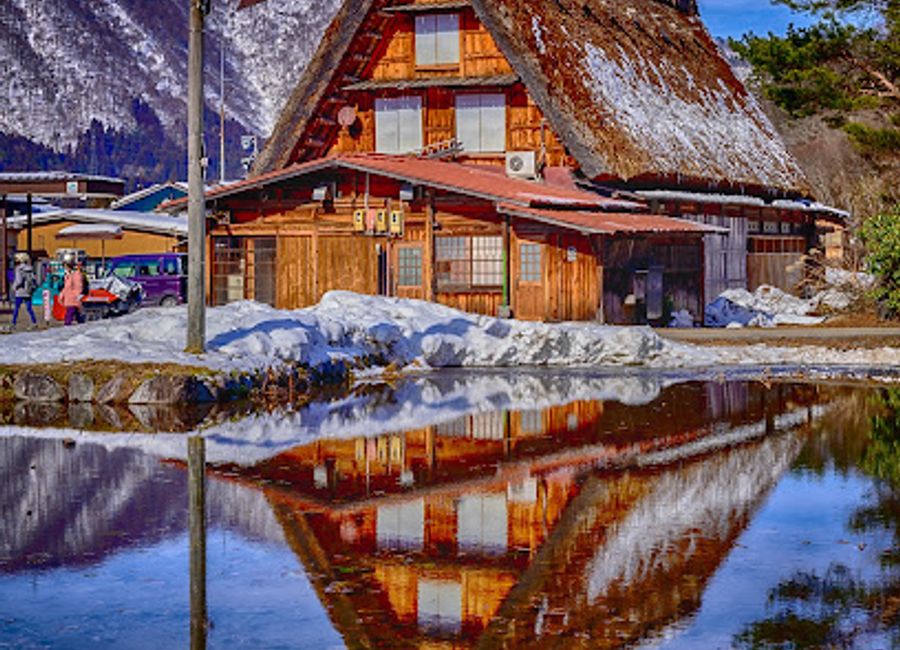
After breakfast, we set out to explore Ogimachi, the largest village in Shirakawa-go and a UNESCO World Heritage site. The village is famed for its gassho-zukuri farmhouses, whose steeply pitched thatched roofs resemble hands clasped in prayer. These architectural marvels are not just pretty; they're ingeniously designed to withstand the heavy snowfall that this region experiences during winter. Walking through Ogimachi felt like stepping back in time. Many of these farmhouses are over 250 years old.
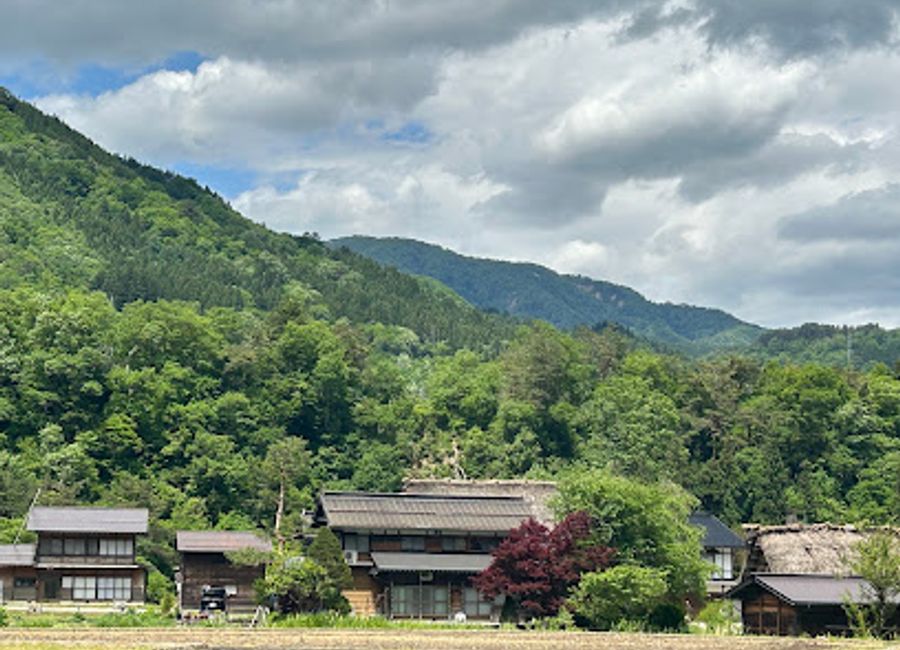
Explore the timeless beauty of Ogimachi, a UNESCO World Heritage village showcasing traditional gassho-style farmhouses in a stunning natural setting.
We strolled through the village, admiring the intricate details of the houses. Some have been converted into restaurants, museums, and minshuku (traditional guesthouses). We visited the Wada-ke House, one of the best-preserved farmhouses, now open to the public as a museum. Inside, we learned about the Wada family, who were among the wealthiest and most influential in the village. The house offered a glimpse into how families lived and worked in these unique structures, showcasing the tools, artifacts, and living spaces used by generations. Ama was fascinated by the old farming tools, and Klaus, ever the architect, was captivated by the structural design of the roof.
The beauty of Shirakawa-go lies not just in its picturesque scenery but in the enduring spirit of its people, who have preserved their traditions for centuries.
Next, we visited the Hatotani Hachiman Shrine, a serene and majestic place nestled amidst rolling hills and lush greenery. It's considered one of the oldest places of reverence in Shirakawa. As we approached the shrine, a sense of tranquility washed over us. The crisp mountain air and the gentle rustling of leaves created a peaceful atmosphere. The shrine is dedicated to Hachiman, the god of war and protector of Japan, though it's believed that the site was originally used for ancient nature worship.
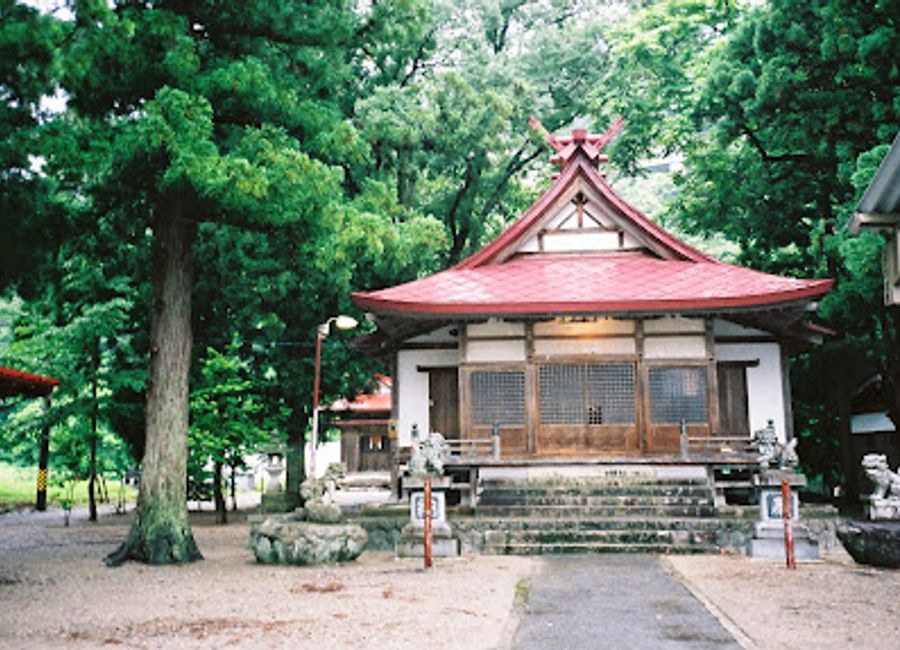
Discover tranquility at Hatotani Hachiman Shrine in Shirakawa, Gifu. Immerse yourself in nature and explore Japan's rich spiritual heritage.
Beyond the torii gate, we explored the natural features that were once integral to ancient nature worship. A rock formation in front of the worship hall served as a yorishiro, a sacred object believed to attract deities. Towering Japanese cedar trees, also considered yorishiro, stood as silent sentinels, their presence adding to the shrine's spiritual aura. We learned that the shrine only became associated with Hachiman in the 16th century when warlord families consolidated their rule in the area.
I took a moment to reflect on the history and significance of this place. It's fascinating how the shrine has evolved over time, incorporating both ancient nature worship and the more recent veneration of Hachiman. The blend of spiritual traditions speaks to the enduring connection between the Japanese people and their land.
For lunch, we headed to Soba Wakimoto, a soba restaurant known for its handmade noodles and Hida beef dishes. I ordered the Hida beef soba set, while Klaus opted for the tempura soba. Ama enjoyed a small bowl of plain soba noodles. The noodles were perfectly cooked, and the Hida beef was tender and flavorful. It was a satisfying meal that warmed us from the inside out. Soba Wakimoto uses carefully selected raw materials for their homemade noodles, serving them fresh daily. They are also known for their natural yam and Hida beef sets.

Savor authentic handmade soba noodles in Shirakawa's scenic Ogimachi village, where tradition meets breathtaking views.
After lunch, we did some shopping at Kataribe, a souvenir shop located near the Seseragi parking lot. The shop offers a variety of local products, including Hida's local sake and unique keychains. I bought a few small gifts for friends back home and a charming little bell for Ama. Kataribe aims to create a welcoming atmosphere for shoppers, offering a wide selection of souvenirs to remember their trip to Shirakawa-go.
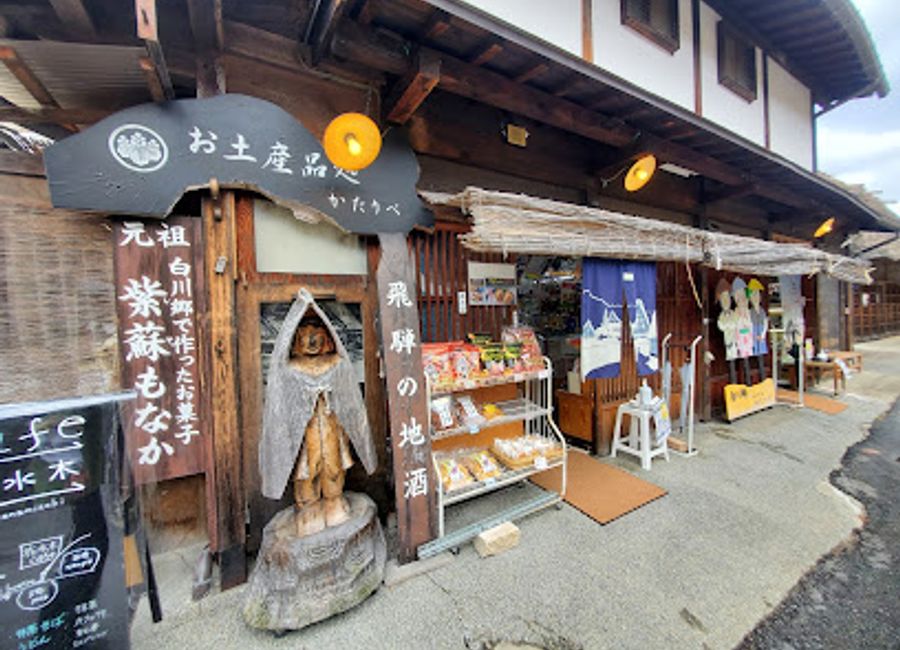
Explore Kataribe Souvenir Store in Shirakawa for authentic Japanese crafts and unique gifts that embody the spirit of traditional culture.
As the day drew to a close, we enjoyed dinner at Hakusuien, a restaurant housed in a gassho-style building. Hakusuien offers regional cuisine made with local ingredients. They are known for their *oyaji wazen*, a Japanese hot pot with bear meat, and *hoba miso wazen* with Hida beef. I chose a Hida beef set, while Klaus tried the *hoba miso wazen*. The food was hearty and comforting, the perfect way to end a day of exploring. The restaurant has been serving local dishes for over 47 years.
Experience authentic Japanese dining at Hakusuien in Shirakawa – where tradition meets taste in every dish.
The October weather in Shirakawa-go is quite pleasant, with cool, crisp air and the mountains beginning to display autumn colors. Daytime highs average around 15-18°C, but evenings can dip to 5-8°C, so a warm jacket is essential. We were lucky to have clear skies, which made the autumn foliage even more stunning.
Reflecting on the day, I'm filled with a sense of gratitude for the opportunity to experience the beauty and tranquility of Shirakawa-go. It's a place that reminds you of the importance of preserving traditions and connecting with nature. Tomorrow, we plan to visit the Shirakawago Three Houses and the Hida no Sato Open Air Museum, continuing our exploration of this fascinating region. I'm excited to see what new discoveries await us.
The Doburoku Festival is a significant event in Shirakawa-go, usually held in early to mid-October. It celebrates the local tradition of brewing unrefined sake and features folk music, dance, lion performances, and free tastings. We are a bit early for the main festivities which occur between the 14th and 19th of October, but the spirit of the upcoming festival was palpable.
I’m also mindful of the upcoming Shirakawa-go Light Up event, which usually takes place in January and February, transforming the village into a winter wonderland. Though we won’t be here for it, I’ve heard it’s a magical sight to behold.
As we settle in for the night, I can't help but feel a deep appreciation for the simple beauty of rural Japan. I am so glad we decided to come here with Ama and Klaus. It’s experiences like these that make our family trips so special and memorable.



Join us as we explore Shirakawa-go's unique Gassho-zukuri farmhouses, immersing in Japanese rural life with family adventures and cultural insights.
Meet this Featured Explorer

-
 Occupation:
Software Developer specializing in AI applications for sustainable agriculture.
Occupation:
Software Developer specializing in AI applications for sustainable agriculture.
-
 Country:
Germany
Country:
Germany
-
 Age:
27
Age:
27
Hello, fellow travelers! I'm Abena Mensah, a software developer from Ghana, currently living in Germany with my husband and daughter. My passion for sustainable living, combined with my love for exploring new cultures, has led me to create this blog. Here, I share my travel experiences, focusing on eco-conscious adventures, cultural immersion, and authentic connections with local communities. Join me as I navigate the world, one sustainable step at a time!
- Sustainable living
- African history and culture
- Technological innovation
- Global cuisine
- Photography
Find Similar Travel Diaries
Explore locations from this diary
-
合掌村 Ogimachi
Explore the timeless beauty of Ogimachi, a UNESCO World Heritage village showcasing traditional gassho-style farmhouses in a stunning natural setting.
-
Hatotani Hachiman Shrine
Discover tranquility at Hatotani Hachiman Shrine in Shirakawa, Gifu. Immerse yourself in nature and explore Japan's rich spiritual heritage.
-
Hiiragi
Experience authentic Japanese cuisine at Hiiragi in Shirakawa - where tradition meets taste amidst stunning natural beauty.
-
Soba Wakimoto
Savor authentic handmade soba noodles in Shirakawa's scenic Ogimachi village, where tradition meets breathtaking views.
-
Hakusuien
Experience authentic Japanese dining at Hakusuien in Shirakawa – where tradition meets taste in every dish.
-
Kataribe
Explore Kataribe Souvenir Store in Shirakawa for authentic Japanese crafts and unique gifts that embody the spirit of traditional culture.