A Solo Cultural Retreat in Kyoto, Japan
Day 1: Golden Reflections and Silent Stones: A Kyoto Pilgrimage Begins
Embark on a serene journey through Kyoto's iconic temples and gardens, where history and tranquility intertwine in perfect harmony.
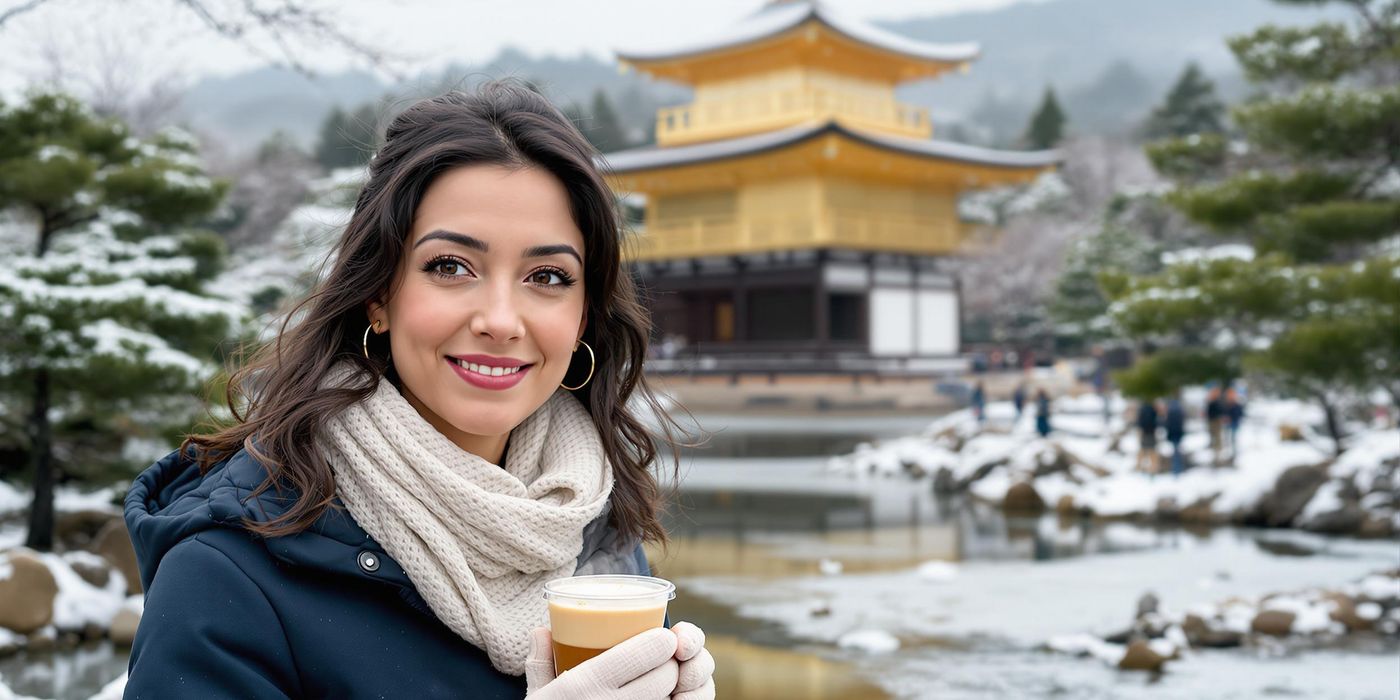
Whispers of Ancient Kyoto
My heart fluttered with anticipation as the train pulled into Kyoto Station. This solo journey, a cultural retreat in the heart of Japan, was finally underway. As a translator, I've always been fascinated by different cultures, and Kyoto, with its rich history and serene atmosphere, seemed like the perfect place for introspection and exploration. Leaving Pieter and Sofia back in Amsterdam was difficult, but I knew this trip would rejuvenate my spirit and provide fresh inspiration for my blog. After checking into The Royal Park Hotel Iconic Kyoto, I was eager to dive into the city's captivating tapestry.

Experience the perfect blend of modern comfort and traditional charm at The Royal Park Hotel Iconic Kyoto, your ideal base for exploring this historic city.
The first stop on my Kyoto adventure was Kinkaku-ji, the Golden Pavilion. As I approached the temple, the sight that unfolded before me was nothing short of breathtaking. Bathed in the soft winter sunlight, the pavilion shimmered with an ethereal glow, its golden facade reflecting perfectly on the still waters of the pond. It felt like stepping into a postcard, a scene so iconic it almost felt unreal. The history of Kinkaku-ji is as fascinating as its appearance. Originally built in 1397 as a retirement villa for Shogun Ashikaga Yoshimitsu, it was later converted into a Zen temple after his death. The temple has been rebuilt several times, most recently in 1955 after being destroyed by arson. Today, it stands as a UNESCO World Heritage Site, a testament to Kyoto's enduring cultural heritage.

Explore Kinkaku-ji, the breathtaking Golden Pavilion in Kyoto, where history and nature blend beautifully in a tranquil setting.
Wandering through the meticulously landscaped gardens surrounding the Golden Pavilion, I felt a sense of peace wash over me. The gentle rustling of the wind through the pine trees, the soft chirping of birds, and the distant sound of temple bells created a symphony of tranquility. I paused to admire the Anmintaku Pond, said to never dry up, and watched as visitors tossed coins at the statues, hoping for good luck. Although I am not particularly superstitious, I found myself tossing a coin as well, whispering a silent wish for health and happiness for my family back home. The architecture seamlessly blends different styles: the shinden-zukuri style of the Heian aristocracy on the first floor, the warrior aristocrat buke-zukuri style on the second, and a Zen temple style on the third.
The beauty of Kinkaku-ji lies not only in its golden exterior but also in the sense of serenity and timelessness it evokes.
Leaving the dazzling Golden Pavilion behind, I journeyed to Ryoan-ji Temple, home to Japan's most famous rock garden. After the visual extravagance of Kinkaku-ji, the understated elegance of Ryoan-ji was a welcome contrast. The garden consists of a rectangular plot of pebbles surrounded by low earthen walls, with fifteen rocks laid out in small groups on patches of moss. Its origins remain a mystery, adding to its enigmatic allure. The garden is designed so that from any vantage point, at least one of the rocks is always hidden from view. This subtle detail sparked my curiosity and invited contemplation. What did the garden represent? Was it a tiger carrying cubs across a pond, as some believe, or an abstract concept like infinity? As I sat on the veranda, gazing at the silent stones, I realized that the meaning of the garden was not something to be deciphered but something to be experienced. It was a mirror reflecting my own thoughts and emotions, inviting me to find peace and clarity within myself. The garden embodies the Zen principles of simplicity, suggestion, and irregularity, encouraging meditative reflection.

Discover the tranquil beauty of Ryōan-ji in Kyoto, a renowned Zen temple known for its iconic rock garden and rich cultural heritage.
My final temple visit of the day was to Ninna-ji Temple, a World Heritage Site founded in 888 CE by Emperor Uda. The temple's history is intertwined with the imperial family, as it traditionally served as a residence for members of the Imperial family who entered the priesthood. Ninna-ji exudes a sense of quiet dignity, its traditional architecture and serene gardens offering a glimpse into Japan's imperial past. The temple was destroyed by fire in 1467 during the Ōnin War but was rebuilt in the early 17th century. The buildings include the Kondo Hall, a National Treasure, and the five-story pagoda, an Important Cultural Property.

Discover the tranquility and beauty of Ninna-ji Temple, a UNESCO World Heritage Site in Kyoto, showcasing stunning architecture and serene gardens.
As I wandered through the temple grounds, I was particularly drawn to the Omuro cherry trees, a grove of late-blooming dwarf cherry trees that are a beloved symbol of Ninna-ji. Although it was January and the cherry blossoms were still months away, I could imagine the beauty of the temple in springtime, when the delicate pink blossoms would create a stunning contrast against the temple's ancient architecture. I made a mental note to return to Kyoto in April to witness this spectacle for myself.
With my mind and spirit nourished by the temples, it was time to nourish my body as well. For breakfast, I enjoyed a traditional Japanese meal at Kizahashi, located in The Thousand Kyoto hotel. The restaurant is known for its high-quality ingredients and beautiful presentation. For lunch, I ventured to Jiki Miyazawa, a Michelin-starred kappo restaurant that offers a modern take on traditional Kyoto cuisine. The intimate setting and creative dishes made for a memorable dining experience. I savored the seasonal ingredients and innovative flavors, feeling grateful for the opportunity to experience Kyoto's culinary artistry. The sesame tofu and freshly cooked rice are highly recommended.

Experience authentic Japanese cuisine at Kizahashi in Kyoto, where seasonal ingredients meet traditional artistry in every dish.

Indulge in an authentic Kaiseki dining experience at Jiki Miyazawa, where seasonal flavors meet exquisite presentation in the heart of Kyoto.
As evening approached, I made my way to Gion, Kyoto's geisha district, for dinner at Gion Nanba, a Michelin one-star kaiseki restaurant tucked away in a quiet alley. The restaurant is known for its elegant and sophisticated dishes that make use of seasonal ingredients. Each dish was a work of art, a testament to the chef's skill and creativity. The atmosphere was calm and quiet, perfect for savoring the exquisite flavors and reflecting on the day's experiences. The restaurant uses only seasonal ingredients from Japan to make all of their dishes, cooked without adding any forced seasoning, so that you can taste the flavor of the ingredients as they are.

Discover authentic kaiseki cuisine at Gion Nanba, where tradition meets taste in Kyoto's historic Gion district.
Before heading back to the hotel, I stopped by the Kyoto Crafts Store, eager to find a unique souvenir to remind me of my first day in Kyoto. The store offered a wide array of traditional Japanese handicrafts, from delicate ceramics to intricate wood carvings. I spent some time admiring the Kyo Zogan, a traditional technique used to decorate the swords of Japanese warriors, and the Kyo-koma, spinning tops made by a local craftsman. Finally, I settled on a beautiful woodblock print depicting Kinkaku-ji, a perfect memento of my day exploring Kyoto's golden temples and serene gardens.

Explore the essence of Kyoto's artistry at the Kyoto Crafts Store, where traditional handicrafts meet contemporary charm.
As I walked back to the hotel, the city lights twinkled around me, casting a magical glow on the ancient streets. I felt a sense of contentment wash over me, a feeling of being exactly where I was meant to be. My first day in Kyoto had been a journey of discovery, a pilgrimage to temples and gardens that whispered stories of the past while inviting contemplation of the present. I couldn't wait to see what tomorrow would bring, as I planned to visit the Fushimi Inari Shrine with its thousands of torii gates, Tofuku-ji Temple, and Sanjusangendo Temple. I also planned to visit L'Escamoteur bar in the evening. I knew that Kyoto had much more to offer, and I was eager to explore its hidden corners and uncover its many secrets.
Back at the hotel, I opened my travel journal and began to write, capturing the memories and emotions of the day. As I wrote, I realized that this solo journey was not just a vacation but a quest for inspiration, a search for beauty, and a celebration of the human spirit. And as I drifted off to sleep, I knew that Kyoto would leave an indelible mark on my heart, a golden reflection that would shimmer in my memories for years to come.
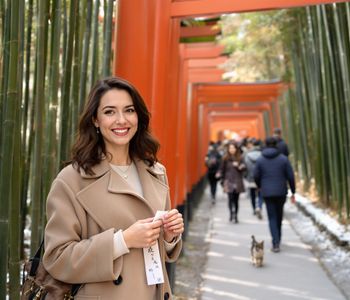
Explore the rich history and serene beauty of Kyoto on a solo adventure, blending cultural immersion with relaxation.
Meet this Featured Explorer

-
 Occupation:
Freelance Translator and Travel Blogger
Occupation:
Freelance Translator and Travel Blogger
-
 Country:
Netherlands
Country:
Netherlands
-
 Age:
42
Age:
42
Hello there! I'm Andreea, a travel blogger and freelance translator originally from the charming medieval town of Sighisoara, Romania. Now, I call Amsterdam home, where I live with my wonderful husband, Pieter, and our curious daughter, Sofia. My blog is a space where I share my passion for exploring new cultures, uncovering historical sites, and embracing sustainable travel. Whether I'm cycling through Amsterdam's canals, cooking traditional Romanian dishes with a Dutch twist, or embarking on a new adventure with my family, I'm always seeking authentic and enriching experiences. Join me as I blend historical facts with personal anecdotes, offering practical tips and insights to inspire your own travel adventures!
- History
- Linguistics
- Cultural Anthropology
- Photography
- Sustainable Living
Find Similar Travel Diaries
Explore locations from this diary
-
The Royal Park Hotel Iconic Kyoto
Experience the perfect blend of modern comfort and traditional charm at The Royal Park Hotel Iconic Kyoto, your ideal base for exploring this historic city.
-
Kinkaku-ji
Explore Kinkaku-ji, the breathtaking Golden Pavilion in Kyoto, where history and nature blend beautifully in a tranquil setting.
-
Ryōan-ji
Discover the tranquil beauty of Ryōan-ji in Kyoto, a renowned Zen temple known for its iconic rock garden and rich cultural heritage.
-
Ninna-ji Temple
Discover the tranquility and beauty of Ninna-ji Temple, a UNESCO World Heritage Site in Kyoto, showcasing stunning architecture and serene gardens.
-
Kizahashi
Experience authentic Japanese cuisine at Kizahashi in Kyoto, where seasonal ingredients meet traditional artistry in every dish.
-
Jiki Miyazawa
Indulge in an authentic Kaiseki dining experience at Jiki Miyazawa, where seasonal flavors meet exquisite presentation in the heart of Kyoto.
-
Gion Nanba
Discover authentic kaiseki cuisine at Gion Nanba, where tradition meets taste in Kyoto's historic Gion district.
-
Kyoto Crafts Store
Explore the essence of Kyoto's artistry at the Kyoto Crafts Store, where traditional handicrafts meet contemporary charm.