Solo Adventure through Kanazawa's Historical and Cultural Gems
Day 9: Journey to the Heart of Tradition: Exploring Shirakawa-go and Gokayama
Discover the UNESCO World Heritage sites of Shirakawa-go and Gokayama, and immerse yourself in Japan's timeless beauty and cultural heritage.
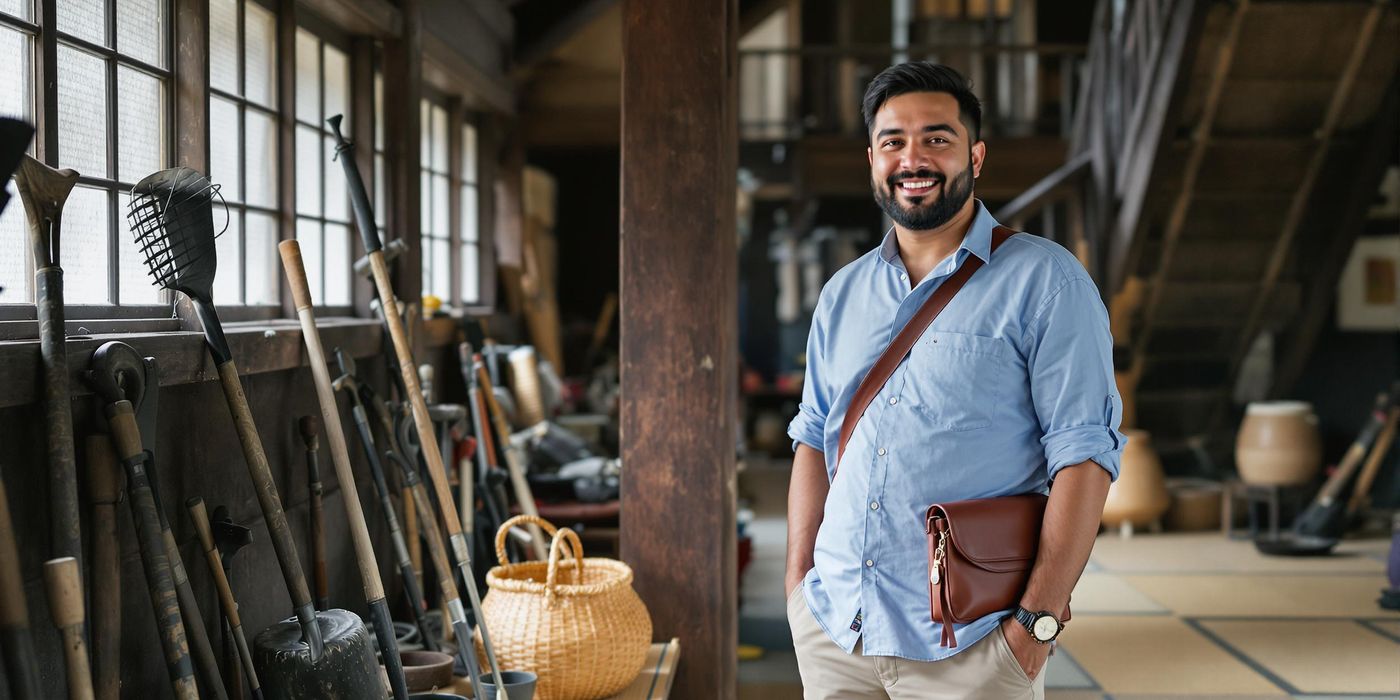
Whispers of the Past in Mountain Villages
Today was like stepping into a living postcard, a journey back in time to experience the serene beauty and rich history of Shirakawa-go and Gokayama. Leaving Kanazawa behind for a day, I ventured into the heart of the Japanese Alps, eager to witness the famed gassho-zukuri farmhouses and understand the traditions that have shaped these unique communities. I packed my camera, a sense of adventure, and a healthy appetite, ready for whatever the day might bring.
The morning started with a scenic bus ride from Kanazawa, the landscape gradually transforming from urban sprawl to rolling hills and verdant rice paddies. The air grew crisper, carrying the scent of pine and damp earth, a welcome change from the city. My destination was Shirakawa-go, a village renowned for its gassho-zukuri farmhouses, whose steeply pitched roofs resemble hands clasped in prayer. I’d seen countless photos, but nothing could have prepared me for the sheer charm of the place.
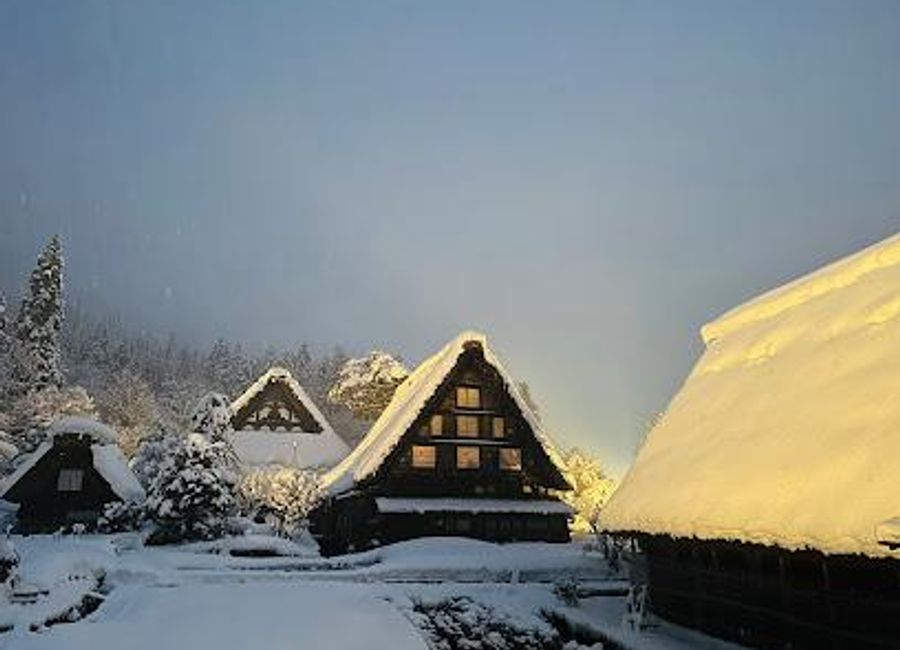
Explore Shirakawa-go: A UNESCO Heritage Site with captivating gassho-zukuri houses and breathtaking views of the Japanese Alps, perfect for cultural immersion.
As the bus pulled into the village, I was immediately struck by the idyllic setting. The gassho-zukuri houses, with their distinctive A-frame roofs, dotted the landscape like giant origami creations. Surrounded by lush green fields and backed by towering mountains, the village exuded a sense of tranquility and timelessness. It felt a world away from the bustling streets of Tokyo or even the refined elegance of Kanazawa. It reminded me a bit of the landscapes back in Jujuy, where the mountains meet the valleys in such a harmonious way.
I started my exploration with a leisurely stroll through the village, camera in hand, capturing the picturesque scenes. The gassho-zukuri houses were even more impressive up close, their massive wooden beams and thatched roofs testaments to the ingenuity and craftsmanship of the villagers. Many of the houses are centuries old, passed down through generations, each one a living museum of local history and culture. I learned that the unique roof design is not just for aesthetic appeal; it’s perfectly suited to withstand the heavy snowfall that blankets the region each winter. The steep pitch allows the snow to slide off easily, preventing the roofs from collapsing under the weight. Smart, right?
I popped into one of the farmhouses that had been converted into a museum. Inside, I discovered fascinating exhibits showcasing the traditional way of life in Shirakawa-go. From farming tools and household implements to displays of local crafts and customs, the museum offered a glimpse into the daily lives of the villagers throughout history. I learned about the importance of rice cultivation, silk production, and the unique social structure of the community. It was like stepping back in time, connecting with a way of life that has largely disappeared in the modern world.
After immersing myself in the history of Shirakawa-go, my stomach started to rumble. Time for lunch! I decided to try some local cuisine, opting for a traditional soba noodle dish at one of the village's charming restaurants. The noodles were handmade, with a delightful chewy texture and a subtle nutty flavor. They were served in a savory broth with fresh vegetables and a sprinkle of nori seaweed. Simple, yet incredibly satisfying. Looking through some restaurant options, I saw places like Kyoshu, Morizen, and Gassho that seemed promising, but I was happy with my choice. It reminded me of Lena's attempts to make traditional German dishes – always a comforting experience, even when the results are… interesting.
With a full belly and a happy heart, I hopped on another bus, this time heading to Gokayama, another UNESCO World Heritage site known for its gassho-zukuri villages. While Shirakawa-go is the more famous and popular destination, Gokayama offers a more intimate and less crowded experience. It's divided into two main areas: Suganuma and Ainokura, each with its own unique charm.
I chose to visit the World Heritage Suganuma Gassho-zukuri Village, a smaller and more secluded settlement nestled in a narrow valley. As I wandered through the village, I felt an even stronger sense of connection to the past. The gassho-zukuri houses here were fewer in number but equally impressive, their weathered wooden facades and moss-covered roofs whispering tales of generations gone by. The village was quieter than Shirakawa-go, with fewer tourists and a more relaxed atmosphere. It felt like I had stumbled upon a hidden gem, a secret sanctuary where time stood still.
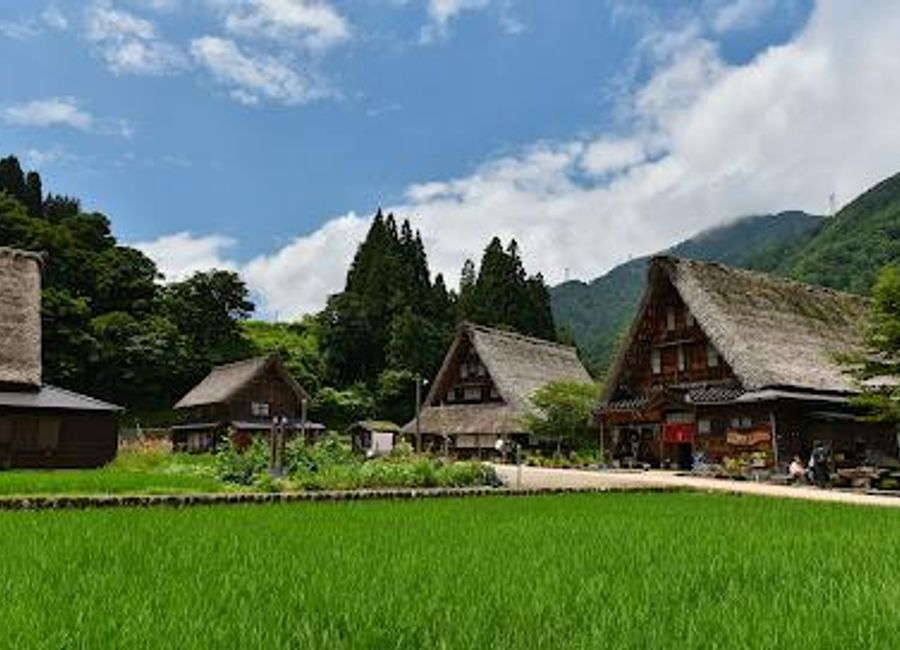
Explore Suganuma Gassho-zukuri Village, a UNESCO World Heritage site showcasing traditional Japanese architecture in the stunning Toyama mountains.
“The best journey takes you home, even if it’s just to a place you’ve never been before.”
One of the highlights of my visit to Suganuma was exploring the local museums. I visited the Saltpeter Museum, which tells the story of the village’s unique history of saltpeter production, an essential ingredient in gunpowder. I learned that the villagers of Gokayama were once skilled artisans in the production of saltpeter, supplying the powerful Kaga clan with this valuable resource. It was fascinating to discover this unexpected connection to the world of samurai and feudal lords.
I also explored the Gokayama Folk Museum, housed in a traditional gassho-zukuri farmhouse. The museum showcased a diverse collection of artifacts and exhibits related to the local culture and history. From traditional clothing and textiles to farming implements and religious objects, the museum offered a comprehensive overview of the Gokayama way of life. It was a great reminder of how resourceful people can be when living in harmony with nature.
As the afternoon drew to a close, I decided to treat myself to a snack at one of the local shops. I found a charming little place selling goheimochi, a grilled rice cake brushed with a sweet and savory miso glaze. It was the perfect pick-me-up after a long day of exploring, and the warm, chewy texture was incredibly comforting. Sipping on some green tea, I sat on a bench overlooking the village, soaking in the last rays of sunshine and reflecting on my experiences.
The bus ride back to Kanazawa was filled with a sense of contentment and gratitude. I had witnessed the beauty and resilience of these remote mountain communities, learned about their unique history and culture, and connected with a way of life that values simplicity, harmony, and tradition. It was a day that would stay with me long after I left Japan, a reminder of the importance of preserving our cultural heritage and cherishing the simple things in life.
Back in Kanazawa, I decided to try a few local restaurants that were on my list. First, I headed to Curio Espresso and Vintage Design Café. I had heard great things about their coffee and sandwiches, and I was in need of a caffeine fix. The café was cozy and inviting, with a quirky mix of vintage décor and a friendly atmosphere. Run by a couple, one from Seattle and the other Japanese, Curio offered a unique blend of American and Japanese hospitality. I ordered a latte and a pulled pork sandwich, and both were excellent. The coffee was rich and flavorful, and the sandwich was packed with tender, juicy pork and a tangy chili sauce. It was a perfect combination of comfort food and international flair. I can see why people rave about their vegan options and the friendly service!
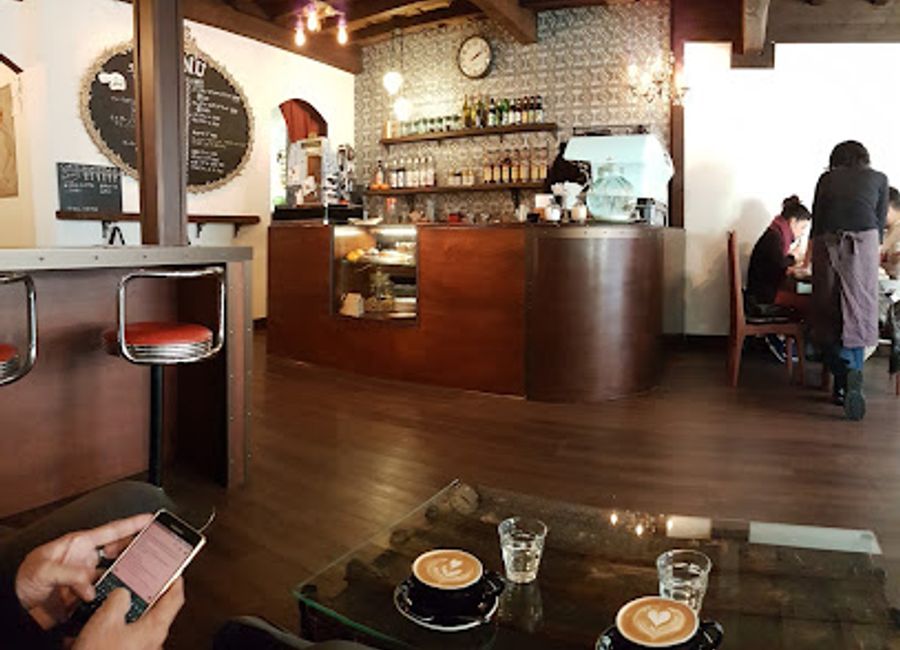
Experience the charm of Curio Espresso and Vintage Design Café in Kanazawa – where delicious brunch meets vintage vibes.
For dinner, I chose Kagaya Kanazawa, a restaurant known for its traditional Kaga cuisine. Located in the Kanazawa Station shopping mall, it was a convenient choice after a long day of travel. I ordered the Kagaya Gozen, a set meal that included sashimi, fried foods, and rice with small fish. The presentation was beautiful, and the food was delicious. The sashimi was incredibly fresh, the fried foods were crispy and light, and the rice was perfectly cooked. It was a great way to sample a variety of local specialties. I saw they also offered Jibuni, a local duck stew, which I'll have to try next time. It was a bit more upscale than what I usually go for, but it was a nice treat.
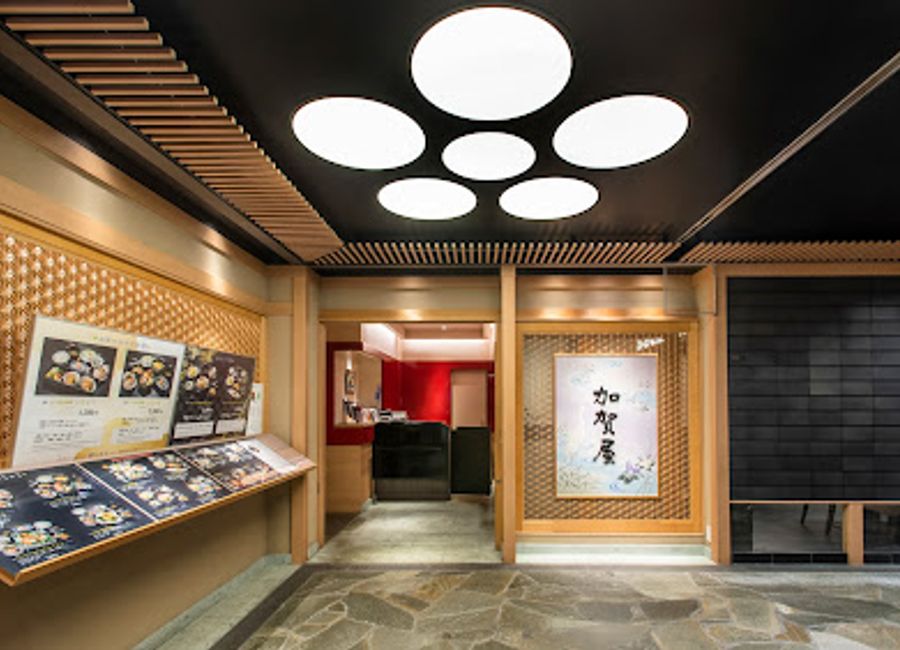
Discover authentic Japanese cuisine at Kagaya Kanazawa – where seasonal flavors meet exquisite presentation in every dish.
Finally, I couldn't resist a late-night snack at Akadama Honten, a popular oden restaurant in Kanazawa. Oden is a traditional Japanese dish consisting of various ingredients simmered in a light, soy-flavored broth. Akadama Honten is known for its authentic oden and cozy atmosphere. I ordered a selection of oden ingredients, including daikon radish, fish cakes, and boiled eggs. The oden was warm and comforting, perfect for a chilly evening. The broth was flavorful and delicate, and the ingredients were perfectly cooked. It was a great way to end the day, savoring the simple pleasures of Japanese cuisine.
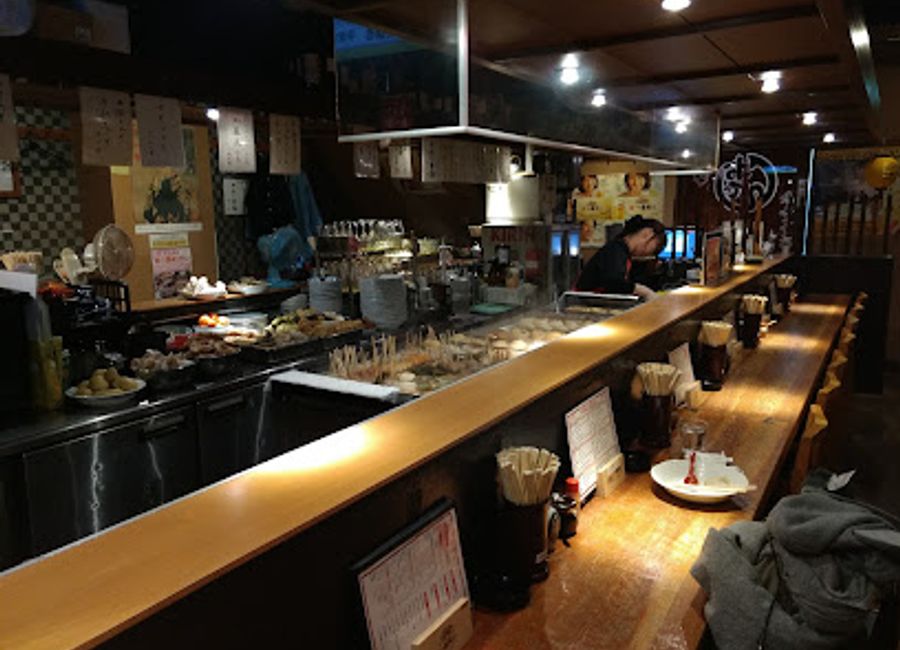
Experience authentic Japanese oden at Akadama Honten in Kanazawa—where tradition meets flavor in every dish.
Tomorrow, I plan to explore more of Kanazawa, starting with the D.T. Suzuki Museum and the Kaga-Yuzen Kimono Center. I might even check out ZOWIE, a local bar, for a nightcap. But for now, it’s time to rest and recharge, ready for another day of adventure.
As I head back to HOTEL MYSTAYS Kanazawa Katamachi, I can't help but think about how much this trip has enriched my perspective. It's not just about seeing new places, but about understanding the stories behind them, the traditions that shape them, and the people who call them home. I'm already looking forward to sharing more of these experiences with Lena and Mateo, and maybe even trying to recreate some of these dishes back in Berlin. Until then, it's oyasumi nasai from Kanazawa. Perhaps Mateo would enjoy the gold leaf workshop at Kinpakuya Sakuda Head Shop & Workshop someday, I´m sure he will make a mess, but a shiny one!

Experience the charm of Kanazawa with HOTEL MYSTAYS Kanazawa Katamachi, where comfort meets convenience just steps from top attractions.
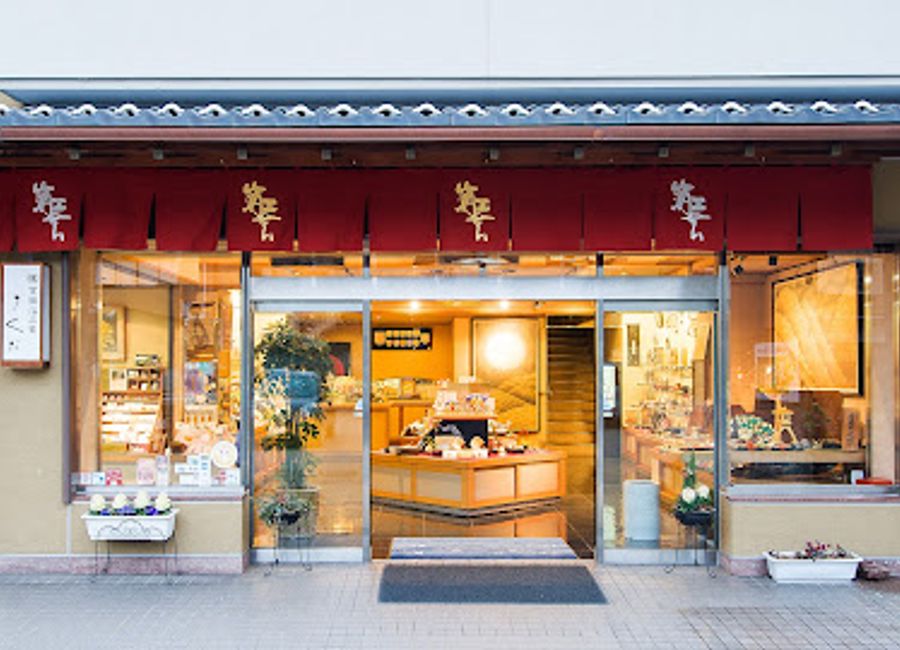
Explore exquisite gold leaf artistry and unique gifts at Kinpakuya Sakuda in Kanazawa's historic Higashiyama district.
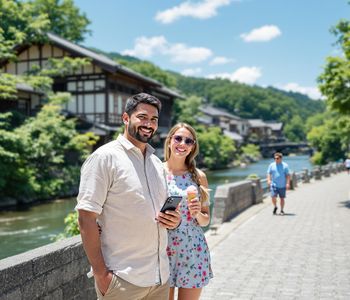

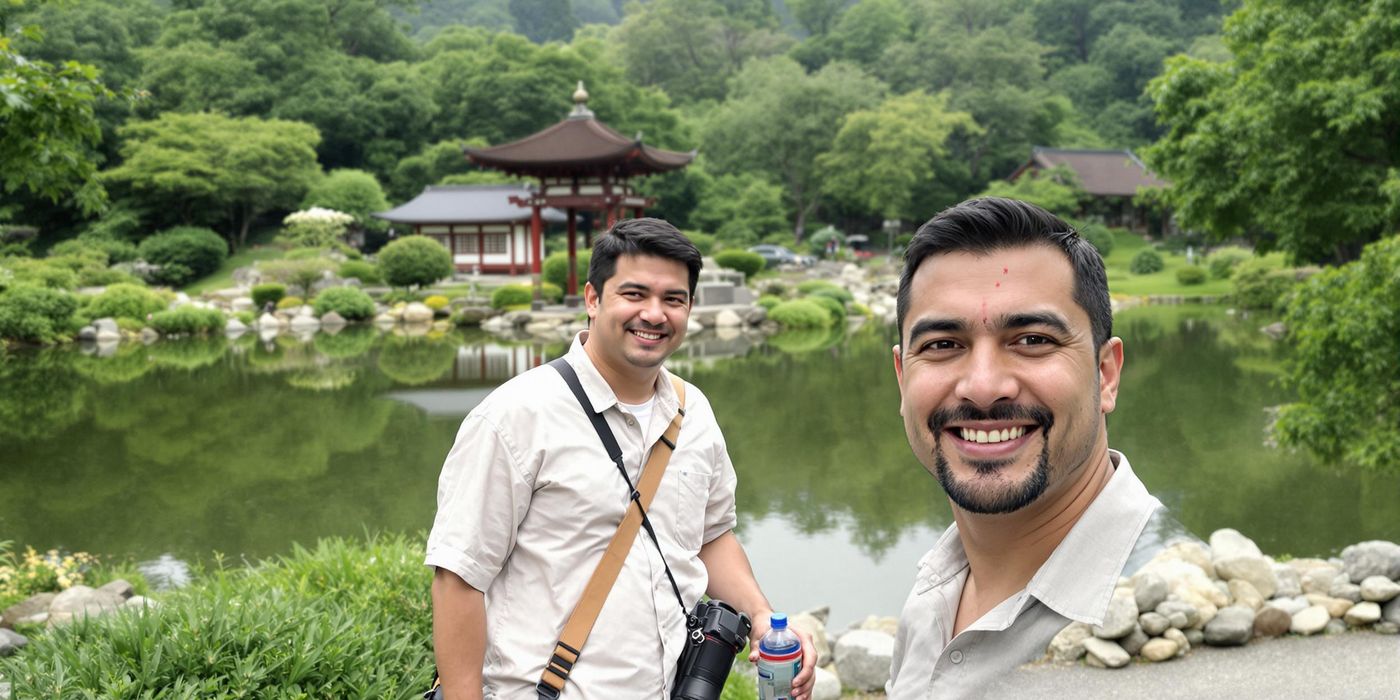
Explore Kanazawa's rich history and vibrant culture on a solo journey filled with Edo-era charm, art, and culinary delights.
Meet this Featured Explorer

-
 Occupation:
Chef at a Argentinian Steakhouse
Occupation:
Chef at a Argentinian Steakhouse
-
 Country:
Germany
Country:
Germany
-
 Age:
38
Age:
38
Hola, fellow travelers! I'm Carlos, an Argentinian chef living in Berlin, and the voice behind 'Tango & Travel.' I'm passionate about sharing my love for food, culture, and adventure with you. Join me as I explore the world, one delicious bite and breathtaking view at a time. Whether it's discovering hidden gems in Berlin or revisiting the vibrant landscapes of Argentina, I'm always seeking new experiences to share with my family and my readers.
Find Similar Travel Diaries
Explore locations from this diary
-
HOTEL MYSTAYS Kanazawa Katamachi
Experience the charm of Kanazawa with HOTEL MYSTAYS Kanazawa Katamachi, where comfort meets convenience just steps from top attractions.
-
Shirakawa-go
Explore Shirakawa-go: A UNESCO Heritage Site with captivating gassho-zukuri houses and breathtaking views of the Japanese Alps, perfect for cultural immersion.
-
World Heritage Suganuma Gassho-zukuri Village
Explore Suganuma Gassho-zukuri Village, a UNESCO World Heritage site showcasing traditional Japanese architecture in the stunning Toyama mountains.
-
Curio Espresso and Vintage Design Café
Experience the charm of Curio Espresso and Vintage Design Café in Kanazawa – where delicious brunch meets vintage vibes.
-
Kagaya Kanazawa
Discover authentic Japanese cuisine at Kagaya Kanazawa – where seasonal flavors meet exquisite presentation in every dish.
-
Akadama Honten
Experience authentic Japanese oden at Akadama Honten in Kanazawa—where tradition meets flavor in every dish.
-
Kinpakuya Sakuda Head Shop & Workshop
Explore exquisite gold leaf artistry and unique gifts at Kinpakuya Sakuda in Kanazawa's historic Higashiyama district.