Exploring the Cultural Tapestry of Kyoto
Day 4: A Day of Serenity in Arashiyama: Bamboo Forests and Ancient Temples
Lost in the tranquil beauty of Arashiyama, exploring bamboo paths and serene temples. A peaceful escape in Kyoto's captivating landscapes.

Whispers of the Bamboo Grove
Today, I ventured into the enchanting district of Arashiyama, a place where nature and history intertwine to create an atmosphere of profound tranquility. It was a day filled with the rustling whispers of bamboo, the solemn beauty of ancient temples, and the quiet joy of discovery. As an archivist, I am always drawn to places where the past feels palpable, and Arashiyama certainly did not disappoint.
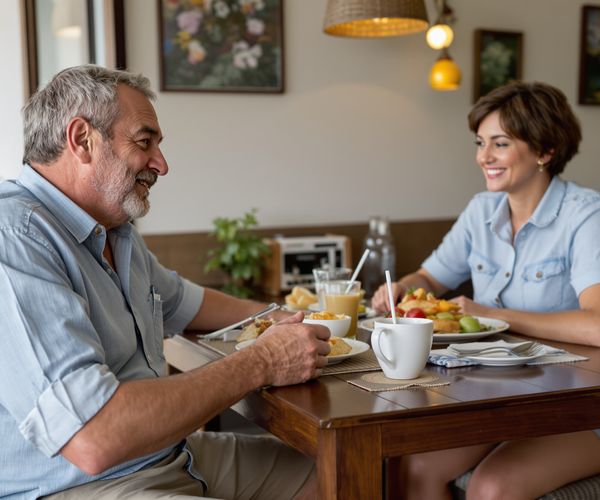
My day began with an early breakfast at Kyoto cuisine Hanasaki Nishikiten. The restaurant exuded the style of an old townhouse, a quiet space that allowed me to ease into the day. The meal was delicious, featuring Kyoto seasonal vegetables. It was a perfect start before heading out to Arashiyama.
Discover authentic Kyoto cuisine at Hanasaki Nishikiten—where tradition meets culinary artistry in every exquisite dish.

Arashiyama is located on the western outskirts of Kyoto and has been a popular destination since the Heian Period. The weather was cool, with temperatures in the mid-40s Fahrenheit, and the sky was overcast. I was grateful for my umbrella as I made my way to the main attraction: the Arashiyama Bamboo Grove.
Immerse yourself in the serene beauty of Bamboo Path (Take-no-michi) in Muko, Kyoto, where nature and tranquility meet.
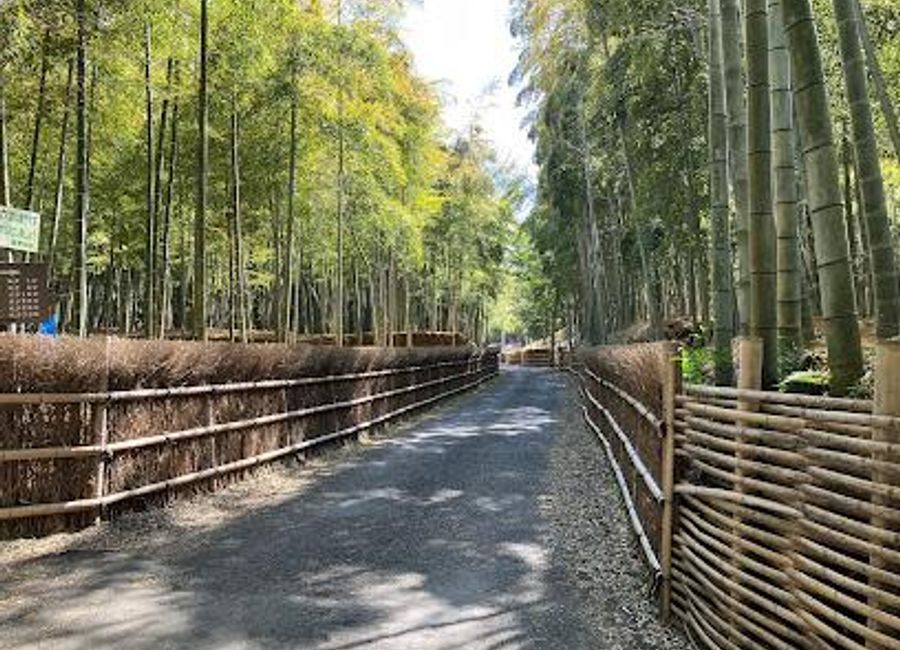
The bamboo grove was even more magical than I had imagined. Towering stalks of bamboo stretched towards the sky, creating a cathedral of green. The sunlight filtered through the dense canopy, casting dappled shadows on the path. As I walked deeper into the grove, the sounds of the city faded away, replaced by the gentle rustling of bamboo leaves in the breeze. It was an ethereal experience, almost as if I had stepped into another world.
The atmosphere is restful and almost magical, with the sun's rays filtering through the bamboo stalks.
The Arashiyama Bamboo Grove, also known as Sagano Bamboo Forest, is located along the Katsura River. It is a relatively short walk of about 500 meters, but the experience is truly memorable. The grove is open 24 hours a day, and while some suggest visiting early in the morning to avoid crowds, I found that even with other visitors, the grove maintained its serene atmosphere. The Japanese Ministry of the Environment has even recognized the grove for its soundscapes, which contribute to the calming experience.
After immersing myself in the bamboo forest, I made my way to Tenryu-ji Temple, a short walk away. Founded in 1339 by the ruling shogun Ashikaga Takauji, Tenryu-ji is the most important temple in Arashiyama and is ranked among Kyoto's five great Zen temples. It was built to honor Emperor Go-Daigo, and its history is intertwined with political and spiritual events of the time.
Explore the serene beauty and rich history of Tenryu-ji, a UNESCO World Heritage Buddhist temple in Kyoto, Japan. A cultural gem for every traveler.

The temple has been ravaged by fires over the centuries, with major conflagrations in 1445 and 1468. Despite these setbacks, the temple has been rebuilt and restored, with many of the current halls dating back to the Meiji Period. Tenryu-ji is a UNESCO World Heritage Site. I was eager to explore its grounds and learn more about its significance.
I entered through the main gate and was immediately struck by the temple's serene beauty. The buildings were surrounded by meticulously manicured gardens, with carefully placed stones, moss, and pine trees. I wandered through the main hall, admiring the intricate wooden carvings and the peaceful atmosphere. Inside the Hojo, I saw an image of Shakyamuni Buddha, which has been designated as an Important Cultural Property. The Buddha sat on the altar, surrounded by a peaceful atmosphere that encouraged introspection. I lit a stick of incense and offered a silent prayer for peace and well-being.
The gardens at Tenryu-ji are particularly noteworthy, as they have survived in their original form since they were created by the famous garden designer Muso Soseki. The landscape garden features a central pond surrounded by rocks and the forested Arashiyama mountains. The technique of incorporating the surrounding landscape into the garden design is known as shakkei, or borrowed scenery. I spent a considerable amount of time wandering through the gardens, admiring the views and soaking in the tranquility. The garden blends aristocratic tradition and Zen culture.
Leaving Tenryu-ji, I felt a sense of peace and rejuvenation. I decided to have lunch at Jiki Miyazawa. The restaurant offers a cuisine that is deeply rooted in Japanese tradition but thoughtfully infused with contemporary twists. It was a small restaurant with only 10 counter seats. I enjoyed watching the chef and his team preparing each dish with precision and care. The lunch set menu was excellent, featuring seasonal ingredients and innovative flavor combinations.
Indulge in an authentic Kaiseki dining experience at Jiki Miyazawa, where seasonal flavors meet exquisite presentation in the heart of Kyoto.

In the late afternoon, I decided to revisit the bamboo grove. The crowds had thinned out, and the light was softer, casting long shadows through the bamboo stalks. I took a different path this time, exploring a section of the grove I had missed earlier. The grove has two sections: one near the Nonomiya Shrine and another between Tenryu-ji Temple and the Okochi Sanso Garden. The latter is considered more scenic.
As I walked, I reflected on the day's experiences. Arashiyama had exceeded my expectations, offering a perfect blend of natural beauty and cultural heritage. The bamboo grove was a truly magical place, and Tenryu-ji Temple provided a glimpse into Kyoto's rich spiritual history. I felt grateful for the opportunity to explore this enchanting district and connect with its unique atmosphere.
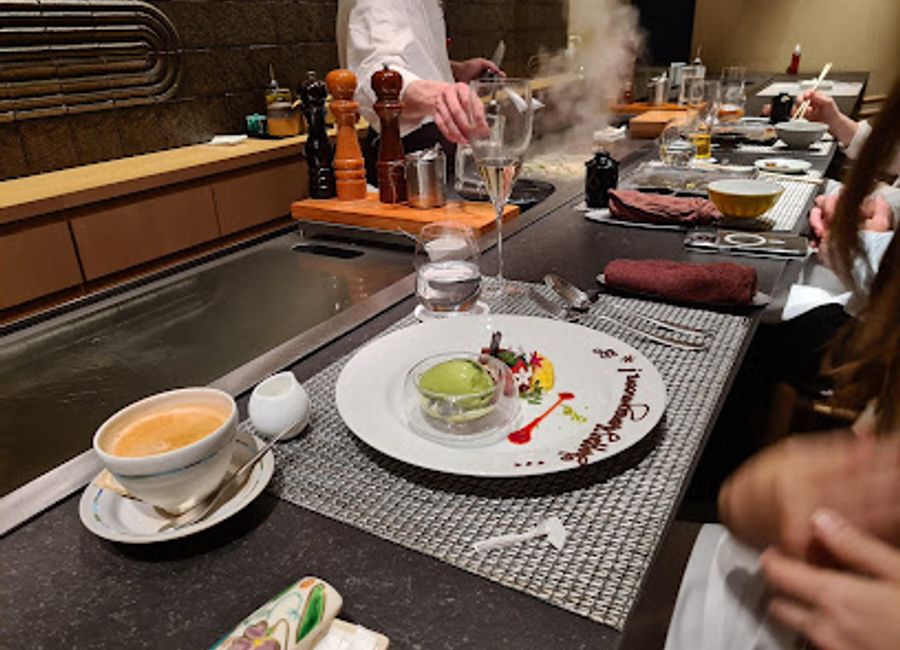
For dinner, I had made a reservation at Kobe Beef Steak Restaurant MOURIYA GION. It is the first restaurant that Mouriya set up in Kyoto. The restaurant cooks with carefully selected wagyu beef—A5-grade wagyu Kobe beef and cattle that closely follow the bloodline of Hyogo Prefecture-raised wagyu Tajima Beef. The restaurant was elegant. All the seating is counter seating facing the teppan hotplate to ensure that customers can savor the meat at its best. The chef was preparing the food right in front of me. The Kobe beef was exquisite. It was tender, flavorful, and cooked to perfection. It was a truly memorable dining experience.
Experience unparalleled flavors at Kobe Beef Steak Restaurant MOURIYA GION in Kyoto - a must-visit for steak lovers seeking authenticity.
After dinner, I decided to visit The Common One Bar Kyoto. The bar features tatami rooms and a tea room, creating a space where tradition and modernity blend beautifully. The bartenders are attentive, and the cocktail list is impressive. I enjoyed a brandy-based cocktail. The entrance is not easy to find, giving it a hideout-like atmosphere. It was a perfect way to end the day.
Experience the vibrant nightlife of Kyoto at The Common One Bar, where tradition meets innovation in every cocktail.

As I return to my ryokan, I am already looking forward to tomorrow's adventures. I plan to explore Gion, visit Yasaka Shrine, and wander along Hanamikoji Street. I am particularly excited to see if I can spot any geishas in the Gion district. I also plan to visit D&DEPARTMENT KYOTO, a shop that focuses on sustainable and well-designed products. 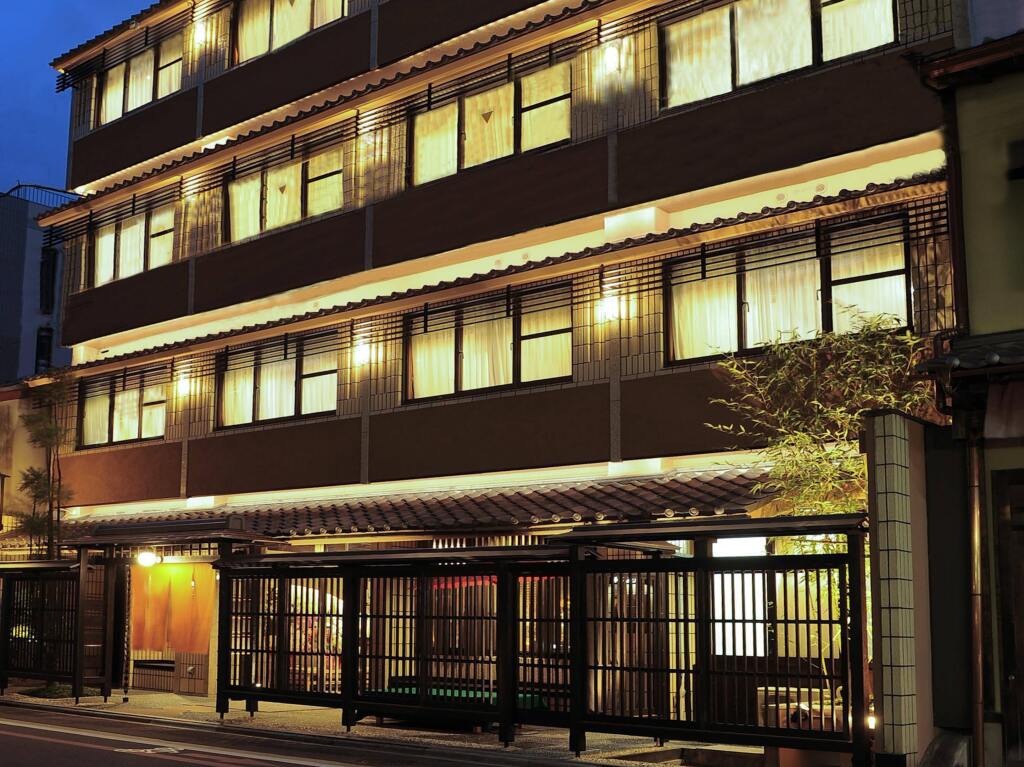
Discover the charm of Kyoto at Kyoto Watazen Ryokan, where traditional Japanese hospitality meets modern comforts in a prime location.
I am so grateful for the opportunity to immerse myself in Kyoto's culture and history. Each day brings new discoveries and unforgettable experiences. Kyoto is a city that truly captivates the senses and nourishes the soul.

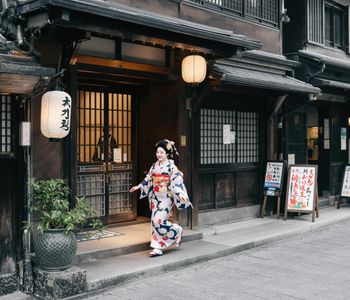
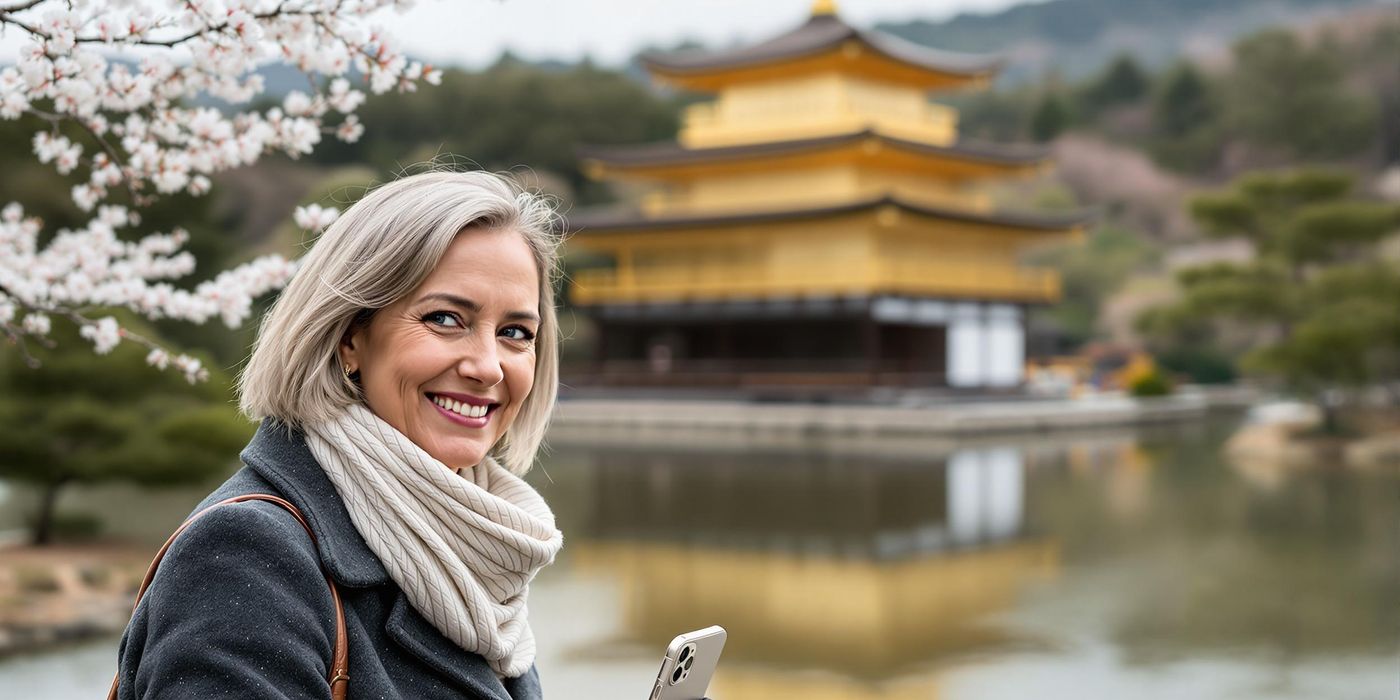
Discover Kyoto's captivating history and culture, exploring ancient temples and vibrant markets. An immersive solo adventure awaits in Japan's cultural heart.
Meet this Featured Explorer

-
 Occupation:
Archivist at the Deutsches Historisches Museum
Occupation:
Archivist at the Deutsches Historisches Museum
-
 Country:
Germany
Country:
Germany
-
 Age:
53
Age:
53
Es esmu Elza Bērziņa-Schmidt, a Latvian native living in Berlin, and an archivist with a passion for history and travel. Through my blog, I share my travel experiences, combining historical insights with personal anecdotes. Join me as I explore the world, uncovering hidden gems and immersing myself in different cultures. I hope to inspire you to embark on your own adventures, whether it's exploring ancient ruins or discovering the charm of a local market.
Find Similar Travel Diaries
Explore locations from this diary
-
Kyoto Watazen Ryokan
Discover the charm of Kyoto at Kyoto Watazen Ryokan, where traditional Japanese hospitality meets modern comforts in a prime location.
-
Arashiyama
Experience the tranquil beauty and rich heritage of Arashiyama, a must-visit district in Kyoto known for its bamboo groves and cultural landmarks.
-
Tenryu-ji
Explore the serene beauty and rich history of Tenryu-ji, a UNESCO World Heritage Buddhist temple in Kyoto, Japan. A cultural gem for every traveler.
-
Bamboo Path (Take-no-michi)
Immerse yourself in the serene beauty of Bamboo Path (Take-no-michi) in Muko, Kyoto, where nature and tranquility meet.
-
Kyoto cuisine Hanasaki Nishikiten
Discover authentic Kyoto cuisine at Hanasaki Nishikiten—where tradition meets culinary artistry in every exquisite dish.
-
Jiki Miyazawa
Indulge in an authentic Kaiseki dining experience at Jiki Miyazawa, where seasonal flavors meet exquisite presentation in the heart of Kyoto.
-
Kobe Beef Steak Restaurant MOURIYA GION
Experience unparalleled flavors at Kobe Beef Steak Restaurant MOURIYA GION in Kyoto - a must-visit for steak lovers seeking authenticity.
-
The Common One Bar Kyoto
Experience the vibrant nightlife of Kyoto at The Common One Bar, where tradition meets innovation in every cocktail.