Exploring the Timeless Beauty of Shirakawa-go
Day 2: A Day of Reflection and Tradition in Shirakawa-go
Explore the serene Myozenji Temple and Museum in Shirakawa-go, Japan, as we delve into the region's rich cultural and spiritual heritage.
Finding Serenity in Shirakawa-go's Spiritual Heart
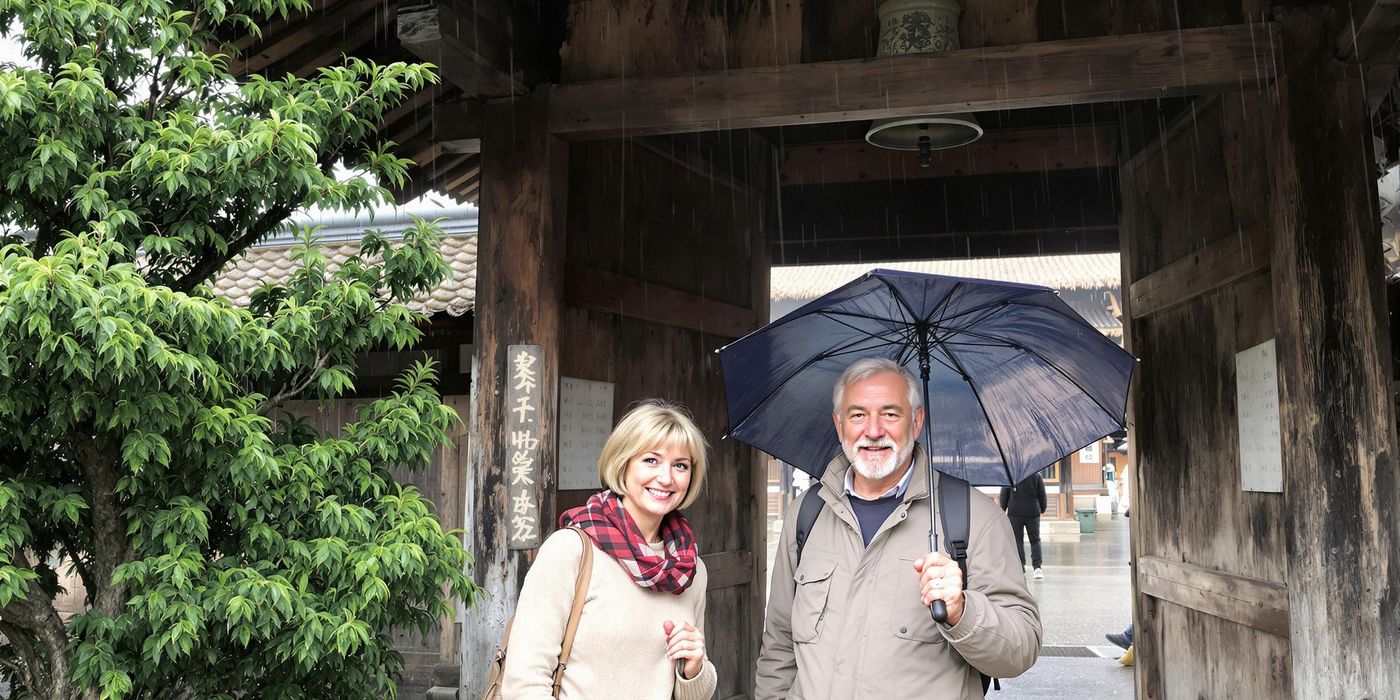
Today, Hans-Peter and I sought to deepen our understanding of Shirakawa-go by exploring its spiritual and historical dimensions. We visited Myozenji Temple and its museum, eager to learn more about the traditions that have shaped this unique village. It was a day of quiet reflection, offering a counterpoint to the more outwardly scenic aspects of our journey.
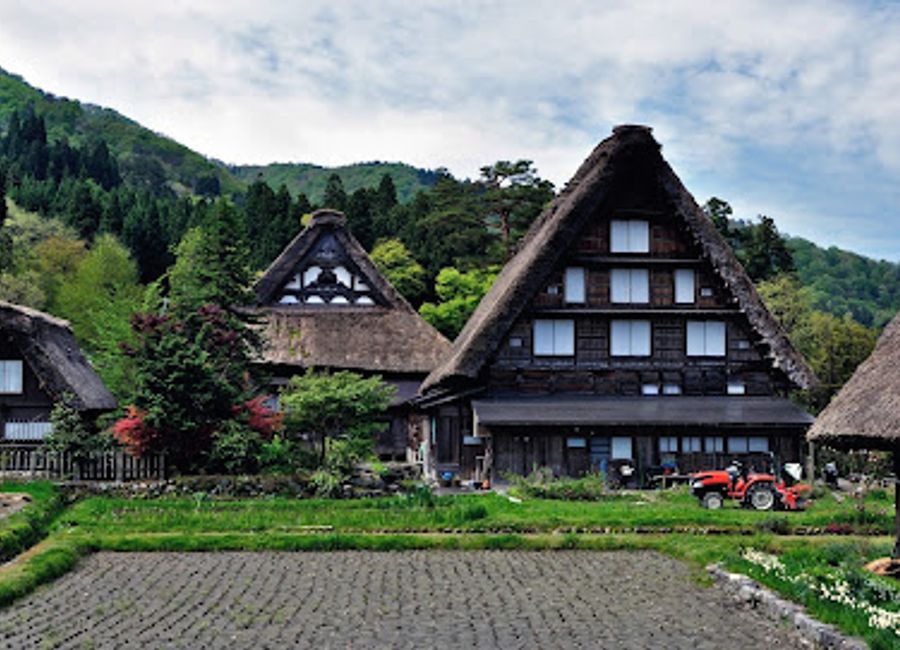
Discover Myozenji Temple in Shirakawa-go: A serene escape into Japan's spiritual heart, featuring thatched roofs and cultural treasures.
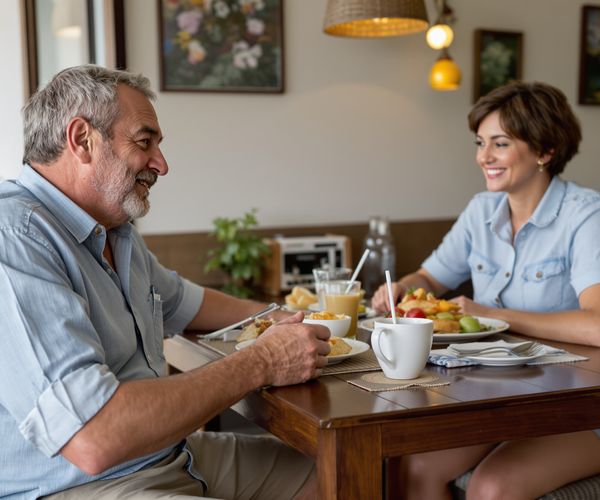
Our day began with a delightful breakfast at Hiiragi. The restaurant exuded a traditional charm, and the meal was a perfect start to a day dedicated to exploring the cultural heart of Shirakawa-go. The restaurant’s ambiance, with its wooden beams and soft lighting, transported us back in time, setting the stage for our exploration of Myozenji Temple.

Experience authentic Japanese cuisine at Hiiragi in Shirakawa - where tradition meets taste amidst stunning natural beauty.
Myozenji Temple: A Glimpse into History
From Hiiragi, we made our way to Myozenji Temple. Founded in 1736, Myozenji is a Jodo Shinshu temple and one of the most significant religious sites in Shirakawa-go. What immediately struck me was the unique Gassho-style architecture, mirroring the design of the traditional farmhouses. The main hall, the storehouse, and even the bell tower gate feature thatched roofs, a rarity for temples in Japan. It felt as though the sacred and the secular were seamlessly intertwined here.
The Shoromon Gate, with its distinctive two-layered structure and high thatched roof, was particularly impressive. Built in 1801, it is said that its design inspired the temple's main hall, which was constructed 26 years later. As we walked through the gate, I couldn't help but feel a sense of stepping back in time, connecting with the generations of worshippers who had passed through the same entrance. The yew tree to the left of the gate, planted in 1827 to commemorate the completion of the main hall, stands as a natural monument, a silent witness to the temple's long history.
The essence of true travel is not just seeing new sights, but understanding the stories and traditions that weave the fabric of a place.
Inside the main hall, the lavish decoration contrasted with the sober exterior of the monk's residence. The main hall, constructed entirely of cypress wood, exuded a sense of tranquility and reverence. I was particularly drawn to the fusuma sliding doors, adorned with nihonga Japanese-style paintings by artist Taisuke Hamada. These paintings, with their delicate brushstrokes and vibrant colors, added a touch of artistic beauty to the sacred space. Hans-Peter, with his background in art restoration, was particularly fascinated by the craftsmanship and the preservation of these cultural treasures. We spent a considerable amount of time admiring the intricate details and discussing the techniques used by the artist.
Myozenji Museum: Life in a Gassho-style House
Adjacent to the temple, we visited the Myozenji Museum, housed in what was once the monks' living quarters. This Gassho-style house, one of the largest in the village, offered a fascinating glimpse into the daily lives of the people of Shirakawa-go. The building itself is unique, featuring plastered earthen walls, which are more fire-resistant than the typical wooden walls. This was a practical consideration in a village where houses were closely built and thatched roofs posed a fire risk.
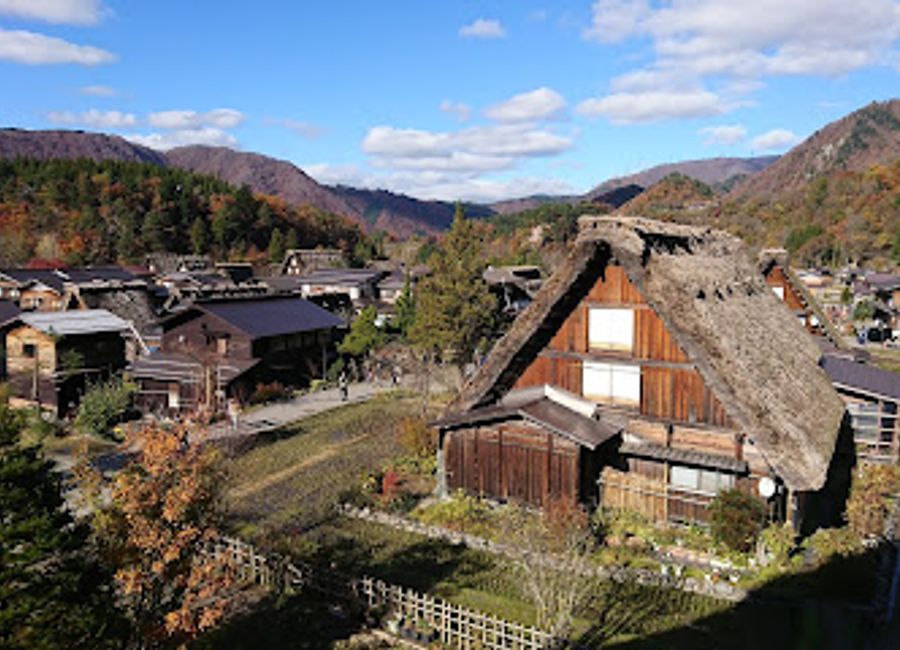
Explore traditional life and architecture at Myozenji Museum in Shirakawa-go, a window into the region's rich cultural heritage and history.
The first floor of the museum, spanning 330 square meters, showcased the living quarters, including a large living room with an irori fireplace at its center. I could imagine the family gathering around the hearth, sharing meals and stories, especially during the long winter months. Above the fireplace hung a hiama, a wooden board used to extinguish sparks and prevent heat from escaping. It was a simple yet ingenious device, reflecting the resourcefulness of the villagers. The seating arrangement around the hearth was strictly prescribed, reflecting the social hierarchy within the family.
Ascending to the four-level attic, which was primarily used for silkworm cultivation, we explored a variety of tools, kitchen utensils, and ornaments that depicted how the people of Shirakawa-go traditionally made their living. It was fascinating to see the implements used for farming, weaving, and other crafts, each telling a story of hard work and self-sufficiency. The attic also provided a unique perspective on the roof structure, secured by straw ropes and witch hazel saplings. It was a testament to the ingenuity and skill of the local artisans who built these houses without the use of nails or modern tools.
As an archivist, I was particularly drawn to the museum's collection of historical documents and photographs. These artifacts provided a valuable insight into the social, economic, and cultural history of Shirakawa-go. I spent a considerable amount of time examining the old maps, census records, and family registers, piecing together the stories of the people who had lived in this village for generations. Hans-Peter, with his keen eye for detail, was fascinated by the construction techniques used in the Gassho-style house. He examined the wooden beams, the thatched roof, and the intricate joinery, marveling at the craftsmanship and the durability of these traditional structures.
Lunch at Hakusuien: A Culinary Interlude
After immersing ourselves in the history and culture of Myozenji, we were ready for a break. We chose Hakusuien for lunch, drawn by its reputation for serving authentic local cuisine. The restaurant offered a serene atmosphere, with views of the surrounding landscape. The meal was a delightful experience, allowing us to savor the flavors of the region and recharge for the rest of our day.
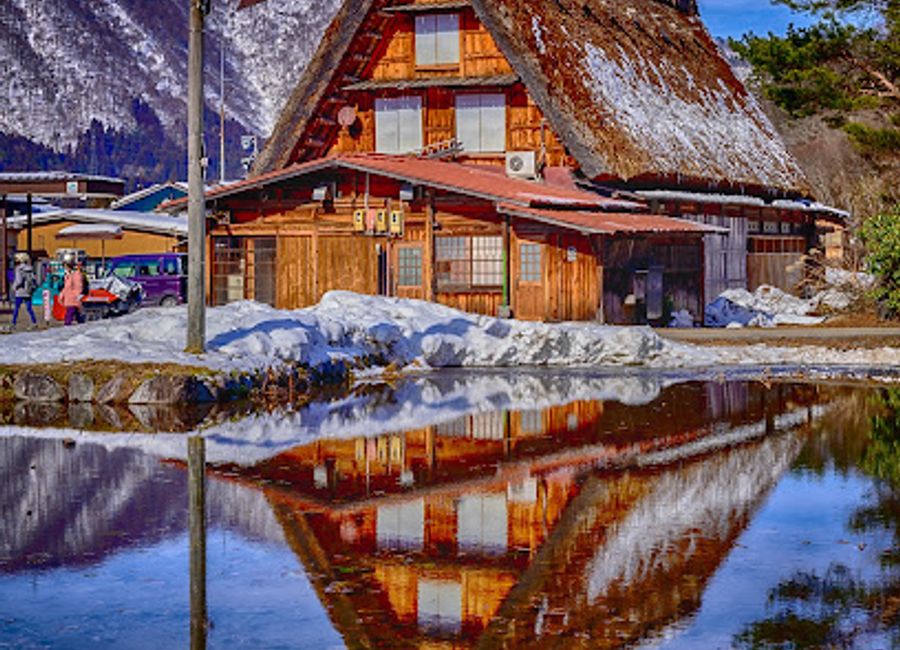
Experience authentic Japanese dining at Hakusuien in Shirakawa – where tradition meets taste in every dish.
Tenshukaku: Dinner and Drinks with a View
As evening approached, we decided to have dinner at Tenshukaku, a restaurant known for its stunning views. The restaurant's elevated location provided a panoramic vista of the village and the surrounding mountains. The food was delicious, and the ambiance was perfect for a relaxing evening. After dinner, we lingered at the bar, also named Tenshukaku, enjoying a drink and soaking in the atmosphere. It was a fitting end to a day of exploration and reflection.
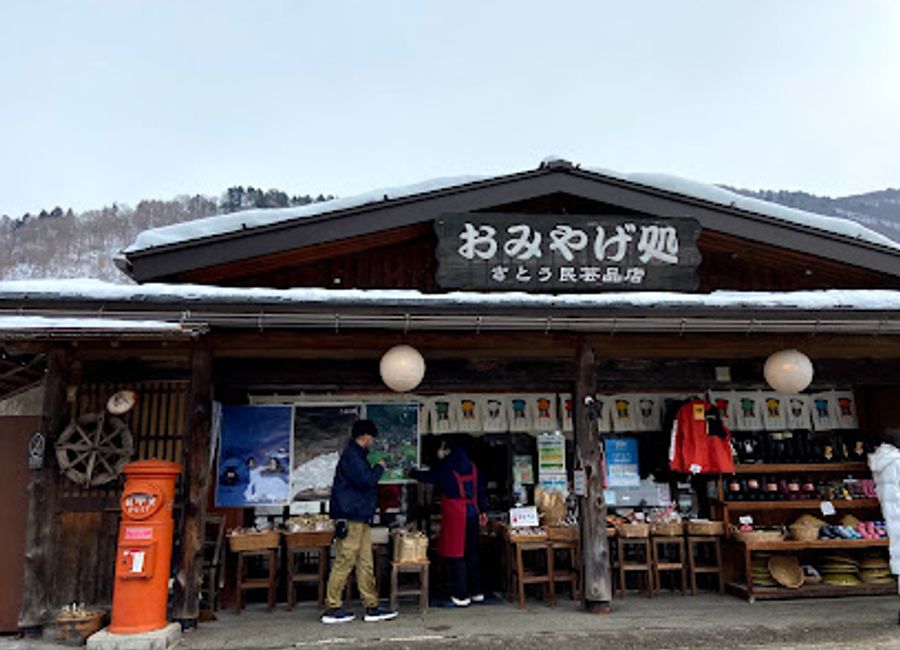
Discover authentic Japanese flavors at Tenshukaku in Shirakawa—where culinary tradition meets stunning mountain views.
Today reinforced my belief that travel is not just about seeing new places, but about understanding their history, culture, and the spirit of their people. Shirakawa-go is more than just a collection of picturesque farmhouses; it is a living testament to the resilience, ingenuity, and community spirit of its inhabitants. As we prepare for tomorrow's adventures, with plans to visit the Shirakawago Three Houses and Midorigaike Pond, I feel a deeper connection to this remarkable place.
The walk back to our guesthouse was peaceful. The air was cool and crisp, and the stars were beginning to appear in the night sky. I thought about my family back in Berlin, and how much I wanted to share these experiences with them. Perhaps one day, we could all come to Shirakawa-go together and experience the beauty and tranquility of this remarkable village. As we walked, Hans-Peter and I talked about our plans for the rest of our trip. We were both excited about the prospect of exploring more of Japan and learning more about its rich culture and history.



Discover the cultural and historical charm of Shirakawa-go, a UNESCO World Heritage site in Japan, with Elza and Hans-Peter.
Meet this Featured Explorer

-
 Occupation:
Archivist at the Deutsches Historisches Museum
Occupation:
Archivist at the Deutsches Historisches Museum
-
 Country:
Germany
Country:
Germany
-
 Age:
53
Age:
53
Es esmu Elza Bērziņa-Schmidt, a Latvian native living in Berlin, and an archivist with a passion for history and travel. Through my blog, I share my travel experiences, combining historical insights with personal anecdotes. Join me as I explore the world, uncovering hidden gems and immersing myself in different cultures. I hope to inspire you to embark on your own adventures, whether it's exploring ancient ruins or discovering the charm of a local market.
Find Similar Travel Diaries
Explore locations from this diary
-
Myozenji
Discover Myozenji Temple in Shirakawa-go: A serene escape into Japan's spiritual heart, featuring thatched roofs and cultural treasures.
-
Myozenji Museum
Explore traditional life and architecture at Myozenji Museum in Shirakawa-go, a window into the region's rich cultural heritage and history.
-
Hiiragi
Experience authentic Japanese cuisine at Hiiragi in Shirakawa - where tradition meets taste amidst stunning natural beauty.
-
Hakusuien
Experience authentic Japanese dining at Hakusuien in Shirakawa – where tradition meets taste in every dish.
-
Tenshukaku
Discover authentic Japanese flavors at Tenshukaku in Shirakawa—where culinary tradition meets stunning mountain views.
-
Tenshukaku
Discover the flavors of traditional Japanese cuisine at Tenshukaku, nestled in the scenic village of Shirakawa, Gifu Prefecture.