Exploring the Cultural Riches of Kanazawa, Japan
Day 6: Journey Back in Time: Exploring the Gassho-Style Villages of Gokayama
Step back in time with Erzsébet as she explores the UNESCO World Heritage gassho-style villages of Shirakawa-go, Suganuma, and Ainokura.

Echoes of Old Japan: A Day Among the Gassho-Style Villages
Today, Maximilian and I embarked on a journey that felt like stepping directly into a historical painting. We ventured into the heart of the Japanese Alps to explore the UNESCO World Heritage gassho-style villages of Shirakawa-go and Gokayama. These villages, with their unique thatched-roof farmhouses, offered a glimpse into a way of life that has endured for centuries. It was a day filled with breathtaking scenery, cultural immersion, and a profound sense of connection to Japan's rich heritage.
Our day began with a hearty breakfast at Kanazawa Note Dining Bar. It was a delightful start, fueling us up for the adventures that lay ahead. The dining bar had a cozy atmosphere and offered a mix of local and international breakfast options. It reminded me of some of the charming cafes back in Bonn, where Maximilian and I often spend our Sunday mornings.
From Kanazawa, we set off early, eager to reach our first destination: Shirakawa-go. The drive itself was stunning, with verdant mountains rising on either side of the road. As we approached the village, the iconic gassho-style farmhouses began to appear, their steep, thatched roofs resembling hands clasped in prayer. The name *gassho-zukuri* literally means constructed like hands in prayer, and it perfectly captures the architectural style designed to withstand the region’s heavy snowfall.
Explore Shirakawa-go: A UNESCO Heritage Site with captivating gassho-zukuri houses and breathtaking views of the Japanese Alps, perfect for cultural immersion.
Shirakawa-go was larger and more bustling than I had anticipated. It was filled with tourists, all eager to capture the beauty of this well-preserved village. We strolled through the narrow streets, admiring the farmhouses that have been converted into restaurants, museums, and minshuku (traditional guesthouses). We visited the Gassho-zukuri Minkaen Open Air Museum, which showcased farmhouses and other structures relocated from surrounding villages to preserve them. It was fascinating to see the tools and artifacts used in daily life centuries ago.
The beauty of these villages lies not just in their picturesque architecture but in the way they encapsulate a harmonious relationship between people and nature.
After exploring Shirakawa-go, we continued our journey to the Gokayama region, home to the Suganuma and Ainokura villages. These villages are smaller and more remote than Shirakawa-go, offering a quieter and more intimate experience. As we drove deeper into the mountains, the landscape became even more dramatic, with winding roads and cascading waterfalls.
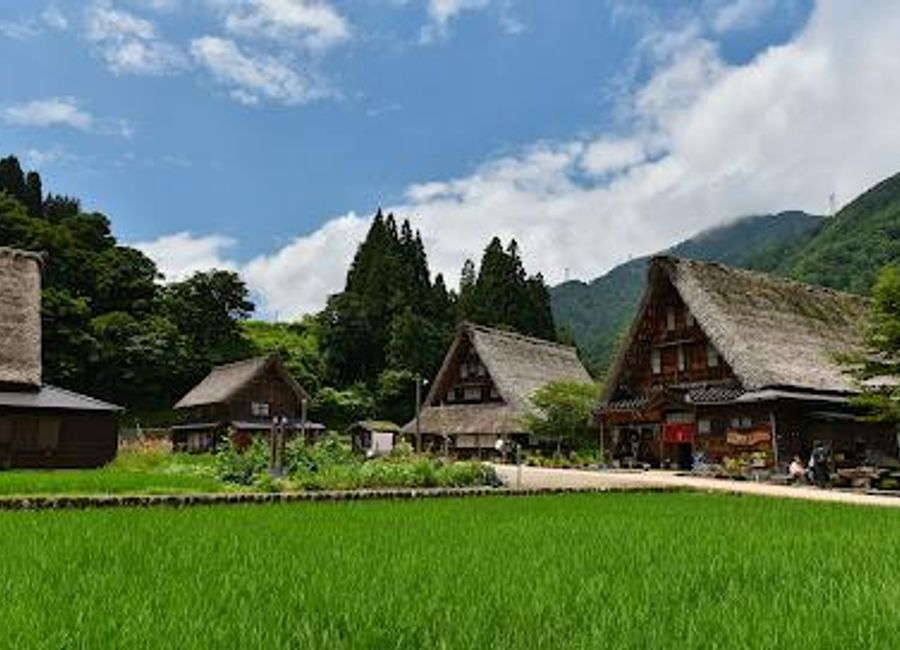
Explore Suganuma Gassho-zukuri Village, a UNESCO World Heritage site showcasing traditional Japanese architecture in the stunning Toyama mountains.
Suganuma Village was our first stop in Gokayama. We parked at the observation plaza and took an elevator down to the village, which is nestled in a valley along the Shogawa River. Suganuma is a small village, with only nine gassho-style houses remaining. It felt like stepping into a fairy tale, with the quaint farmhouses surrounded by lush greenery.
We visited the Gokayama Folk Museum, which provided insights into the traditional industries of the region, including washi paper making and saltpeter production. Maximilian, with his data scientist background, was particularly intrigued by the saltpeter exhibits. He marveled at the ingenuity of the villagers in utilizing natural resources to produce gunpowder during the Edo period.
Next, we ventured to Ainokura, the most remote of the gassho-style villages. Set far back in the valley, Ainokura is the largest of the Gokayama villages, with nearly 20 gassho-style farmhouses. It was noticeably quieter than Shirakawa-go, with fewer tourists and a more tranquil atmosphere. Many of the farmhouses are still private residences, which added to the sense of authenticity.
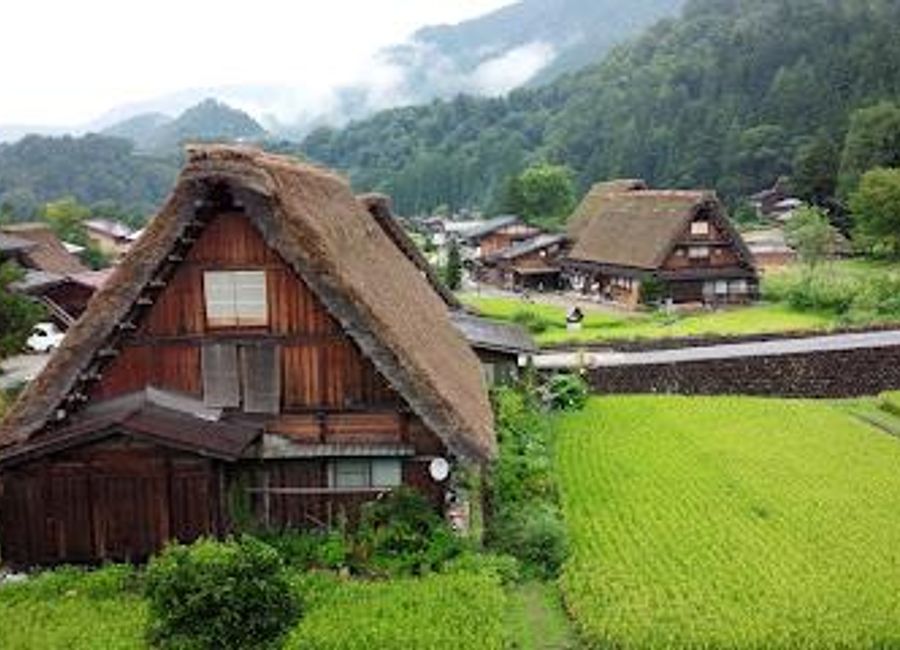
Explore Ainokura, a UNESCO World Heritage Site in Toyama, renowned for its charming gassho-zukuri farmhouses and breathtaking rural landscapes.
We wandered through the village, taking in the serene beauty of the surroundings. The air was fresh and clean, and the only sounds were the gentle rustling of leaves and the chirping of birds. We visited the Ainokura Folk Museum, which showcased daily life in the Gokayama region during the Edo period. It was fascinating to see the traditional clothing, tools, and household items used by the villagers.
One of the highlights of our visit to Ainokura was learning about washi paper making, a craft that has been practiced in the region for centuries. Legend has it that the technique was brought here from Kyoto by survivors of the Taira Clan, who sought refuge in the remote mountains after their defeat by the Minamoto Clan. We visited a local workshop, where we watched artisans making washi paper by hand. We even had the opportunity to try our hand at making our own paper, which was a fun and rewarding experience.
For lunch, we had planned to dine at Gyokusen-tei, but unfortunately, we were running behind schedule and had to cancel our reservation. However, we found a charming little restaurant in Ainokura that served delicious local cuisine. I tried the *goheimochi*, a grilled rice cake covered in a sweet and savory sauce, while Maximilian opted for the *sansai soba*, a noodle soup with mountain vegetables. Both dishes were flavorful and satisfying.
As the day drew to a close, we made our way back to Kanazawa. Before heading back to the hotel, we decided to experience the Kanazawa nightlife and visited Sturgis, a unique bar known for its quirky decor and live music. The entrance to the bar was quite an experience, marked by a guitar outside, which led to an elevator ride up to the bar. The owner was incredibly welcoming, making us feel right at home. Maximilian enjoyed trying out the kaleidoscope and magic glasses while enjoying different drinks and live music. It was a fun and memorable way to end our day.
For dinner, we dined at Kagaya Kanazawa, located in the Kanazawa Hyakubangai. The restaurant offered traditional Kaga cuisine, using local ingredients from Kaga and Noto. I decided to try the *Jibuni*, a local specialty, while Maximilian opted for the sashimi set. The food was exquisite, and the service was impeccable. It was a perfect way to savor the flavors of Kanazawa.
Tomorrow, we are planning to visit the Kaga-Yuzen Kimono Center, Nishi Chaya District, and Ishikawa Prefectural Noh Theater. I am particularly excited about the kimono center, as I have always been fascinated by the artistry and craftsmanship of Japanese textiles.
Reflecting on our day, I am filled with a sense of gratitude for the opportunity to experience the beauty and culture of these gassho-style villages. It was a journey back in time, a reminder of the importance of preserving our heritage and traditions. As we continue our exploration of Kanazawa, I am excited to discover more of the cultural treasures that this region has to offer. I'm also glad I packed my light jacket, as the evenings have been a bit cooler than expected. I still regret forgetting my power adapter and portable charger, though. It's a constant reminder to double-check my packing list before future trips!
Back at the hotel, I am already looking forward to tomorrow’s adventures. Good night from Kanazawa!

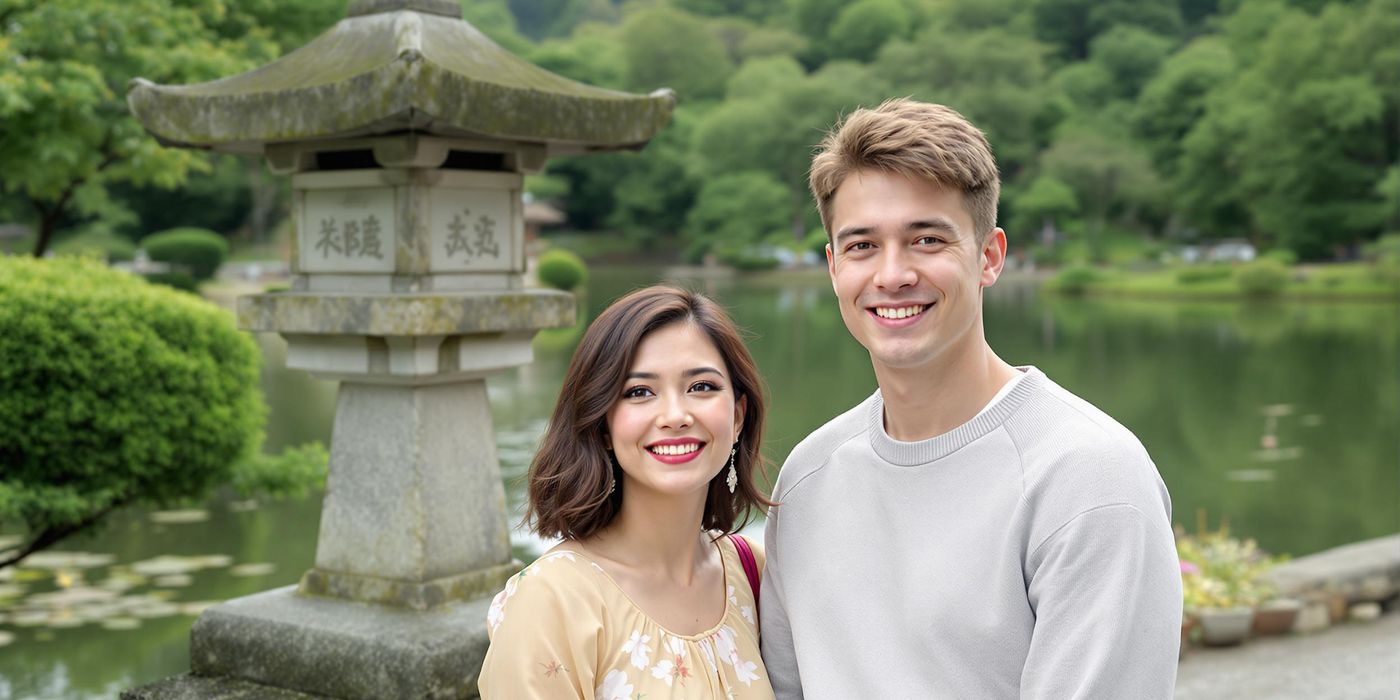
Discover the cultural treasures of Kanazawa, Japan, with Erzsébet and her husband as they explore historic sites, gardens, and local cuisine.
Meet this Featured Explorer

-
 Occupation:
Software Developer
Occupation:
Software Developer
-
 Country:
Germany
Country:
Germany
-
 Age:
33
Age:
33
Sziasztok! My name is Erzsébet, and I'm a Software Developer by day and a passionate traveler by night (and weekends!). Originally from Hungary but now living in Bonn, Germany, with my husband, Maximilian, I've always been drawn to exploring new cultures, savoring delicious food, and capturing the beauty of the world through my lens. This blog is my way of sharing my adventures, travel tips, and cultural insights with you. I hope to inspire you to step out of your comfort zone and discover the wonders that await!
Find Similar Travel Diaries
Explore locations from this diary
-
Tmark City Hotel Kanazawa
Experience the perfect blend of tradition and modernity at Tmark City Hotel Kanazawa, your ideal base for exploring this charming city.
-
Shirakawa-go
Explore Shirakawa-go: A UNESCO Heritage Site with captivating gassho-zukuri houses and breathtaking views of the Japanese Alps, perfect for cultural immersion.
-
World Heritage Suganuma Gassho-zukuri Village
Explore Suganuma Gassho-zukuri Village, a UNESCO World Heritage site showcasing traditional Japanese architecture in the stunning Toyama mountains.
-
Ainokura
Explore Ainokura, a UNESCO World Heritage Site in Toyama, renowned for its charming gassho-zukuri farmhouses and breathtaking rural landscapes.
-
Kanazawa Note Dining Bar
Discover the vibrant flavors of Japan at Kanazawa Note Dining Bar - where modern izakaya meets tradition in a lively setting.
-
Gyokusen-tei
Experience exquisite Japanese cuisine at Gyokusen-tei in Kanazawa – where tradition meets culinary excellence.
-
Kagaya Kanazawa
Discover authentic Japanese cuisine at Kagaya Kanazawa – where seasonal flavors meet exquisite presentation in every dish.
-
Sturgis
Discover the vibrant nightlife and unique drinks at Sturgis, a must-visit bar in Kanazawa, Japan.