Cultural Immersion in Shirakawa-go: A Japanese Heritage Adventure
Day 3: A Day of Serenity and Tradition in Shirakawa-go
Explore the spiritual heart of Shirakawa-go, from ancient shrines to the charm of Ogimachi village, savoring local flavors and crafts.
Finding Peace and Tradition in Shirakawa-go
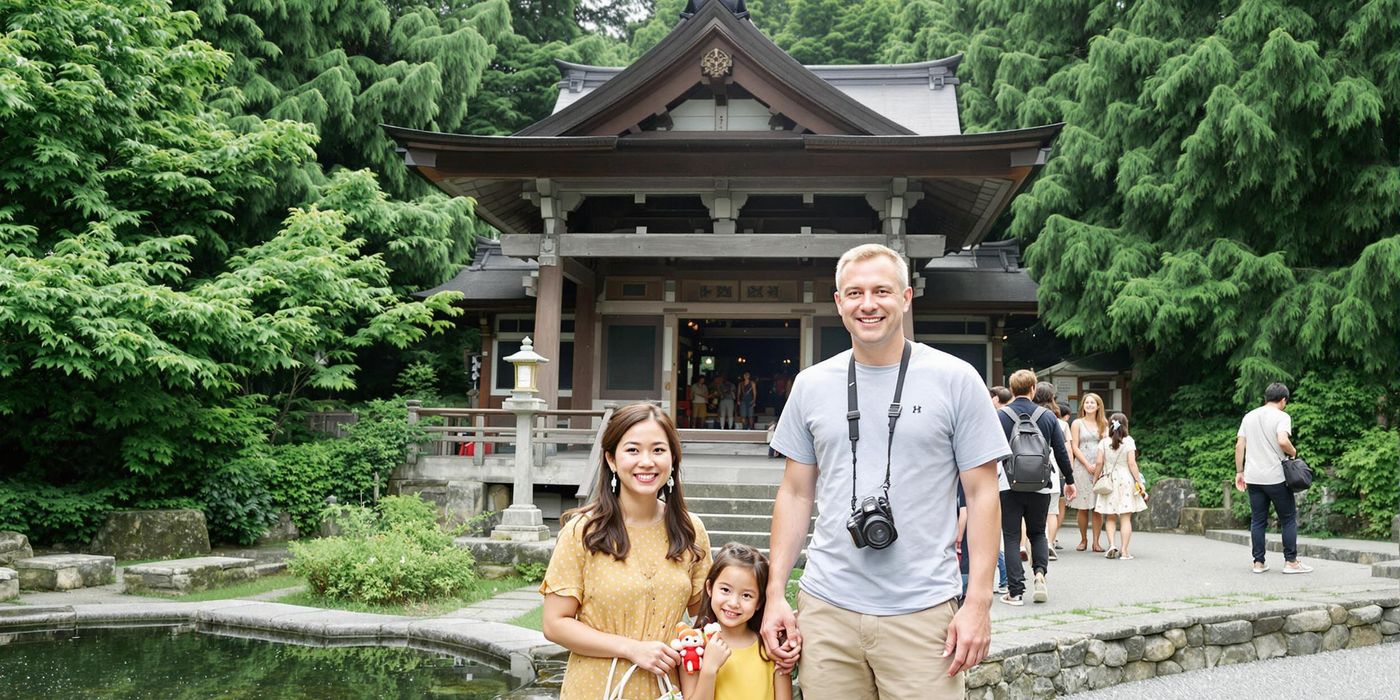
Today was a day of exploring the deeper cultural roots of Shirakawa-go, beyond the stunning landscapes and iconic farmhouses. It was a day for quiet reflection and appreciation of the traditions that have shaped this unique corner of Japan. I felt a sense of connection to the past, a feeling I always cherish when traveling.
Our day began with a delightful breakfast at Yamamotoya. The restaurant is located in the heart of Shirakawa-go, within one of the Gassho-zukuri houses. It had a cozy and inviting atmosphere. We enjoyed a traditional Japanese breakfast set, savoring the delicate flavors and fresh ingredients. It was the perfect start to a day of exploration. Hans particularly enjoyed the soba noodles, while Leila was fascinated by the presentation of the meal, with its many small dishes and colorful ingredients. I appreciated the quiet ambiance, a peaceful way to prepare for the day ahead.
After breakfast, we set out to visit the Hatotani Hachiman Shrine. The shrine is a short bus ride from the village center, followed by a pleasant walk through the countryside. The air was fresh and clean, and the scenery was simply breathtaking. As we approached the shrine, I felt a sense of tranquility wash over me. The towering cedar trees and the gentle sound of the nearby stream created a serene atmosphere.
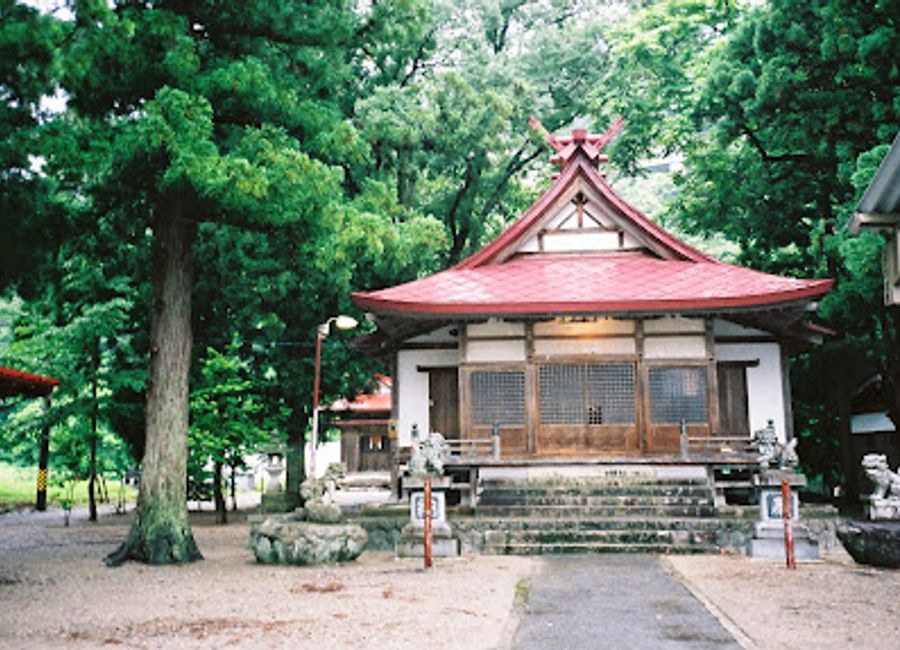
Explore the serene Hatotani Hachiman Shrine in Shirakawa, Gifu, a peaceful retreat that showcases Japan's spiritual heritage amidst breathtaking nature.
Hatotani Hachiman Shrine is considered one of the oldest places of reverence in Shirakawa. The shrine dates back to the Wado era. As we passed through the *torii* gate, marking the boundary between the sacred and the secular, I could feel the weight of history and tradition. We learned that the rock formation directly in front of the worship hall served as a *yorishiro*, an object capable of attracting a deity. The giant cedar trees on the shrine grounds were also thought to have been used as *yorishiro*. It was fascinating to learn about the ancient nature worship practices that were once prevalent in this area.
We took some time to explore the shrine grounds, admiring the intricate details of the buildings and the beauty of the surrounding nature. Leila was particularly fascinated by the circle of smaller trees that marked the site of a *haraedo*, a place of ritual purification. Hans enjoyed photographing the ancient cedar trees, trying to capture their imposing presence. I found myself drawn to the spring located just beyond the *torii* gate, believed to be the reason this place first came to be considered sacred. It was a truly special place, a hidden gem far from the hustle and bustle of modern life.
In every walk with nature, one receives far more than he seeks.
Next on our itinerary was a visit to Ogimachi, the heart of Shirakawa-go. This village is the largest in the area and home to many of the iconic *gassho-zukuri* farmhouses. Declared a UNESCO World Heritage site in 1995, Ogimachi offers a glimpse into traditional Japanese rural life. As we strolled through the village, I was struck by the beauty and simplicity of the architecture. The *gassho-zukuri* farmhouses, with their steeply pitched thatched roofs resembling hands pressed together in prayer, were truly remarkable.
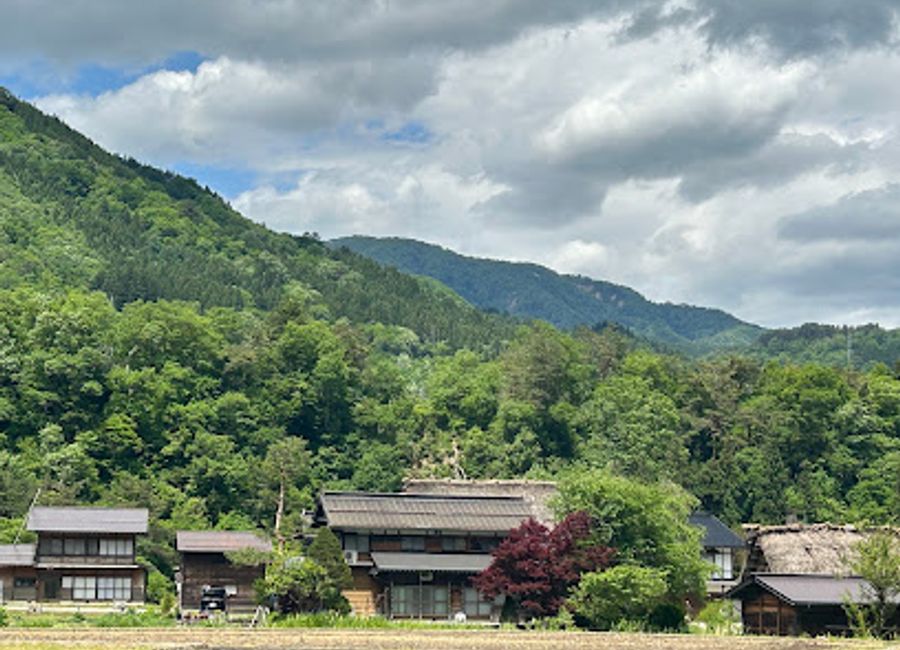
Explore the enchanting Ogimachi Village, a UNESCO World Heritage site in Japan, known for its traditional gassho-zukuri farmhouses and stunning natural beauty.
We visited several of the farmhouses that are now open to the public as museums. It was fascinating to learn about the history of these buildings and the families who lived in them. We saw examples of the tools and techniques used for silk harvesting, and we learned about the ingenious design of the houses, which were built to withstand the harsh winters of this region. Leila was particularly interested in the Wada House, the largest *gassho-zukuri* farmhouse in the village. Hans was impressed by the craftsmanship and the attention to detail in the construction of the houses. I appreciated the opportunity to step back in time and experience a way of life that has largely disappeared.
For lunch, we stopped at Gassho Restaurant. Gassho is located in one of the oldest *gassho-zukuri* buildings in Shirakawa-go, dating back to the late Edo period. The restaurant offers a traditional dining experience, with an open hearth and *takasokuzen* (high leg tables). We enjoyed a delicious lunch of local cuisine, including Hida beef grilled with *hoba* miso. The flavors were rich and complex, and the atmosphere was warm and inviting.

Experience authentic Japanese cuisine at Gassho in Shirakawa - where tradition meets taste in a picturesque setting.
After lunch, we did a little shopping at Memenko. Memenko is a charming souvenir shop located near the Wada House. The shop offers a variety of local products, including *kintsuba* (sweet bean cakes) flavored with *doburoku* sake, *doburoku* *yokan* (bean jelly), and *akabu-zuke* (pickled turnips). We purchased a few souvenirs for our family and friends back home, wanting to share a taste of Shirakawa-go with them. Leila picked out a small *sarubobo* doll, a traditional amulet from the Hida region. Hans bought a bottle of local sake. I chose a beautiful hand-painted fan depicting the *gassho-zukuri* farmhouses.
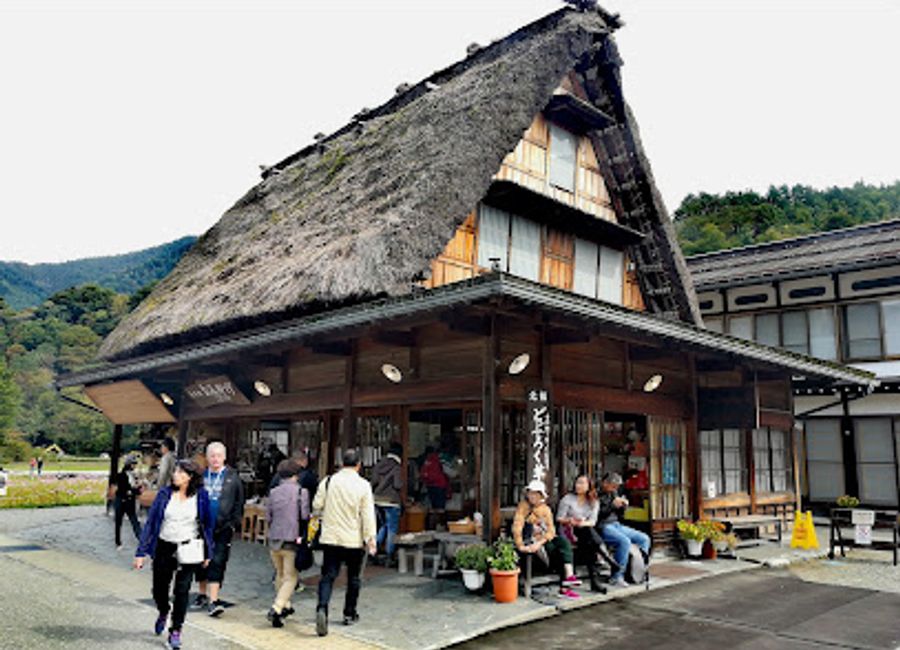
Discover unique handcrafted souvenirs at Memenko, the charming souvenir store in the heart of Shirakawa-go, Japan's UNESCO World Heritage site.
For dinner, we decided to try Nomura. Nomura is a popular soba noodle restaurant known for its freshly made noodles and relaxed atmosphere. The restaurant has only 12 seats, so we had to wait a short time for a table. But it was well worth the wait. The soba noodles were delicious, and the service was friendly and efficient. We enjoyed a simple but satisfying meal, reflecting on the day's experiences.
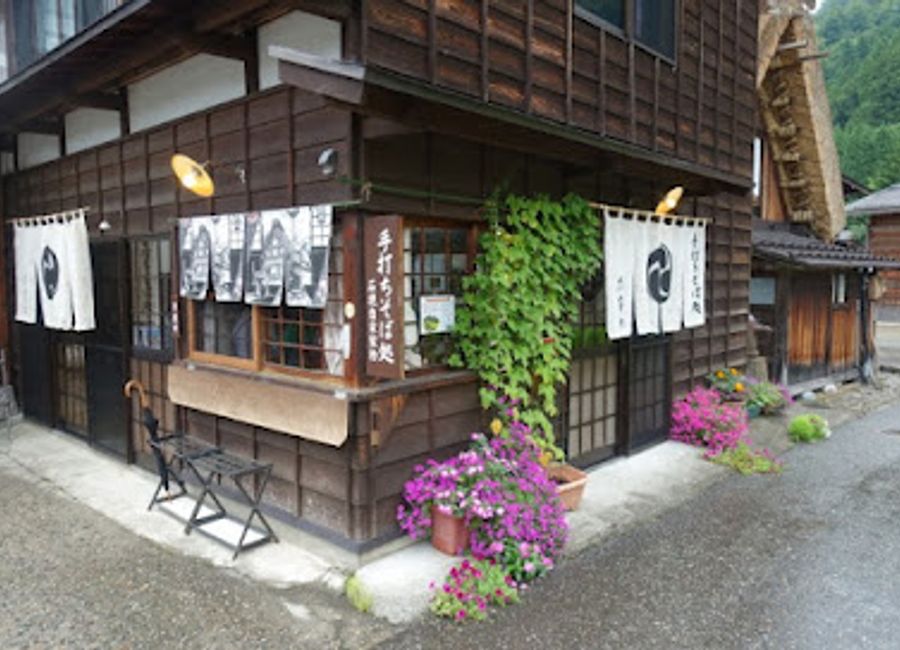
Experience authentic Japanese soba noodles at Nomura in Shirakawa—where tradition meets flavor in every bowl.
As the day drew to a close, I felt a deep sense of gratitude for the opportunity to experience the beauty and culture of Shirakawa-go. It was a day of quiet reflection, a day of connecting with the past, and a day of appreciating the simple things in life. I am excited for tomorrow, when we plan to visit the Hida no Sato Open Air Museum and the Hida Takayama Museum of Art in Takayama. I am eager to learn more about the art and history of this region.
Tomorrow promises new adventures as we explore the Hida region further, starting with the Hida no Sato Open Air Museum and the Hida Takayama Museum of Art in Takayama. I am particularly looking forward to experiencing the local crafts and artistic traditions of the area, and perhaps even finding a unique piece to bring home as a reminder of our time here. We might even stop by Shiraogi for a drink. It’s moments like these, shared with loved ones, that make travel so enriching and memorable. I am so grateful for these experiences and the opportunity to share them with you all.
I am also grateful that I remembered to pack my comfortable walking shoes, camera, travel guidebook, reusable water bottle, and local currency. I was a little disappointed that I forgot my portable charger and umbrella. But I am sure that I will be able to find them in Takayama.
Shirakawa-go has a timeless quality that I find incredibly appealing. It is a place where tradition and nature coexist in perfect harmony, creating a unique and unforgettable experience. As we prepare for our next adventure, I carry with me the peace and serenity of this special place, hoping to bring a little bit of its magic back home to Potsdam.

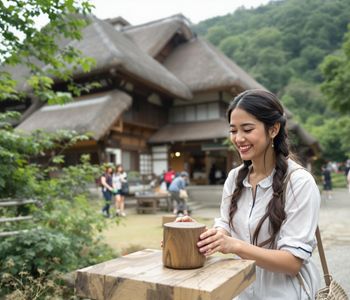
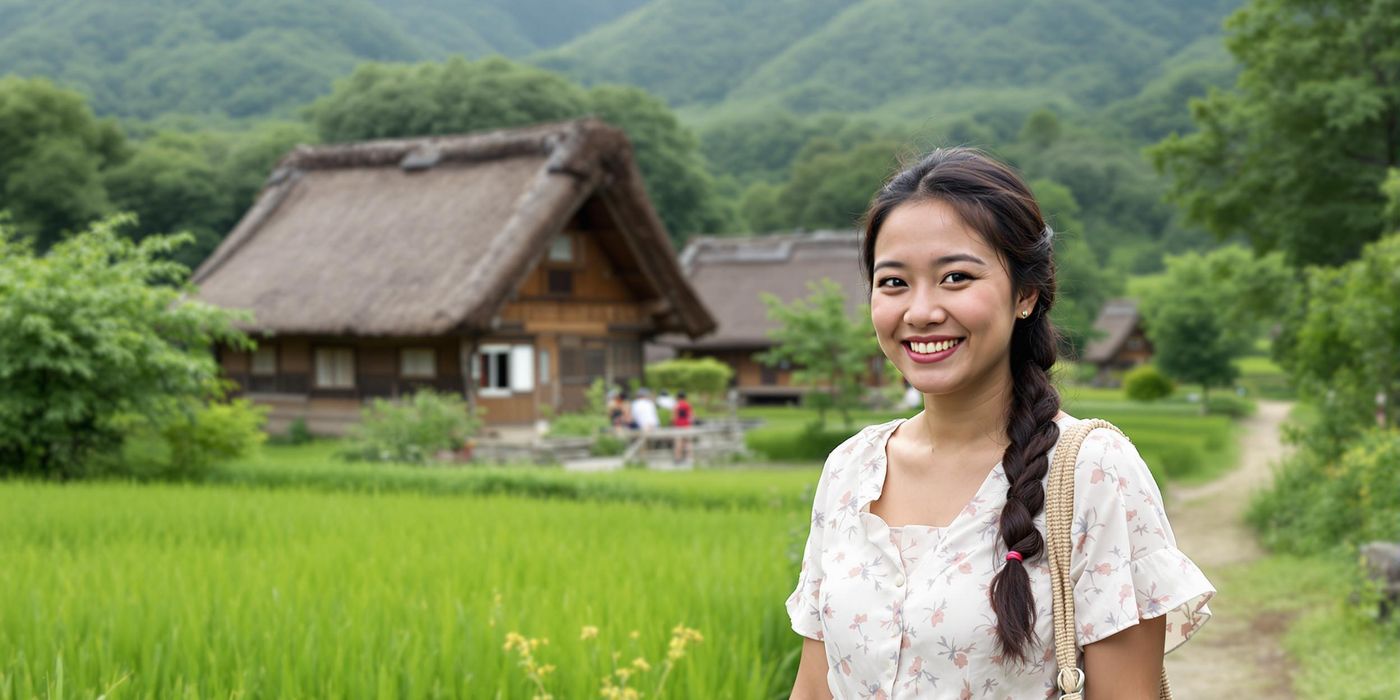
Discover the charm of Shirakawa-go, Japan's rural heritage village, through a cultural adventure with friends, blending tradition and scenic beauty.
Meet this Featured Explorer

-
 Occupation:
Cultural Event Coordinator at a local community center
Occupation:
Cultural Event Coordinator at a local community center
-
 Country:
Germany
Country:
Germany
-
 Age:
42
Age:
42
Salam and hello! I'm Fatima, a travel blogger originally from the beautiful region of Bamyan, Afghanistan, now living in Potsdam, Germany. My passion is exploring the world with my family, immersing ourselves in diverse cultures, and sharing those experiences with you. Join me as we discover hidden gems, savor authentic cuisine, and learn about the people and traditions that make our world so vibrant. I believe travel is more than just seeing new places; it's about connecting with others, fostering understanding, and creating lasting memories.
- Cultural heritage preservation
- Intercultural dialogue
- Community building
- Sustainable living
- Global cuisine
Find Similar Travel Diaries
Explore locations from this diary
-
Hatotani Hachiman Shrine
Explore the serene Hatotani Hachiman Shrine in Shirakawa, Gifu, a peaceful retreat that showcases Japan's spiritual heritage amidst breathtaking nature.
-
合掌村 Ogimachi
Explore the enchanting Ogimachi Village, a UNESCO World Heritage site in Japan, known for its traditional gassho-zukuri farmhouses and stunning natural beauty.
-
Yamamotoya
Discover authentic soba noodles at Yamamotoya in Shirakawa - where tradition meets deliciousness amidst breathtaking scenery.
-
Gassho
Experience authentic Japanese cuisine at Gassho in Shirakawa - where tradition meets taste in a picturesque setting.
-
Nomura
Experience authentic Japanese soba noodles at Nomura in Shirakawa—where tradition meets flavor in every bowl.
-
Memenko
Discover unique handcrafted souvenirs at Memenko, the charming souvenir store in the heart of Shirakawa-go, Japan's UNESCO World Heritage site.