Solo Pilgrimage Along the Sacred Trails of Kumano Kodo
Day 2: Journey to Kumano Hongu Taisha: Discovering Spiritual Roots
Immerse yourself in the spiritual heart of Kumano Kodo, exploring ancient shrines and traditions on this unforgettable solo adventure.

Echoes of the Past
Today was a day of deep reflection, a journey into the heart of Kumano Kodo's spiritual landscape. I set out to explore the Kumano Hongu Taisha and its surroundings, eager to connect with the history and traditions of this sacred pilgrimage route. It was a day filled with awe-inspiring sights and profound moments of contemplation, making me feel closer to the essence of Japan's rich cultural heritage.
My day began with a hearty breakfast at Watarase Onsen Cafe. Fuelled up and ready, I set off towards Kumano Hongu Taisha. The morning air was crisp and clean, carrying the scent of cedar and cypress from the surrounding forests. As I walked, I couldn't help but reflect on my life back in Berlin, the familiar rhythm of coding, and Lena's artistic spirit that fills our home with warmth. This solo journey felt like a necessary pause, a chance to recharge and find inspiration amidst nature's grandeur. It's a far cry from Pano Lefkara, where I grew up, but the sense of community and tradition here resonates deeply with my Cypriot roots.
Arriving at Kumano Hongu Taisha, I was immediately struck by its serene atmosphere. The shrine is one of the three grand shrines of Kumano, and serves as the head shrine for all Kumano shrines across Japan. Climbing the 158 stone steps to the main building, I felt a sense of reverence wash over me. The towering cedar trees whispered ancient secrets, and the fluttering streamers added a touch of mystique. It was easy to imagine the countless pilgrims who had walked this path before me, seeking solace and spiritual renewal.
The main hall, with its magnificent thatched roof of cypress shingles, was a sight to behold. I learned that the present structure was relocated from Oyunohara after the original was destroyed by floods in 1889. Kumano Hongu Taisha enshrines Izanagi-Okami, the deity who gave birth to Japan, and Ketsumimiko-Okami, a benevolent deity who strives to help mankind. I took a moment to offer a prayer for safety on my journey, harmony in my home, and continued inspiration in my work.
Exploring the shrine, I discovered the unique corridor under the verandas of the pavilions. I learned that in the past, pilgrims and ascetics would use this space for meditation, prayer, and even sleeping quarters. It was here that Saint Ippen Shonin was enlightened, a testament to the power of this sacred space.
The Kumano Kodo is more than just a trail; it's a journey through time, a connection to the spiritual heart of Japan.
Next on my itinerary was Oyunohara, the original location of Kumano Hongu Taisha. It's now marked by the largest Torii shrine gate in the world. As I approached, the sheer size of the Otorii was awe-inspiring. Standing 33.9 meters tall and 42 meters wide, it's a formalized gateway that designates the entrance to a sacred area. It signifies the division of the secular and the spiritual worlds.
I spent some time walking around Oyunohara, imagining what it must have been like when the shrine was located here. Legend has it that the Kumano deities, in the form of three moons, descended into the branches of a giant oak tree in this clearing. Even though the shrine buildings are no longer here, the area still exudes a palpable sense of spirituality. I found myself drawn to the symbol of Yatagarasu, the three-legged crow, which is considered a messenger of the sun goddess Amaterasu in Japanese mythology. It’s a symbol of guidance and new beginnings, something I definitely felt I was seeking on this trip.
For lunch, I headed to Kumano Kodo Omotenashi-Kan. This charming eatery is known for its local specialties. I decided to try the Mehari-zushi, a type of sushi made with pickled mustard leaves. The tangy flavor was a delightful surprise, and it was interesting to learn about the process of crafting Mehari-zushi. It was a unique and delicious dish, and I savored every bite. I even learned how to make Mehari-zushi myself, a skill I can't wait to try out back in Berlin.
In the afternoon, I made my way to Yunomine Onsen, a small village nestled in a narrow, deep valley. It's considered one of the oldest thermal spring systems in Japan, discovered 1,800 years ago. For over 1000 years, pilgrims have visited this onsen to participate in hot spring water purification rituals before visiting Kumano Hongu Taisha.
The highlight of Yunomine Onsen was undoubtedly Yuzutsu, a public community cooking basin where the hot spring water gushes out at around 90 degrees Celsius. I bought some eggs from a nearby shop and cooked them in the boiling water. It was fascinating to watch the locals and tourists alike, all gathered around the Yuzutsu, sharing stories and enjoying the simple pleasure of cooking in a natural hot spring. The eggs, cooked to perfection, had a unique flavor that I won't soon forget.
I also visited Tsuboyu, a small, wooden cabin housing a stone-lined hot spring. This bath is a UNESCO World Heritage Site and is said to have miraculous healing properties. Unfortunately, I didn't have time to soak in the waters, but I made a mental note to return and experience it for myself. I learned that the water is believed to change color seven times a day, adding to its mystique.
For dinner, I decided to try Tororoya restaurant. It's known for its local ingredients and traditional recipes. I ordered the tororo, a dish made with yam, which is a local specialty and has long been popular in post towns along the Kumano Kodo. It was a hearty and comforting meal, perfect for the cool evening air. I also enjoyed some local oden made with Yuasa soy sauce and tuna soup stock.
After dinner, I strolled through the quiet streets of the village, reflecting on the day's experiences. The stars were beginning to appear in the sky, and the sound of the river was soothing and peaceful. I felt a deep sense of gratitude for the opportunity to explore this sacred place and to connect with its rich history and traditions. It was a day that nourished my soul and left me feeling refreshed and inspired.
Tomorrow, I plan to visit Kumano-Nachi Taisha, Nachi Waterfall, and Seiganto-ji. I’m looking forward to seeing more of the natural beauty and spiritual landmarks of this region. I might even pick up a portable charger at the Nachisan Sightseeing Center, since I forgot mine!
Before heading back to my accommodation, I stopped by Wine Kumano for a nightcap. The cozy atmosphere was the perfect way to wind down after a day of exploration and reflection. I savored a glass of local wine, chatting with the friendly owner about the region's history and culture. It was a delightful end to a truly memorable day.
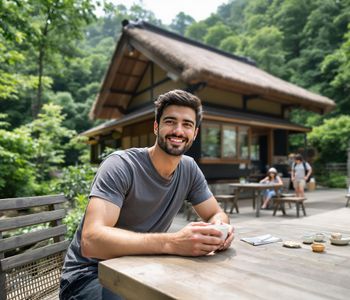
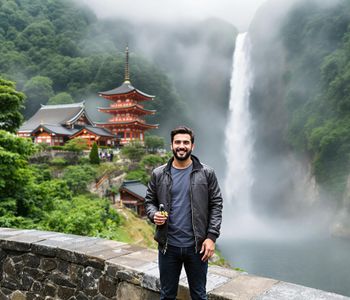

Explore the spiritual heart of Japan solo on the ancient trails of Kumano Kodo, immersing in nature and culture with a stay at the peaceful Jokiin.
Meet this Featured Explorer

-
 Occupation:
Freelance Software Developer
Occupation:
Freelance Software Developer
-
 Country:
Germany
Country:
Germany
-
 Age:
35
Age:
35
Ah, Evendo – welcome to my corner of the internet! I'm Giorgos, a software developer by trade, but a traveler and photographer at heart. Born and raised in Cyprus, I've always been drawn to history and culture. Now based in Berlin with my amazing wife, Lena, I spend my free time exploring the world, one click and snapshot at a time. This blog is where I share my adventures, offering tips, stories, and photos to inspire your own journeys. From ancient ruins to hidden gems, I'm all about authentic experiences and off-the-beaten-path destinations. Join me as I uncover the world's wonders!
- History
- Archaeology
- Technology
- Cypriot Culture
- Mediterranean Cuisine
Find Similar Travel Diaries
Explore locations from this diary
-
Jokiin
Discover Koya's serene charm at Jokiin, a welcoming guest house perfect for exploring the city's historic landmarks and natural beauty.
-
Kumano Hongu Taisha
Discover the spiritual beauty of Kumano Hongu Taisha, a historic Shinto shrine in Wakayama, Japan, renowned for its stunning architecture and serene landscapes.
-
Oyunohara
Discover the spiritual essence of Japan at Oyunohara, a revered Shinto shrine and the starting point of the Kumano Kodo pilgrimage routes.
-
Yunomine onsen Yuzutsu
Experience the therapeutic waters of Yunomine Onsen in Wakayama, where nature and tradition meet for a rejuvenating retreat.
-
Watarase onsen cafe
Discover serenity and flavor at Watarase Onsen Cafe in Tanabe – where traditional Japanese cuisine meets soothing hot springs.
-
Kumano Kodo Omotenashi-Kan
Discover Kumano Kodo Omotenashi-Kan: A charming cafe offering delicious coffee and local cuisine along Japan's historic pilgrimage route.
-
Tororoya
Experience authentic Japanese flavors at Tororoya in Tanabe, Wakayama—an essential stop on your culinary journey through Japan.
-
Wine Kumano
Experience authentic local cuisine and exquisite wines at Wine Kumano, a must-visit restaurant in Wakayama for food and wine lovers.