Cultural Exploration in Kyoto with Friends
Day 2: Golden Reflections and Zen Gardens: A Day of Temples in Kyoto
Discover Kyoto's spiritual heart with visits to Kinkaku-ji, Ryoan-ji, and Ninna-ji, exploring serenity and beauty in every corner.

A Glimpse into Kyoto's Soul
Today was all about immersing ourselves in the serene beauty and rich history of Kyoto's temples. It's fascinating to see how each temple offers a unique perspective on Japanese culture and spirituality. From the shimmering Kinkaku-ji, the enigmatic rock garden of Ryoan-ji, and the imperial elegance of Ninna-ji, Kyoto is truly a treasure trove of cultural wonders.
Our day began with a hearty breakfast at Gion Nanba. I opted for a traditional Japanese breakfast set, savoring the delicate flavors of grilled fish, miso soup, and perfectly steamed rice. It was a delightful way to fuel up for a day of temple hopping. I made a mental note to try to recreate some of these dishes when I get back to Berlin, perhaps inviting some of my German friends for a Puerto Rican-Japanese fusion dinner. That'll be a fun challenge!
Kinkaku-ji: The Golden Pavilion
Next on the agenda was Kinkaku-ji, the Golden Pavilion. As we approached, the sight of the temple shimmering in the morning sun was breathtaking. The gold leaf reflecting off the pond created a mesmerizing spectacle. It felt like stepping into a postcard, a perfect embodiment of Kyoto's iconic beauty. Built in 1397 as a retirement villa for Shogun Ashikaga Yoshimitsu, it was converted into a Zen Buddhist temple after his death. It's hard to believe that the original structure was burned down in 1950 by a monk and rebuilt in 1955. The dedication to preserving this cultural icon is truly admirable. I spent a good hour wandering around the gardens, taking photos from every angle. Even my friends, who aren't as into photography as I am, were snapping away, trying to capture the magic of the moment.
Explore Kinkaku-ji, the breathtaking Golden Pavilion in Kyoto, where history and nature blend beautifully in a tranquil setting.

In the realm of nature, golden views appear to those who bring with them the wealth of golden thoughts.
I learned that each floor of Kinkaku-ji represents a different architectural style. The first floor, in Shinden style, echoes the elegance of Heian-era palace buildings. The second floor, built in Bukke style, reflects samurai residences, while the third floor embodies the essence of a Zen temple. The gardens surrounding the pavilion are equally stunning, with meticulously manicured trees and serene ponds. I tossed a coin into the Anmintaku Pond, hoping for a bit of good luck. After exploring the gardens, we stopped at the Sekkatei Teahouse for some matcha tea and sweets. The tea was bitter and earthy, a perfect contrast to the sweetness of the mochi. Sipping tea while gazing at the Golden Pavilion was a quintessential Kyoto experience.
Ryoan-ji: The Zen Rock Garden
Our next stop was Ryoan-ji, home to Japan's most famous rock garden. Originally an aristocrat's villa during the Heian Period, it was converted into a Zen temple in 1450. The rock garden is a rectangular plot of pebbles surrounded by low earthen walls, with 15 rocks laid out in small groups on patches of moss. What's fascinating is that from any vantage point, at least one of the rocks is always hidden from view. The meaning of the garden is a mystery, with theories ranging from a tiger carrying cubs across a pond to islands in a sea. I sat on the wooden platform, contemplating the arrangement of the rocks. It was incredibly peaceful, a welcome respite from the crowds at Kinkaku-ji. I tried to clear my mind, to find some deeper meaning in the garden's simplicity. Maybe it's just a reminder that things aren't always as they seem, that there's always something hidden from view. The garden is viewed from the Hojo, the head priest's former residence. Besides the stone garden, the Hojo features some paintings on the sliding doors and a couple of smaller gardens on the rear side of the building. I found a round stone trough that cleverly incorporates its square water basin into a Zen inscription. It's these small details that make Ryoan-ji so special.

Discover the tranquil beauty of Ryōan-ji in Kyoto, a renowned Zen temple known for its iconic rock garden and rich cultural heritage.
After contemplating the Zen garden, we explored the temple grounds, including a spacious park area with a pond. The pond dates back to the time when the site served as an aristocrat's villa and features a small shrine on one of its islands. We strolled along the walking trails, enjoying the crisp winter air. As we walked, I thought about my life back in Berlin, about the constant hustle and bustle of the city. Here, in Kyoto, time seemed to slow down, allowing for reflection and contemplation.
Lunch at Hiroshima-Style Okonomiyaki & Teppan-yaki Kamehameha
For lunch, we ventured to Hiroshima-Style Okonomiyaki & Teppan-yaki Kamehameha. It was a tiny place, but the aroma of sizzling okonomiyaki filled the air. I ordered the set meal, which included okonomiyaki, omelette, and beef. The okonomiyaki was delicious, with crispy edges and a soft center. The omelette and beef were also tasty, complementing the main dish perfectly. It was definitely one of the best meals I've had in Japan so far. The staff were friendly and spoke fluent English, making us feel welcome and comfortable. It was a great place to enjoy good food and good company.
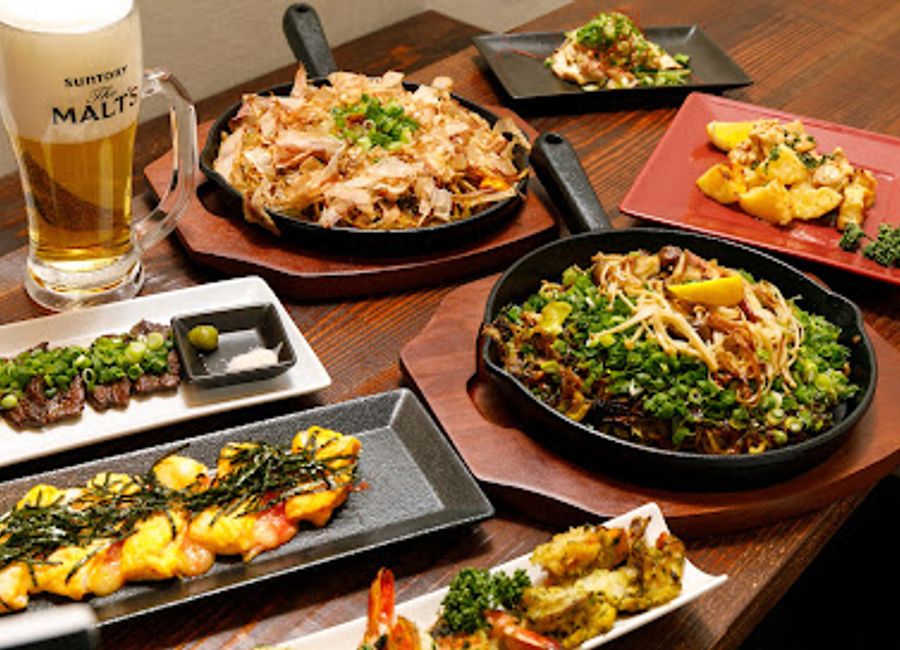
Discover authentic Hiroshima-style okonomiyaki at Kamehameha, Kyoto's premier destination for delicious Japanese cuisine.
Ninna-ji Temple: Imperial Elegance
In the afternoon, we visited Ninna-ji Temple, founded in 888 by Emperor Uda. It's a World Heritage Site and the head temple of the Omuro school of Shingon Buddhism. Ninna-ji has a unique history, as it was traditional for reigning Emperors to send a son to the temple to take over as head priest. After retiring from his throne, Emperor Uda became the first Monzeki, or aristocratic priest, of Ninna-ji. The temple was destroyed by fire during the Onin War in 1467 but was rebuilt in the early 17th century with the assistance of the Tokugawa Shogunate. Several buildings were relocated to Ninna-ji from the Imperial Palace, which was also being reconstructed at the time. The buildings at Ninna-ji include the Kondo, a National Treasure, and the Miedo, an Important Cultural Property.

Discover the tranquility and beauty of Ninna-ji Temple, a UNESCO World Heritage Site in Kyoto, showcasing stunning architecture and serene gardens.
As I wandered through the temple grounds, I was struck by the sense of history and imperial elegance. The five-story pagoda towered over the surroundings, a testament to the temple's enduring legacy. I explored the Goten, which mirrors the architectural style of imperial residences. The painted screen walls were exquisite, depicting scenes from nature and courtly life. I also visited the Reihokan Museum, which houses many cultural properties, including sculptures, paintings, and ancient documents. It was fascinating to see the principal image from the time of the temple's founding, an Amitabha triad. The temple is also known for its Omuro cherry trees, which bloom later than other cherry trees in Kyoto. It must be beautiful to see the temple grounds covered in pink blossoms. I'll have to plan a return trip in April to witness this spectacle.
The beauty of a temple lies not only in its architecture but in the tranquility it brings to the soul.
Before leaving Ninna-ji, I took a walk along the Joju-san Omuro 88 sacred sites, a miniature version of the Shikoku 88 Pilgrimage. It was a peaceful way to end our visit, a moment of reflection and gratitude.
Shopping for Crafts
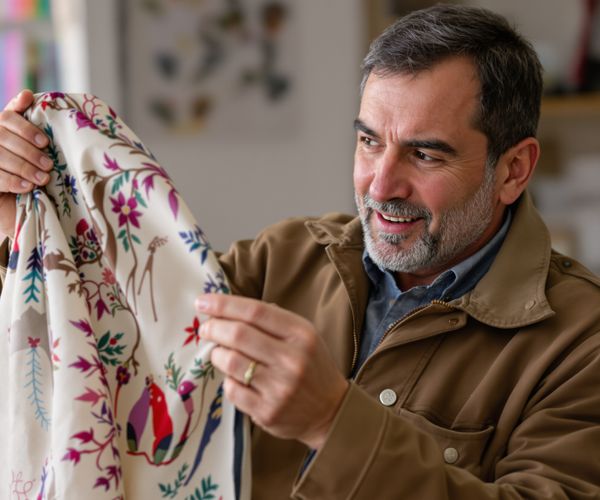
Before dinner, we stopped by the Kyoto Crafts Store. I was hoping to find some unique souvenirs to bring back to Berlin. The store had a wide selection of traditional crafts, including ceramics, textiles, and lacquerware. I ended up buying a beautiful ceramic tea set and a hand-painted silk scarf for my mom. I also picked up a few small items for myself, including a set of chopsticks and a small wooden box. It was fun to browse the store and admire the craftsmanship of the local artisans.

Explore the essence of Kyoto's artistry at the Kyoto Crafts Store, where traditional handicrafts meet contemporary charm.
Dinner at Teppan Tavern Tenamonya
For dinner, we headed to Teppan Tavern Tenamonya. I had read rave reviews about this place, and I was eager to try their teppanyaki. The tavern was small and cozy, with a lively atmosphere. The chefs prepared the food right in front of us, grilling various meats and vegetables on a teppan grill. I ordered the wagyu steak, which was cooked to perfection. It was tender and juicy, melting in my mouth with every bite. The staff were friendly and attentive, making sure we had everything we needed. It was a memorable dining experience, a perfect way to end a day of temple hopping.

Experience authentic teppanyaki at Teppan Tavern Tenamonya, Kyoto's premier destination for Japanese cuisine in a lively izakaya setting.
As I reflect on today's adventures, I feel a deep sense of gratitude for the opportunity to experience the beauty and tranquility of Kyoto's temples. Each temple offered a unique perspective on Japanese culture and spirituality, leaving me with a deeper appreciation for this incredible city. Tomorrow, we're off to Fushimi Inari Shrine with its thousands of torii gates, Tofuku-ji Temple, and Sanjusangendo Temple. I can't wait to see what wonders await us.
I'm also looking forward to trying out L'Escamoteur, a bar that my guidebook recommends. It will be a nice way to relax after another day of exploring. For now, it's time to rest and recharge for another day of adventures in Kyoto. I’m starting to feel more and more connected to this city, and I can’t wait to see what else it has in store for me and my friends.



Embark on a cultural journey through Kyoto with friends, exploring historic temples, savoring local cuisine, and experiencing traditional Japanese hospitality.
Meet this Featured Explorer

-
 Occupation:
Freelance Content Writer & Social Media Manager
Occupation:
Freelance Content Writer & Social Media Manager
-
 Country:
Germany
Country:
Germany
-
 Age:
29
Age:
29
¡Hola, wanderlusters! I'm Kevin Rivera, a Puerto Rican native currently living in the vibrant city of Berlin. I'm a freelance content writer and social media manager by trade, but my true passion lies in exploring the world and sharing my adventures with you. Through my blog, I hope to inspire you to embrace new cultures, step outside your comfort zone, and discover the beauty that this planet has to offer. Whether you're a seasoned traveler or just starting to plan your first trip, I'm here to provide you with tips, insights, and a healthy dose of wanderlust.
Find Similar Travel Diaries
Explore locations from this diary
-
Matsui Bekkan Hanakanzashi
Experience the charm of Kyoto at Matsui Bekkan Hanakanzashi, a guest house offering comfort, relaxation, and local culture just steps from key attractions.
-
Kinkaku-ji
Explore Kinkaku-ji, the breathtaking Golden Pavilion in Kyoto, where history and nature blend beautifully in a tranquil setting.
-
Ryōan-ji
Discover the tranquil beauty of Ryōan-ji in Kyoto, a renowned Zen temple known for its iconic rock garden and rich cultural heritage.
-
Ninna-ji Temple
Discover the tranquility and beauty of Ninna-ji Temple, a UNESCO World Heritage Site in Kyoto, showcasing stunning architecture and serene gardens.
-
Gion Nanba
Discover authentic kaiseki cuisine at Gion Nanba, where tradition meets taste in Kyoto's historic Gion district.
-
Hiroshima-Style Okonomiyaki & Teppan-yaki Kamehameha
Discover authentic Hiroshima-style okonomiyaki at Kamehameha, Kyoto's premier destination for delicious Japanese cuisine.
-
Teppan Tavern Tenamonya
Experience authentic teppanyaki at Teppan Tavern Tenamonya, Kyoto's premier destination for Japanese cuisine in a lively izakaya setting.
-
Kyoto Crafts Store
Explore the essence of Kyoto's artistry at the Kyoto Crafts Store, where traditional handicrafts meet contemporary charm.