Exploring the Cultural Heritage of Shirakawa-go with Hans
Day 6: A Day Immersed in Shirakawa-go's Natural Beauty and Timeless Traditions
Explore Shirakawa-go's serene Nature Forest & Hida no Sato museum. Indulge in local flavors at Irori, Masuzono Bunsuke, & Morizen. A cultural feast!
Whispers of the Past, Echoes of Nature
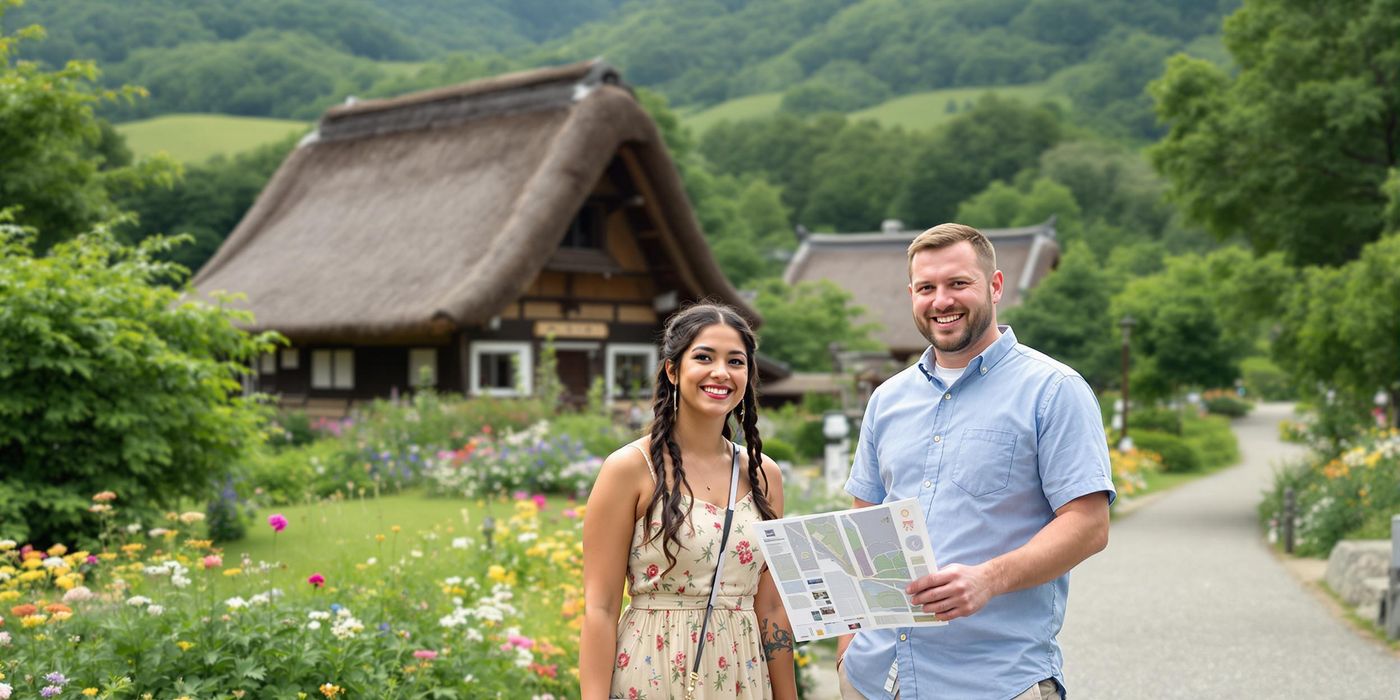
Today was a day of deep immersion into the heart of Shirakawa-go, a place where time seems to slow down, and the whispers of the past mingle with the vibrant energy of the present. Hans and I embraced the day with open hearts, ready to explore the natural beauty and cultural treasures that this UNESCO World Heritage site had to offer. It was a day filled with serene landscapes, intriguing history, and, of course, the delightful flavors of the region.
Our day began with a hearty breakfast at Shirakawago Restaurant Irori. The aroma of traditional Japanese cuisine filled the air as we stepped inside, and the rustic charm of the eatery immediately captivated us. I opted for the Hoba Miso pork, a local specialty, while Hans chose the grilled tofu set. My dish was a revelation – the deep, sweet, and nutty flavor of the miso perfectly complementing the tender Hida pork. Hans was equally impressed with his tofu, noting its thick, dense texture and rich soy flavor. It was the perfect start to a day of exploration, fueling us for the adventures that lay ahead.
After breakfast, we ventured into the Nature Forest, eager to immerse ourselves in the tranquility of the Japanese countryside. The forest was a symphony of green, with towering trees forming a lush canopy overhead. Sunlight filtered through the leaves, creating dappled patterns on the forest floor. As we walked along the winding trails, we were enveloped by the sounds of nature – the gentle rustling of leaves, the chirping of birds, and the distant murmur of a stream. It was a welcome escape from the hustle and bustle of city life, a chance to reconnect with the natural world and find inner peace.
Explore the breathtaking Nature Forest in Takayama, Gifu, where nature meets cultural heritage in a tranquil setting.

The air was fresh and clean, carrying the scent of pine and damp earth. I felt a sense of calm wash over me as we strolled hand-in-hand, marveling at the beauty that surrounded us. Hans, ever the curious one, pointed out various plants and trees, sharing his knowledge of botany and ecology. I was grateful for his companionship, for his ability to see the world with such wonder and appreciation.
As we continued our walk, we stumbled upon a hidden clearing, a small meadow bathed in sunlight. Wildflowers bloomed in a riot of colors, their delicate petals swaying gently in the breeze. We paused for a moment, taking in the scene before us, feeling a sense of awe and gratitude for the beauty of nature.
Leaving the Nature Forest, we made our way to the Hida no Sato Open Air Museum, a living testament to the region's rich cultural heritage. This museum is a collection of over 30 traditional houses from the Hida region, all carefully preserved and open for exploration. As we wandered through the village-like setting, we were transported back in time, gaining a glimpse into the lives of the people who once called these houses home.
Discover the enchanting Hida no Sato Open Air Museum in Takayama, where traditional architecture and local culture come to life amidst stunning natural beauty.
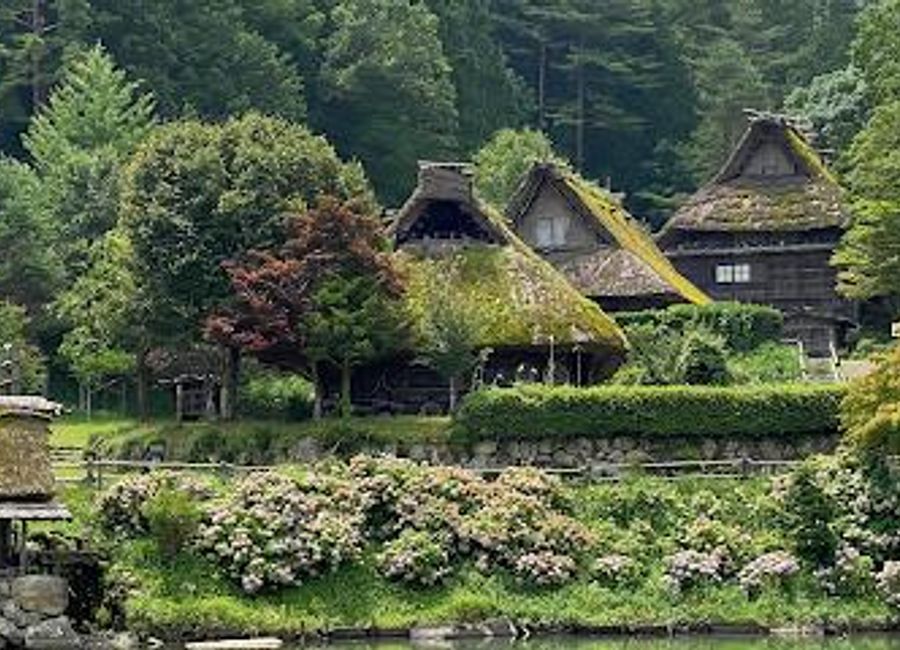
The gassho-zukuri farmhouses were particularly impressive, their steep thatched roofs resembling hands joined in prayer. These roofs were designed to withstand the heavy snowfall that blankets the region each winter, a testament to the ingenuity and resilience of the local people. Inside the houses, we found tools and utensils used in everyday life, offering a tangible connection to the past.
I was particularly fascinated by the indoor fireplaces, which are lit every morning, filling the air with a smoky aroma that evokes a sense of warmth and nostalgia. Hans, meanwhile, was drawn to the wooden architecture of the buildings, admiring the craftsmanship and attention to detail.
We also had the opportunity to witness demonstrations of traditional handicrafts, such as weaving and pottery. It was inspiring to see these ancient skills being kept alive, passed down from one generation to the next. I even tried my hand at weaving, but quickly realized that it was much more difficult than it looked. I left with a newfound appreciation for the artistry and dedication of the local craftsmen.
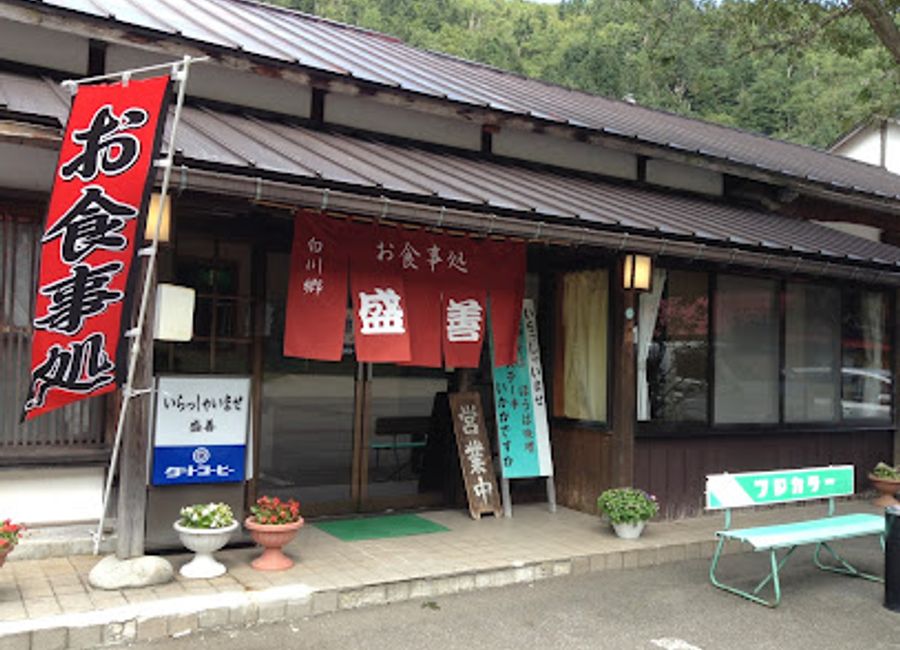
For lunch, we decided to try Masuzono Bunsuke, a small family restaurant known for its fresh river fish dishes. The restaurant was located a short walk from the main town, offering a serene and quiet atmosphere away from the crowds. As we stepped inside, we were greeted by the friendly owner, who led us to a table overlooking a tranquil pond.
Experience authentic Japanese dining at Masuzono Bunsuke in Shirakawa – where tradition meets taste.

I opted for the Masuen set meal, which included grilled salted char, rainbow trout cooked in sweet sauce and in sashimi, and fried masu trout. Hans chose the Iwana set menu, which featured various dishes made with char. My meal was a symphony of flavors and textures, the freshness of the fish shining through in every bite. The sashimi was particularly delicious, the delicate flesh melting in my mouth. Hans was equally impressed with his char dishes, praising their subtle smoky flavor and tender texture.
The owner explained that the fish were raised in the pond just outside the restaurant, ensuring their freshness and quality. It was a testament to the restaurant's commitment to using local ingredients and sustainable practices. As we savored our meal, we felt a sense of gratitude for the simple pleasures of life – good food, good company, and a beautiful setting.
In the late afternoon, as the sun began to dip below the horizon, we made our way to Morizen for dinner, a restaurant specializing in Hoba Miso. The restaurant's warm and inviting atmosphere immediately made us feel at home. The aroma of grilling miso filled the air, tantalizing our taste buds and heightening our anticipation.
Experience authentic Japanese flavors at Morizen in Shirakawa – where tradition meets taste amidst stunning landscapes.
We both ordered the Hoba Miso set, eager to experience this local delicacy. The set included a generous portion of Hida beef, a selection of fresh vegetables, and a rich, flavorful miso paste, all served on a hoba leaf. We carefully placed the ingredients on the leaf, allowing them to sizzle and caramelize over the open flame. The aroma was intoxicating, a blend of sweet, savory, and smoky notes.
The beauty of Shirakawa-go lies not only in its stunning landscapes and unique architecture, but also in the warmth and resilience of its people.
As we savored our meal, we felt a sense of connection to the region and its people. The Hoba Miso was a celebration of local ingredients and traditional cooking methods, a testament to the culinary heritage of Shirakawa-go. It was a truly unforgettable dining experience, one that we would cherish for years to come.
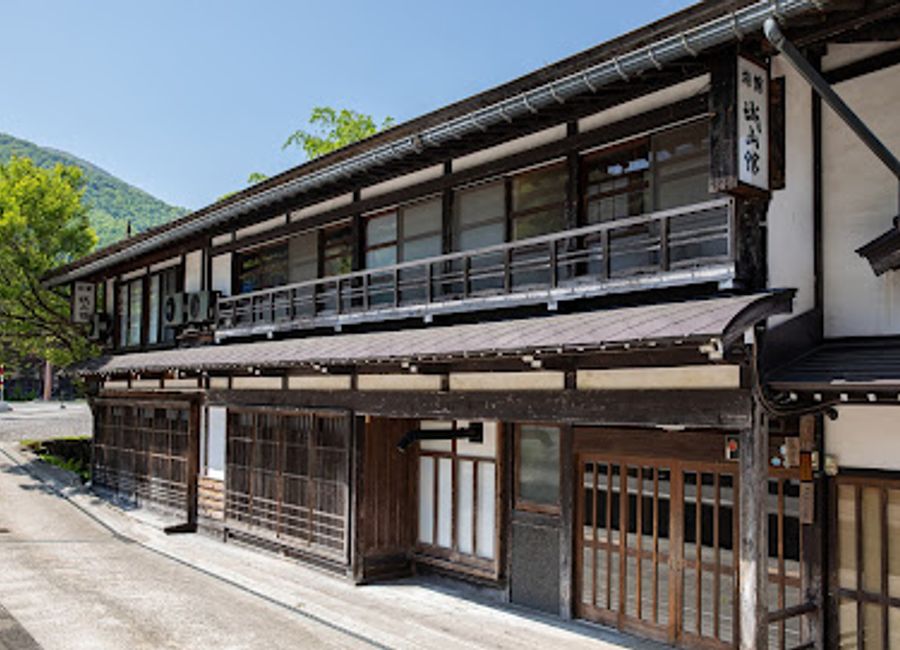
To cap off our day, we decided to visit Shiroyamakan for a drink, hoping to experience some of the village's nightlife. The bar had a cozy and inviting atmosphere, with friendly locals and fellow travelers mingling and sharing stories. We ordered a couple of local sake, eager to sample the region's unique flavors. The sake was smooth and refreshing, with a subtle sweetness that lingered on the palate. As we sipped our drinks, we listened to the lively conversations around us, feeling a sense of belonging and camaraderie.
Experience the essence of Japan at Shiroyamakan, a traditional inn offering authentic cuisine and stunning views in Shirakawa.
The bartender, a jovial man with a warm smile, shared stories about the history of Shirakawa-go and the traditions of the local people. He spoke with passion and pride, conveying a deep love for his home. I was struck by his sense of community, his willingness to share his knowledge and experiences with others. It was a reminder that travel is not just about seeing new places, but also about connecting with new people and learning about different cultures.
As the evening drew to a close, we made our way back to our guesthouse, our hearts full of gratitude for the experiences we had shared. Today had been a day of deep immersion into the heart of Shirakawa-go, a place where time seems to slow down and the beauty of nature intertwines with the richness of culture.
I felt a sense of awe and wonder as I reflected on the day's events. From the serene landscapes of the Nature Forest to the historic farmhouses of Hida no Sato, from the fresh river fish at Masuzono Bunsuke to the flavorful Hoba Miso at Morizen, every moment had been a feast for the senses. But more than that, it had been a journey of connection – connection to nature, connection to history, and connection to the people of Shirakawa-go.
As I drifted off to sleep, I couldn't help but feel excited about what tomorrow might bring. We'll be heading to Ishikawa Prefecture, where we plan to visit the Ishikawa Prefectural Noh Theater and the Jin Homura Art Museum. I'm particularly looking forward to experiencing the traditional Japanese art of Noh theater, as well as exploring the unique art collection at the Jin Homura Art Museum. And of course, we'll be sure to sample the local cuisine, with breakfast at Hiiragi, lunch at Yamamotoya, and dinner at Shiraogi. It promises to be another day of cultural immersion and exploration, a chance to delve deeper into the heart of Japan.
Before I close out tonight's entry, I'm reminded that I still need to pick up a Japanese phrasebook and a portable power bank. It seems I forgot to pack them before we left Berlin! Hopefully, I will find them tomorrow when we visit Kataribe, a local shop in Ishikawa.
Until then, goodnight from Shirakawa-go, where the whispers of the past echo in the stillness of the night.

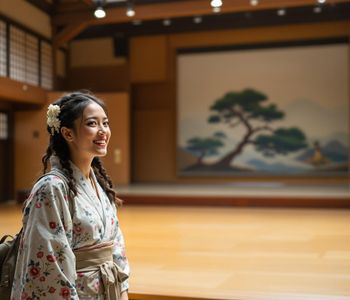

Join Lucia and Hans as they explore the traditional charm of Shirakawa-go, immersing in local culture and sustainable living in the Japanese countryside.
Meet this Featured Explorer

-
 Occupation:
Urban Beekeeper
Occupation:
Urban Beekeeper
-
 Country:
Germany
Country:
Germany
-
 Age:
32
Age:
32
Hola! I'm Lucia Moreno, a Spanish expat living in Berlin, and I'm passionate about sustainable travel and environmental conservation. As an urban beekeeper, I'm deeply connected to nature, and I love exploring new cultures while minimizing my impact on the planet. Join me as I share my adventures, tips, and insights on how to travel responsibly and make a positive difference in the world.
- Sustainable living
- Environmental conservation
- Exploring different cultures
- Learning new languages
- Trying new cuisines
Find Similar Travel Diaries
Explore locations from this diary
-
Nature Forest
Explore the breathtaking Nature Forest in Takayama, Gifu, where nature meets cultural heritage in a tranquil setting.
-
Hida no Sato Open Air Museum
Discover the enchanting Hida no Sato Open Air Museum in Takayama, where traditional architecture and local culture come to life amidst stunning natural beauty.
-
Shirakawago Restaurant Irori
Experience authentic Japanese cuisine at Shirakawago Restaurant Irori, nestled in the scenic beauty of Shirakawa-go's heritage village.
-
Masuzono Bunsuke
Experience authentic Japanese dining at Masuzono Bunsuke in Shirakawa – where tradition meets taste.
-
Morizen
Experience authentic Japanese flavors at Morizen in Shirakawa – where tradition meets taste amidst stunning landscapes.
-
Shiroyamakan
Experience the essence of Japan at Shiroyamakan, a traditional inn offering authentic cuisine and stunning views in Shirakawa.