Exploring the Cultural Riches of Kyoto with Friends
Day 5: Kyoto's Serene Beauty: A Day on the Philosopher's Path
Discover Kyoto's tranquil side with Lucia and friends as they explore the Philosopher's Path, Ginkaku-ji, and Nanzen-ji Temple.
Whispers of Zen: A Kyoto Pilgrimage
Today was all about embracing the quiet side of Kyoto, a stark contrast to the bustling markets we explored earlier in the week. It was a day for reflection, for soaking in the serene atmosphere that permeates this ancient city. Hans and I, along with our friends, set out to wander along the famed Philosopher's Path, a route that promised not just scenic beauty, but also a chance to connect with the city's spiritual heart.
Our day began with breakfast at Hyoto Shijo Karasuma. The reviews I'd read online raved about their shabu shabu, and they were spot on. The waitresses and waiters showed excellent hospitality, and the food was delicious. It was the perfect way to fuel up for a day of walking and contemplation. The restaurant was elegant, and everything was very fresh. I made sure to get a reservation in advance because I heard the place can get pretty busy.
After breakfast, we made our way to the Philosopher's Path. The crisp February air nipped at our cheeks, but the sun peeked through the clouds, casting a gentle light on the path ahead. The Philosopher's Path, or *Tetsugaku no Michi* as it’s known in Japanese, is a canal-side walkway that follows a stream lined with cherry trees. Although the cherry blossoms were still weeks away from blooming, the bare branches had their own stark beauty against the backdrop of the Higashiyama mountains. I could imagine how dreamy it must be in early April when the cherry blossoms are in full bloom.

Explore the Philosopher's Path, a serene journey through nature and philosophy in Kyoto, lined with cherry blossoms and historic temples.
As we strolled, I couldn't help but think of Nishida Kitaro, the philosopher for whom the path is named. He apparently used to walk this route daily in deep contemplation. It was easy to see why – the gentle murmur of the stream, the rustling of the trees, and the quiet solitude of the path were conducive to introspection. We walked at a leisurely pace, stopping occasionally to admire the small temples and gardens that dotted the route. The Philosopher's Path is about 1.5 kilometers long. Even though it's a relatively short walk, we took our time to soak in the atmosphere. I made sure to wear my comfortable walking shoes, and I was glad I did.
Sometimes, the greatest journeys are not about where you go, but how you see the world along the way.
Our first major stop was Ginkaku-ji, the Silver Pavilion. Unlike its more famous golden counterpart, Ginkaku-ji isn't actually covered in silver. Instead, it embodies the Japanese aesthetic of *wabi-sabi*, finding beauty in imperfection and simplicity. The pavilion was originally built as a retirement villa for Shogun Ashikaga Yoshimasa, who, disillusioned with politics, sought solace in art and culture. The Silver Pavilion was peaceful and calm. The gardens were meticulously designed, with raked gravel representing the sea and carefully placed stones forming miniature landscapes. I found myself drawn to the serenity of the place, a world away from the hustle and bustle of Berlin. Hans was fascinated by the *Kogetsudai* and *Ginshadan*, the sand sculptures that are said to be metaphors for enlightenment.
Leaving Ginkaku-ji, we continued along the Philosopher's Path towards our next destination: Nanzen-ji Temple. Along the way, we stopped at the Sanjo Meiten-gai Shopping Arcade. I'd read that it's a great place to find traditional crafts and local goods. While we didn't buy anything, it was fun to browse the shops and soak in the local atmosphere. I was looking for a Japanese phrasebook because I unfortunately forgot mine, but I couldn't find one.
By the time we reached Nanzen-ji Temple, the sun was beginning to dip in the sky, casting long shadows across the temple grounds. Nanzen-ji is one of the most important Zen temples in Japan, and its sheer size and grandeur were impressive. We wandered through the massive Sanmon entrance gate, marveling at its intricate carvings and imposing presence. The gate was constructed in 1628 by the ruling Tokugawa clan for soldiers who died in the siege of Osaka Castle in 1615.

Explore the tranquil beauty and rich history of Nanzen-ji Temple, a stunning Buddhist sanctuary nestled in the heart of Kyoto's natural landscape.
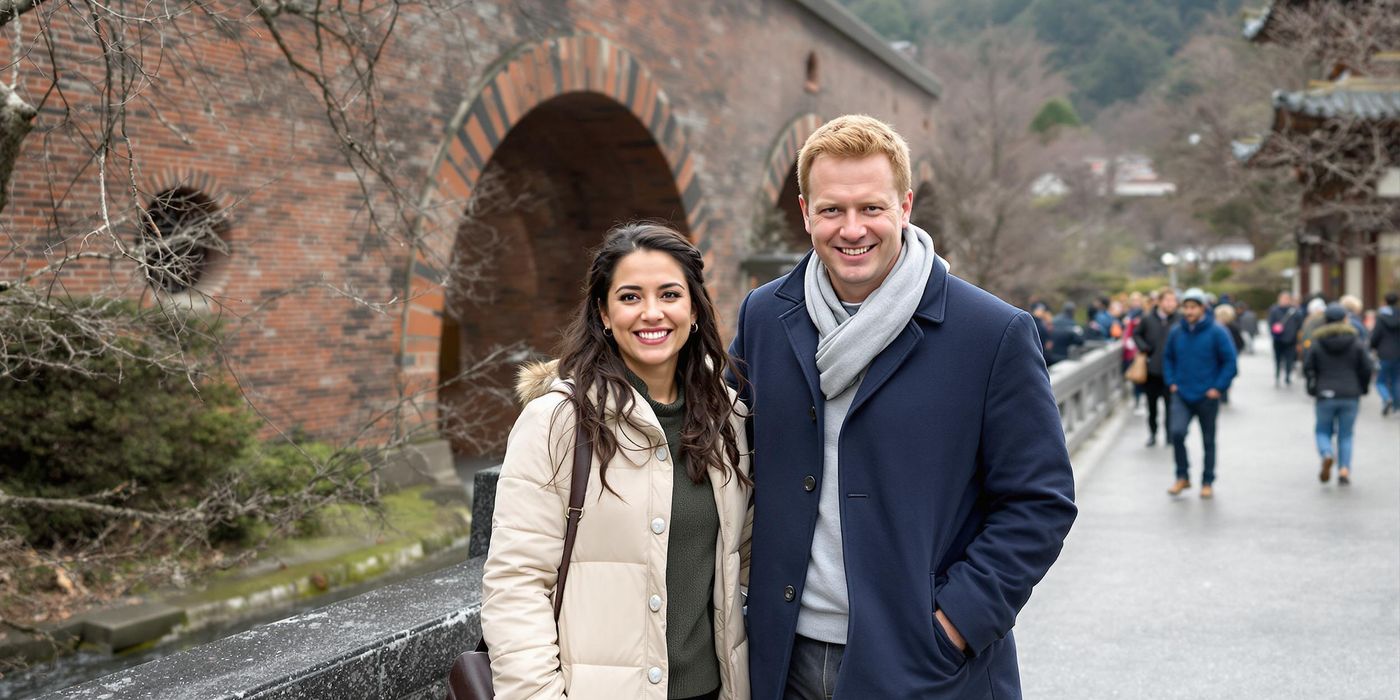
One of the most striking features of Nanzen-ji was the brick aqueduct that cut through the temple grounds. Built during the Meiji Period, the aqueduct is part of a canal system that was designed to carry water and goods between Kyoto and Lake Biwa. It was an odd but fascinating sight, a testament to the blend of tradition and modernity that defines Kyoto.
We explored the Hojo, the former head priest's residence, and admired its famous rock garden. The rocks are said to resemble tigers and cubs crossing through water. I'm not sure I saw tigers, but the garden was beautiful nonetheless, a perfect example of Zen landscape design.
For lunch, we stopped at Yasakadori Enraku. This restaurant is known for its Oden. Oden is a traditional Japanese hotpot dish. The restaurant was beautiful, and it had a calm atmosphere. It was the perfect spot for a quiet lunch in Kyoto. The staff was very friendly, and the Oden was delicious. We enjoyed a leisurely meal in the elegant atmosphere. I had read online that this place is popular among EU tourists.
As evening approached, we decided to treat ourselves to dinner at Teppan Tavern Tenamonya. I had read online that this restaurant is run by a husband and wife. The reviews said that the couple's friendly personalities have many fans, and the restaurant has a lively, casual atmosphere. Unfortunately, when I emailed them for a reservation, they rejected my reservation because they do not cater to herbivores. Apparently, at least one person in the party has to order meat. So we decided to try something else.
February in Kyoto can be quite chilly, especially in the evenings. The weather forecast for today was accurate, with temperatures hovering around 42°F (6°C). Luckily, I had packed my light jacket, which kept me warm as we strolled through the city. Before heading back to Gion Misen Furumonzen, we stopped by a cozy cafe for some hot matcha lattes. It was the perfect way to end a day of exploring.
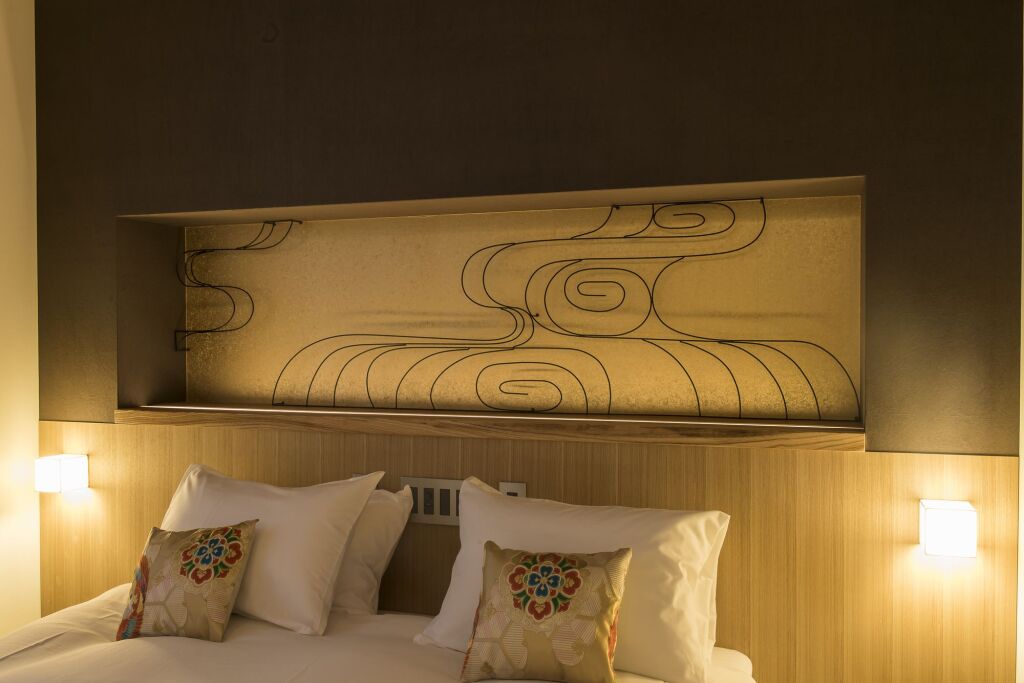
Discover Gion Misen Furumonzen, a charming hotel in Kyoto offering comfort and convenience near Yasaka Shrine and Maruyama Park for all travelers.
Tomorrow, we plan to delve into Kyoto's more modern side with a visit to the Kyoto Railway Museum and the Toei Kyoto Studio Park. I'm excited to see a different facet of this multifaceted city. We might even end our day with a drink at BEE’S KNEES.
As I sit here writing this, I'm filled with a sense of peace and contentment. Today was a reminder that sometimes, the most rewarding travel experiences are the ones where you slow down, take a breath, and simply soak in the beauty around you. Kyoto has a way of doing that to you, of inviting you to connect with its history, its culture, and its spiritual essence. And I'm grateful for every moment of it.


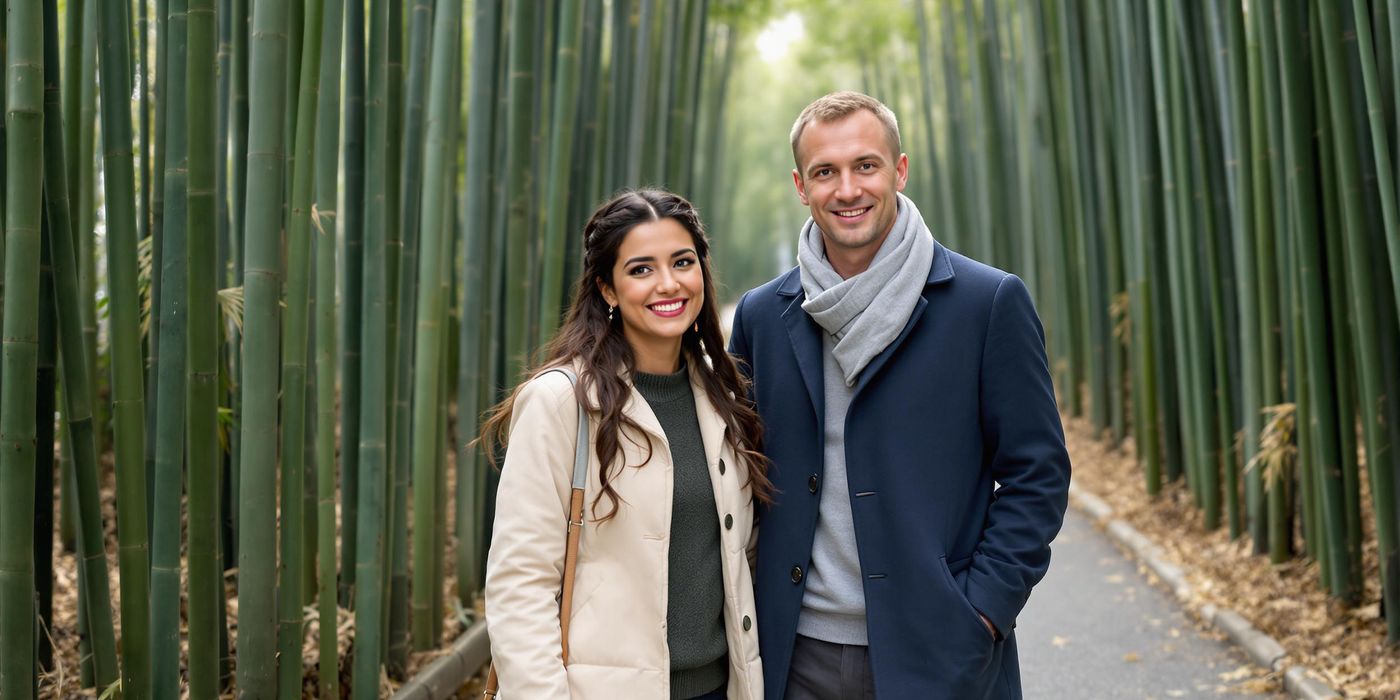
Join Lucia and friends as they explore the cultural wonders of Kyoto, embracing tradition and modernity in Japan's historic heart.
Meet this Featured Explorer

-
 Occupation:
Urban Beekeeper
Occupation:
Urban Beekeeper
-
 Country:
Germany
Country:
Germany
-
 Age:
32
Age:
32
Hola! I'm Lucia Moreno, a Spanish expat living in Berlin, and I'm passionate about sustainable travel and environmental conservation. As an urban beekeeper, I'm deeply connected to nature, and I love exploring new cultures while minimizing my impact on the planet. Join me as I share my adventures, tips, and insights on how to travel responsibly and make a positive difference in the world.
- Sustainable living
- Environmental conservation
- Exploring different cultures
- Learning new languages
- Trying new cuisines
Find Similar Travel Diaries
Explore locations from this diary
-
Gion Misen Furumonzen
Discover Gion Misen Furumonzen, a charming hotel in Kyoto offering comfort and convenience near Yasaka Shrine and Maruyama Park for all travelers.
-
Philosopher's Path
Explore the Philosopher's Path, a serene journey through nature and philosophy in Kyoto, lined with cherry blossoms and historic temples.
-
Higashiyama Jisho-ji
Discover the serene beauty of Higashiyama Jisho-ji, a historic Buddhist temple and natural oasis in Kyoto, Japan.
-
Nanzen-ji Temple
Explore the tranquil beauty and rich history of Nanzen-ji Temple, a stunning Buddhist sanctuary nestled in the heart of Kyoto's natural landscape.
-
Hyoto Shijo Karasuma
Experience authentic Japanese flavors with exquisite hot pot and Kaiseki dishes at Hyoto Shijo Karasuma in Kyoto.
-
Yasakadori Enraku
Experience the artistry of Kaiseki dining at Yasakadori Enraku in Kyoto – where tradition meets culinary excellence.
-
Teppan Tavern Tenamonya
Experience authentic teppanyaki at Teppan Tavern Tenamonya, Kyoto's premier destination for Japanese cuisine in a lively izakaya setting.
-
Sanjo Meiten-gai Shopping Arcade
Discover the heart of Kyoto at Sanjo Meiten-gai Shopping Arcade, where traditional charm meets modern shopping and dining.