Cultural Immersion in Historic Kyoto
Day 1: Glimmers of Gold and Whispers of Zen: A Day of Kyoto's Spiritual Wonders
Discover Kyoto's serene beauty with visits to Kinkaku-ji, Ryoan-ji, and Ninna-ji, experiencing the city's rich cultural heritage.

Golden Reflections and Silent Stones
Today marked the beginning of our Kyoto adventure, and what a start it was! Leaving behind the familiar streets of Berlin for the ancient capital of Japan felt like stepping into a different world altogether. I was especially excited to share this experience with Greta and Lila, hoping to create memories that would last a lifetime. Despite the January chill, Kyoto welcomed us with open arms and a promise of cultural immersion.
Our first stop was Kinkaku-ji, the Golden Pavilion. I had seen countless photos of this iconic temple, but nothing could have prepared me for the sheer magnificence of seeing it in person. The shimmering gold leaf reflecting off the still pond was a sight to behold. It felt like a scene lifted straight from a postcard, almost too perfect to be real. The history of the temple is fascinating, originally built as a retirement villa for Shogun Ashikaga Yoshimitsu in 1397, it was later converted into a Zen temple after his death. The structure has been rebuilt a few times, notably in 1955 after a fire. Each floor represents a different architectural style - the first is Shinden, the second is Bukke, and the third is Chinese Zen. I tried to imagine what it must have been like to live here centuries ago, surrounded by such opulence and tranquility. Lila was absolutely mesmerized by the golden shimmer, and Greta, ever the historian, was busy capturing every angle with her camera.

Explore Kinkaku-ji, the breathtaking Golden Pavilion in Kyoto, where history and nature blend beautifully in a tranquil setting.
After soaking in the golden glow of Kinkaku-ji, we headed to Ryoan-ji Temple, home to Japan's most famous rock garden. The contrast between the opulent Golden Pavilion and the austere rock garden was striking. As we approached the garden, a sense of calm washed over me. The garden itself is a rectangular plot of pebbles surrounded by low earthen walls, with fifteen rocks laid out in small groups on patches of moss. It's deceptively simple, yet incredibly profound.

Discover the tranquility of Ryōan-ji, a Zen Buddhist temple in Kyoto, featuring a world-famous rock garden and serene landscapes that inspire peace and reflection.
Sometimes, the most profound beauty lies in simplicity and the invitation to contemplate the unseen.
The mystery surrounding the garden's origins and meaning only added to its allure. Some say it represents islands in a sea, others a tiger carrying cubs across a pond. I found myself drawn to the idea that the garden represents an abstract concept like infinity. There's a unique feature in its design: from any vantage point, at least one of the rocks is always hidden from view. It's a clever trick that encourages contemplation and a shift in perspective, reminding me of a Zen riddle that invites you to find your own meaning. The garden is viewed from the Hojo, and features paintings and smaller gardens on the rear side of the building. We spent a good hour simply sitting and observing, each of us lost in our own thoughts. Lila, surprisingly, was quite taken with the garden, asking questions about the rocks and their arrangement. It was a wonderful moment of connection, sharing a quiet space and appreciating the beauty of simplicity.
For lunch, we found ourselves at Katsukura - Kyoto Porta, drawn in by the promise of authentic tonkatsu. And it did not disappoint! The restaurant was bustling with locals and tourists alike, all eager to taste their famous pork cutlets. I opted for the classic Katsukura Tonkatsu Set, while Greta chose the pork tenderloin with prawn cutlet. Lila, of course, went for the kids' meal, which came with a cute assortment of bite-sized goodies. The tonkatsu was crispy on the outside, tender and juicy on the inside, and the sauce was the perfect blend of sweet and savory. What made it even better was the fact that you could grind your own sesame seeds to add to the sauce, a fun and interactive touch. We all left feeling satisfied and energized, ready for our next adventure.

Discover authentic Tonkatsu at Katsukura - a must-visit Japanese restaurant in Kyoto offering delightful flavors in a modern setting.
Our final stop of the day was Ninna-ji Temple, founded in 888 CE by Emperor Uda. It's a World Heritage Site with serene beauty and profound religious significance. As the head temple of the Omuro School of Shingon Buddhism, Ninna-ji offers a glimpse into the intertwining of imperial power and Buddhist practice. The temple was originally a summer villa for the Imperial Family, known as Omuro Palace. After abdicating, Emperor Uda became the first Monzeki, or aristocratic priest, of Ninna-ji. The buildings were unfortunately burnt down in 1468 during the Onin War, but were rebuilt in the early 17th century. The complex houses many national treasures, and the grounds are home to a special breed of cherry trees called omuro sakura.

Discover the tranquility and beauty of Ninna-ji Temple, a UNESCO World Heritage Site in Kyoto, showcasing stunning architecture and serene gardens.
Ninna-ji exudes a sense of history and grandeur. The five-story pagoda was particularly impressive, its elegant form rising gracefully against the winter sky. We wandered through the temple grounds, admiring the traditional architecture and soaking in the peaceful atmosphere. Lila enjoyed running around the open spaces, while Greta appreciated the intricate details of the temple's design. I found myself reflecting on the temple's long and storied past, imagining the emperors and priests who had walked these same paths centuries ago.
Before dinner, we stopped by Noren by Corazon, a shop that Teshima-San, the Marketing Manager, told me has souvenirs that spotlight the originality and creativity of Japan. I was looking for a special memento to bring back to Berlin, and Noren by Corazon seemed like the perfect place to find it. The shop was filled with beautifully designed and contemporary souvenirs, a refreshing change from the usual tourist kitsch. I ended up buying a beautiful *noren* (Japanese fabric divider) with a traditional design, which I plan to hang in our living room as a reminder of our trip. Greta found a delicate *furoshiki* (wrapping cloth) with a cherry blossom pattern, while Lila chose a cute *omamori* (lucky charm) for good luck.

Explore Noren by Corazon in Kyoto for unique souvenirs that reflect the city's rich culture and craftsmanship.
For dinner, we decided to treat ourselves to a Michelin-starred experience at Gion Nanba. Tucked away in a Kyoto-like alley near Yasaka Shrine, this kaiseki restaurant promised an evening of culinary delights. And it certainly delivered! From the moment we stepped inside, we were enveloped in an atmosphere of calm and elegance. The restaurant is run by a grandpa and grandma, and they are super friendly! The kaiseki cuisine was a work of art, each dish meticulously prepared with seasonal ingredients and presented with exquisite attention to detail. The chef's innovative use of flavors and textures was truly impressive, and every bite was a revelation.

Discover authentic kaiseki cuisine at Gion Nanba, where tradition meets taste in Kyoto's historic Gion district.
I particularly enjoyed the *hishigani* (horsehair crab), which was incredibly fresh and flavorful. Greta raved about the steamed abalone, while Lila surprised us all by devouring the tiger shrimp. The service was impeccable, with the staff going above and beyond to explain each dish and ensure our comfort. It was a truly memorable dining experience, and a perfect way to end our first day in Kyoto.
As we made our way back to hotel MONday Kyoto Marutamachi, I couldn't help but feel a sense of gratitude for the experiences we had shared today. Kyoto had already exceeded my expectations, and I was excited to see what adventures tomorrow would bring. Tomorrow, we plan to visit the Kyoto Imperial Palace, Kyoto Gyoen National Garden and Nijo Castle, so stay tuned! Despite forgetting my raincoat, the day was beautiful, and I'm excited for what's to come.
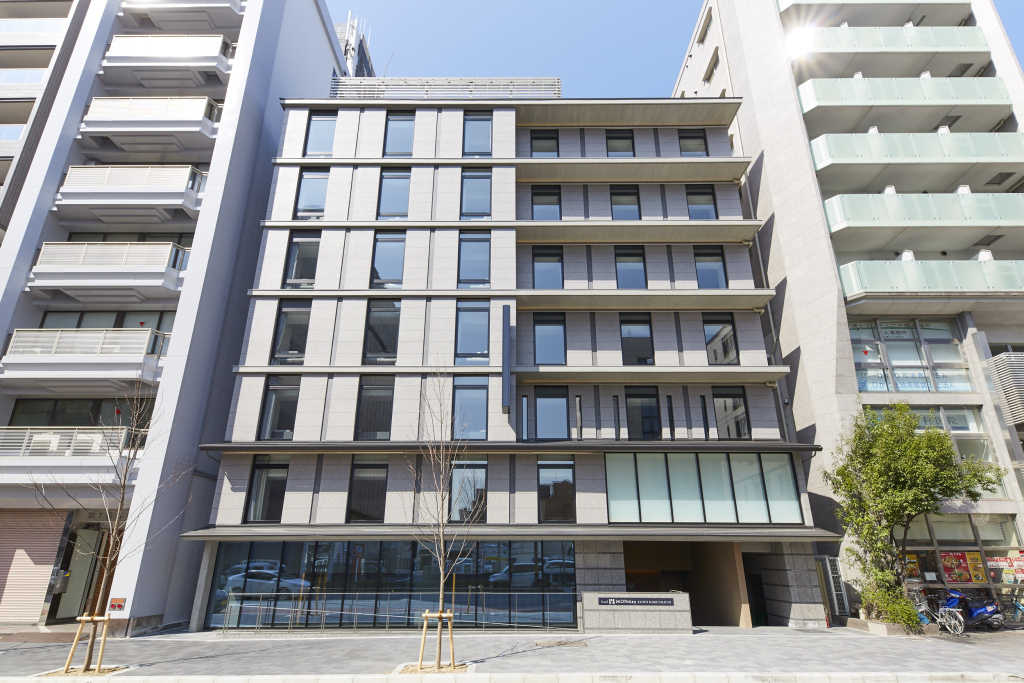
Experience comfort and convenience at Hotel MONday Kyoto Marutamachi, located near iconic attractions like Nijo Castle and Kyoto International Manga Museum.
Kyoto is more than just temples and gardens; it's a living, breathing tapestry of history, culture, and culinary delights.
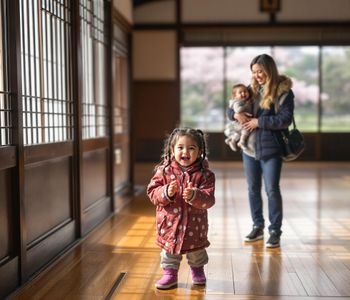
Explore Kyoto's rich cultural heritage and historical landmarks with your family for an unforgettable 10-day adventure in Japan.
Meet this Featured Explorer

-
 Occupation:
English Language Teacher
Occupation:
English Language Teacher
-
 Country:
Germany
Country:
Germany
-
 Age:
42
Age:
42
Sawasdee krap! I'm Somchai, a Thai native living in Berlin with my wonderful wife, Greta, and our energetic daughter, Lila. By day, I teach English, but my true passion lies in exploring the world and sharing those experiences with you. This blog is my way of connecting with fellow travelers, offering tips, insights, and personal stories from our family adventures. Whether you're a budget-conscious backpacker, a culture enthusiast, or simply seeking inspiration for your next trip, I hope you'll find something here to spark your wanderlust. Join us as we discover new destinations, savor delicious cuisines, and create lasting memories together!
- Photography
- Culinary arts
- History
- Linguistics
- Cultural exchange
Find Similar Travel Diaries
Explore locations from this diary
-
hotel MONday Kyoto Marutamachi
Experience comfort and convenience at Hotel MONday Kyoto Marutamachi, located near iconic attractions like Nijo Castle and Kyoto International Manga Museum.
-
Kinkaku-ji
Explore Kinkaku-ji, the breathtaking Golden Pavilion in Kyoto, where history and nature blend beautifully in a tranquil setting.
-
Ryōan-ji
Discover the tranquility of Ryōan-ji, a Zen Buddhist temple in Kyoto, featuring a world-famous rock garden and serene landscapes that inspire peace and reflection.
-
Ninna-ji Temple
Discover the tranquility and beauty of Ninna-ji Temple, a UNESCO World Heritage Site in Kyoto, showcasing stunning architecture and serene gardens.
-
Kizahashi
Experience authentic Japanese cuisine at Kizahashi in Kyoto, where seasonal ingredients meet traditional artistry in every dish.
-
Katsukura - Kyoto Porta
Discover authentic Tonkatsu at Katsukura - a must-visit Japanese restaurant in Kyoto offering delightful flavors in a modern setting.
-
Gion Nanba
Discover authentic kaiseki cuisine at Gion Nanba, where tradition meets taste in Kyoto's historic Gion district.
-
Noren by Corazon
Explore Noren by Corazon in Kyoto for unique souvenirs that reflect the city's rich culture and craftsmanship.