Surkh Kotal, Balkh Travel Guide
Explore Surkh Kotal, an ancient Kushan Empire site in Afghanistan, featuring temples, statues, and inscriptions dating back to the 2nd century AD.
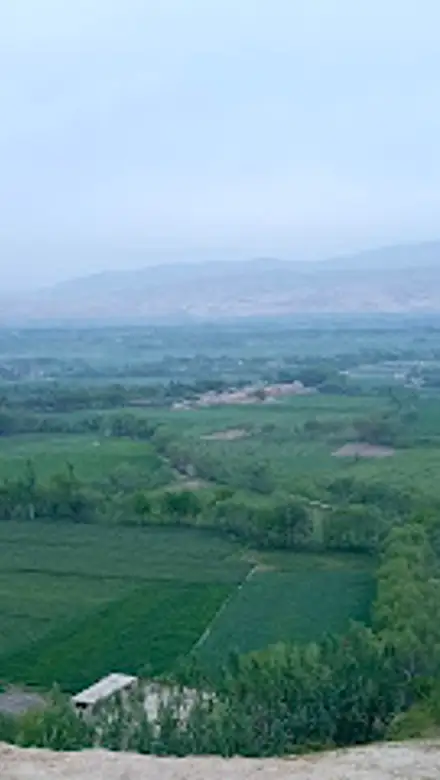
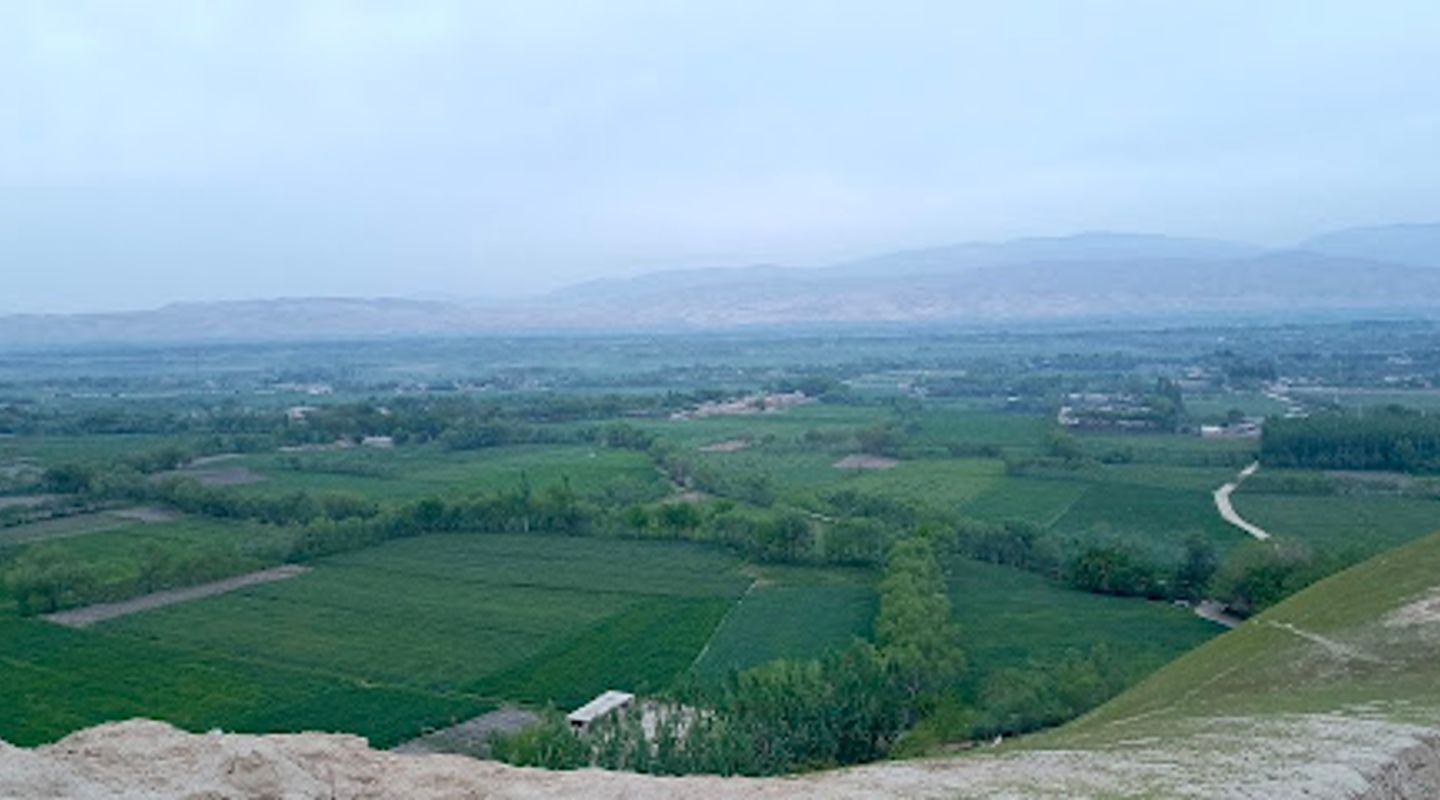
Surkh Kotal is an ancient archaeological site in Afghanistan, roughly 18 kilometers north of Puli Khumri. Once a monumental construction of the Kushan Empire, it features remnants of temples and royal statues, offering a glimpse into the Kushan civilization [3].
A brief summary to Surkh Kotal
- 2HPQ+CJQ, Wazghari, AF
- Click to display

Know before you go
Hi, I'm Eve. Here are a few practical things to know before exploring Surkh Kotal.
- Wear sturdy shoes as the terrain is uneven and requires some climbing.
- Carry water and snacks, as there are no facilities available at the site.
- Hire a local guide from Puli Khumri to learn more about the history and significance of the site.
- Dress respectfully, considering the cultural importance of the area.
- Visit during the spring or fall for more moderate temperatures.
Do you manage this location?
Take control to get all the benefits, like improved information, better appearance, and stronger visibility across AI-powered discovery. Learn more about listing your business on Evendo
Activate your presenceOther nearby places you may find interesting
The closest places of the same kind, if this one is not quite what you had in mind.
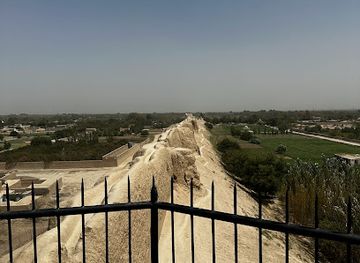
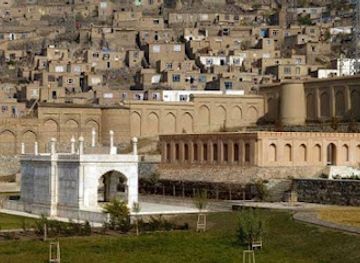

Explore Surkh Kotal on the Map
A handpicked selection of must-see spots near Surkh Kotal, mapped for you.
Getting There
-
Taxi
From Puli Khumri, taxis are available to Surkh Kotal. Negotiate the fare before starting the journey. A one-way trip typically costs between 500-700 Afghanis [7]. Ensure the driver knows the location, referencing coordinates 36.0361° N, 68.5891° E if necessary. The ride takes approximately 30-45 minutes [7].
-
Public Transport
Shared taxis or buses heading towards Wazghari may pass near Surkh Kotal. In Puli Khumri, inquire about transportation options at the main taxi stand. Fares are generally inexpensive, ranging from 50-100 Afghanis [7]. The journey can take around 45-60 minutes. From the drop-off point, a short walk may be required to reach the site.
Discover more about Surkh Kotal













Your all‑in‑one travel companion app
Explore expert travel guides, compare and book tours, experiences, hotels, and more—all from the palm of your hand. Download now for seamless trip planning wherever your wanderlust takes you.


Explore More of Balkh
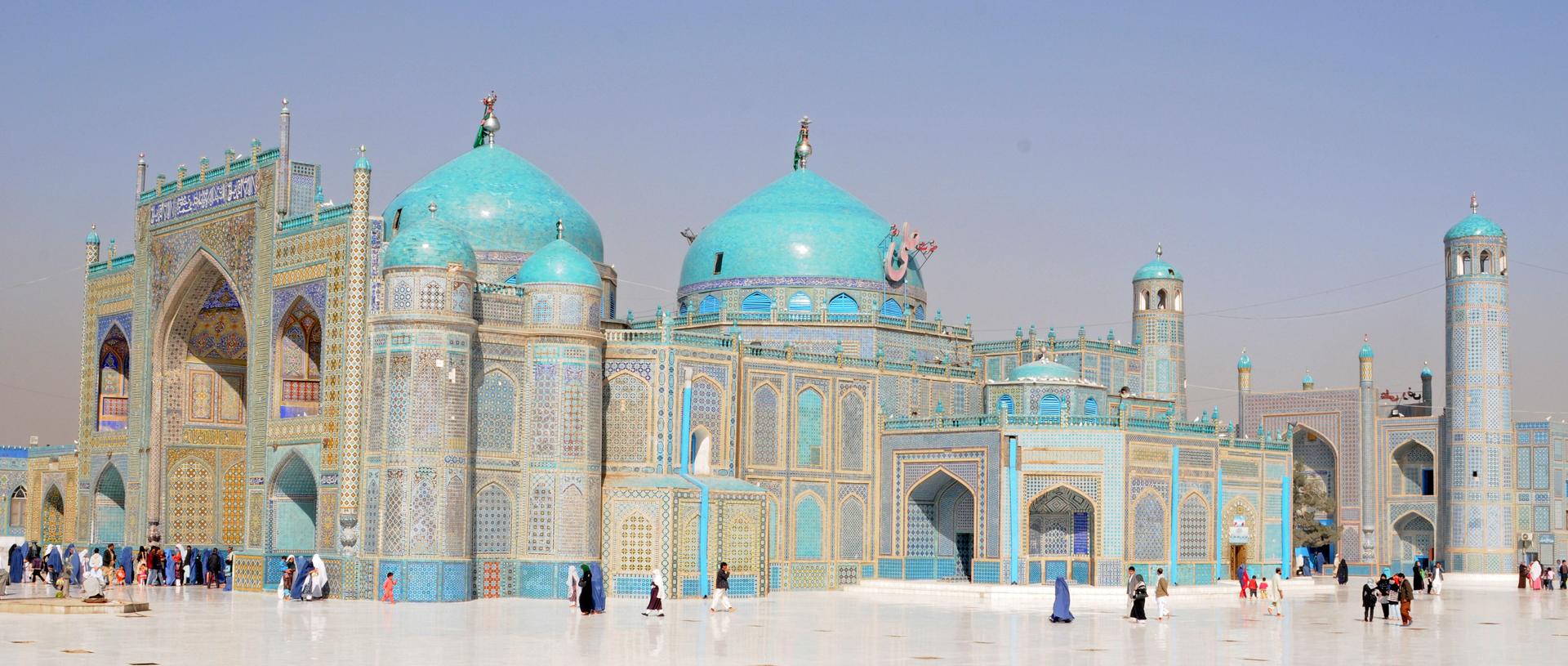
Looking beyond Surkh Kotal? Discover Balkh for broader travel guides, local hot-spots, and regional highlights.
Explore Balkh
Discover the breathtaking beauty of Koh-e Abpar in Afghanistan, offering stunning landscapes, hiking trails, and a rich cultural experience.
Discover tranquility at Baghlan Poli e Komre Park in Pol-e-Khomri, a serene oasis with lush greenery, vibrant flowers, and a peaceful atmosphere.