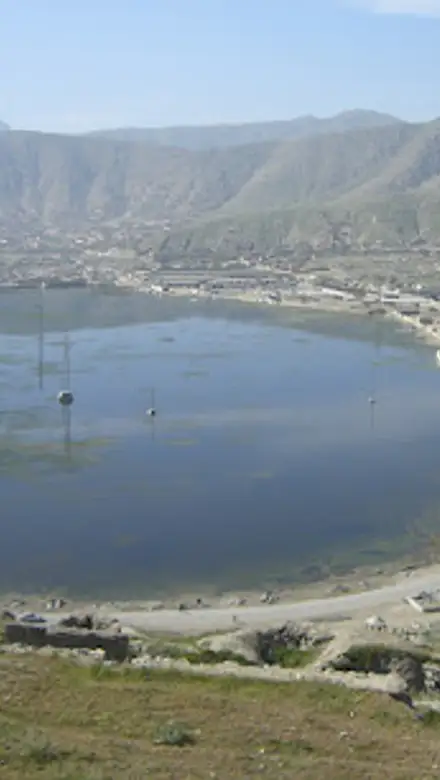
Kabul Fortress, Kabul Travel Guide
Free Guide: Explore Kabul Fortress, a historic citadel with roots in the 5th century, offering a glimpse into Afghanistan's rich and complex past.


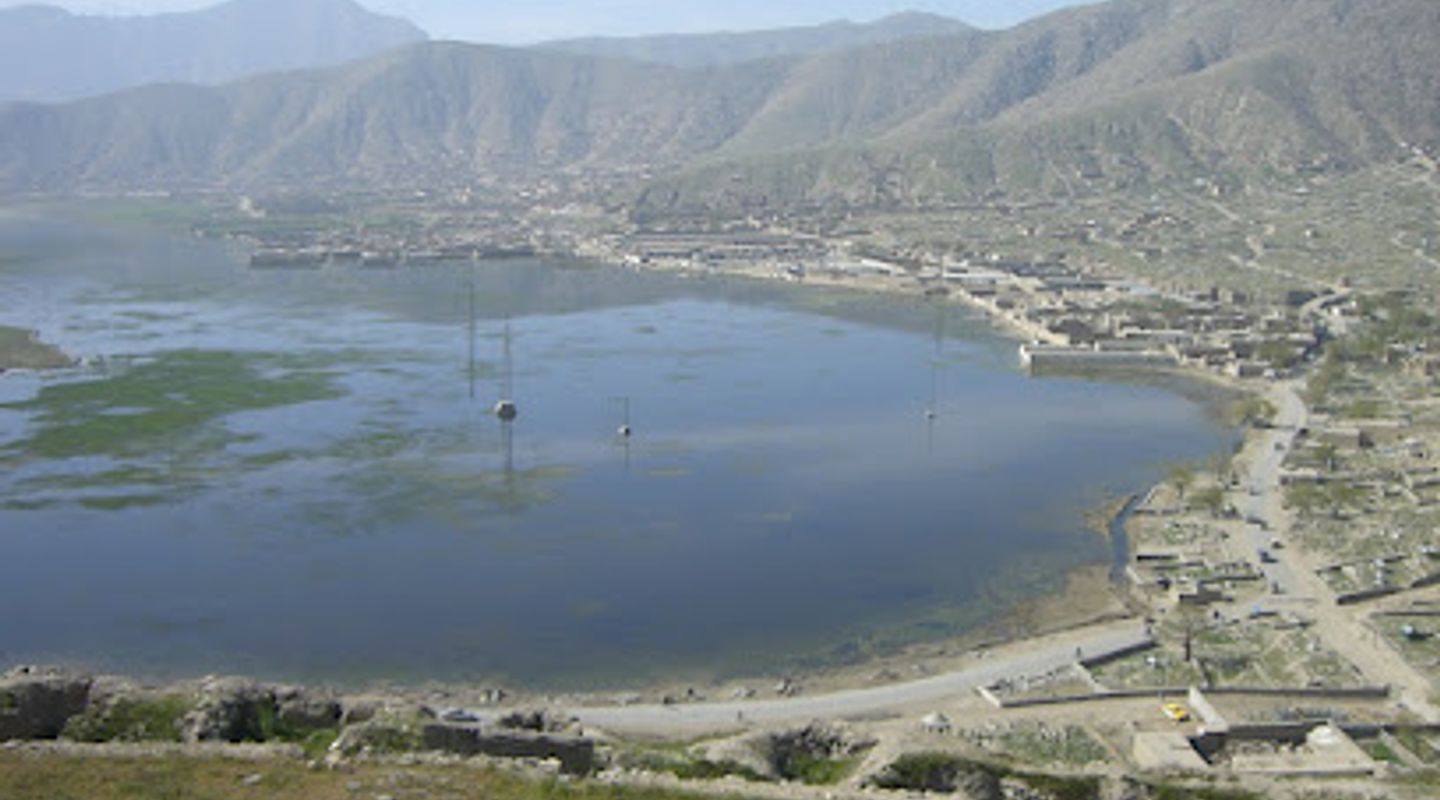
A brief summary of Kabul Fortress
Explore Kabul Fortress, a historic citadel with roots in the 5th century, offering a glimpse into Afghanistan's rich and complex past.
Kabul Fortress, also known as Bala Hissar, is an ancient citadel in Kabul, Afghanistan, dating back to the 5th century AD [2, 3]. It has served as a royal palace, military stronghold, and focal point for Afghan history, offering panoramic views of the city [2]. The fortress was significantly expanded during the Mughal era and witnessed key events in the Anglo-Afghan Wars [2, 3].
- Address
- G54R+9FR, Kabul, Afghanistan
Getting there
Taxi/Ride-Share
Public Transport
Discover more about Kabul Fortress
Overview
Kabul Fortress, or Bala Hissar ('High Fort'), is an ancient and historically significant citadel located in Kabul, Afghanistan [2]. Its origins trace back to around the 5th century AD, though archaeological findings suggest settlements in the area dating as far back as the 6th century BCE [2, 3]. Situated on a strategic hill at the southern edge of old Kabul, the fortress commands a dominant view of the city and surrounding landscape [2].Throughout its long history, Bala Hissar has served as a royal palace, a military stronghold, and a focal point for pivotal events in Afghan and regional history [2]. The fortress was besieged and conquered by Babur, the founder of the Mughal Empire, in 1504, marking the beginning of its prominence [2, 3]. Under Mughal rule, particularly during the reign of Akbar, Bala Hissar became the primary residence of the governor of Kabul Subah [2]. The Mughals significantly expanded and fortified the citadel, constructing palaces, audience halls, and gardens, transforming it into a palace-fortress comparable to those in Agra and Lahore [2].Following the decline of the Mughal Empire, Bala Hissar fell into the hands of various rulers, including Persians and the Durranis [2]. In 1773, Timur Shah Durrani shifted the Durrani capital to Kabul and occupied the fortress, rebuilding a palace and using the upper part as a state prison and arsenal [2]. His successor, Shah Shuja Durrani, further developed the fortress, replacing many earlier Mughal constructions [2]. As Kabul's principal fortress, Bala Hissar was the stage for several critical events during the First and Second Anglo-Afghan Wars [2, 3]. The British destroyed much of the fortress in 1880 during the Second Anglo-Afghan War [2, 3].Today, Bala Hissar remains an Afghan military base, with limited public access [5]. While little remains above ground, the site holds significant archaeological potential, with modern constructions posing a risk to the remains of earlier periods [5]. Despite its state of ruin, the fortress stands as a reminder of Afghanistan's rich history and strategic importance [5, 7].
Evendo Review Centre
 Google
Guest reviews
Explore Kabul Fortress on the map
A handpicked selection of must-see spots near Kabul Fortress, mapped for you.
Get your free copy of our complete guide to Kabul Fortress, delivered straight to you.
Everything on this page, from opening hours and how to get there to Eve’s tips and the best time to go, in one PDF you can read offline, print or share.
Already have an account? Sign in
Your Kabul Fortress guide is ready.
We'll send it to · Not you? Sign out

Getting your guide ready…
We are putting together a fresh copy of the Kabul Fortress guide. This can take up to a minute.
This can take a few moments. If your browser asks, choose Allow so the download can start. You'll find the guide in your Downloads folder.
Nothing happened? Download it again
Sorry, the guide is taking longer than usual. Please try again in a minute, or get it by email instead.
Other nearby places you may find interesting
The closest places of the same kind, if this one is not quite what you had in mind.
-
-
-
-
-


Swipe for more places
More to explore near Kabul Fortress

 Best experiences near Kabul Fortress
 Best hotels near Kabul Fortress
 Best landmarks near Kabul Fortress
 Best attractions near Kabul Fortress
 Best shops near Kabul Fortress
 Best restaurants near Kabul Fortress
 Best bars near Kabul Fortress
Do you manage this location?
Take control to get all the benefits, like improved information, better appearance, and stronger visibility across AI-powered discovery.
Explore more

Explore more of Kabul
Discover Kabul: A city where ancient history meets modern vibrancy, offering rich culture, beautiful gardens, and unforgettable experiences in the heart of Afghanistan.
Explore Kabul
Explore more of Afghanistan
Discover Afghanistan's rich history, stunning landscapes, and diverse cultures. From ancient cities to breathtaking nature, this Central Asian gem offers a unique travel experience.
Explore Afghanistan