

Sakhi Shrine, Kabul Travel Guide
Discover Kabul's spiritual heart at Sakhi Shrine, a historic mosque with stunning architecture and deep cultural significance for pilgrims and tourists alike.
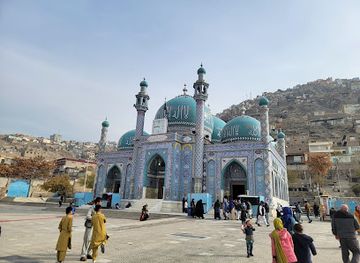
Sakhi Shrine, or Ziarat-e Sakhi Shah Mardan, is a revered mosque in Kabul, Afghanistan, significant for Shia Muslims who believe it to be the final resting place of Hazrat Ali [2, 3]. The shrine's architecture showcases a blend of neo-Safavid Persian styles, attracting pilgrims and tourists alike [2, 5].
A brief summary to Sakhi Shrine
- کارتی سخی, Kabul, Karte-Ye-Sakhi, 1002, AF

Know before you go
Hi, I'm Eve. Here are a few practical things to know before exploring Sakhi Shrine.
- Dress modestly to respect the cultural and religious significance of the site; women should ensure they are properly covered before entering [2].
- Visit during off-peak hours, especially on weekdays, for a more peaceful and reflective experience [2].
- Engage with local visitors to learn more about the shrine's history and its importance in Afghan culture [2].
- Be mindful of prayer times, as the shrine may be busier during these periods [2].
- Carry some local currency (Afghanis) for small purchases or donations within the shrine [2].
Do you manage this location?
Take control to get all the benefits, like improved information, better appearance, and stronger visibility across AI-powered discovery. Learn more about listing your business on Evendo
Activate your presenceOther nearby places you may find interesting
The closest places of the same kind, if this one is not quite what you had in mind.



Explore Sakhi Shrine on the Map
A handpicked selection of must-see spots near Sakhi Shrine, mapped for you.
Getting There
-
Taxi/Ride-Share
From anywhere in Kabul, take a taxi or ride-share to Karte Sakhi. Specify 'Sakhi Shrine' as your destination [2]. Most drivers will be familiar with the location [2]. The fare will vary depending on your starting point, but a short trip within Kabul typically costs between 150 to 300 Afghanis [2, 3]. Confirm the fare before starting your journey [2].
-
Public Transport
If using public transport, take a city bus to Karte Sakhi [2]. Look for buses heading towards Kabul University or Ali Abad Hospital, as these pass near the shrine [3]. From the bus stop, it's a short walk to the shrine [2, 3]. Bus fares are typically very low, around 20 Afghanis [2, 10]. Be prepared for crowded conditions [3].
-
Walking
If you are already in the Karte-Ye-Sakhi area, you can walk to the shrine [2]. From any nearby location, head towards the shrine, which is a prominent landmark [2]. Look for local signage that directs you to the shrine or ask locals for assistance, as they will likely be familiar with the landmark [2].
Discover more about Sakhi Shrine













Your all‑in‑one travel companion app
Explore expert travel guides, compare and book tours, experiences, hotels, and more—all from the palm of your hand. Download now for seamless trip planning wherever your wanderlust takes you.


Explore More of Kabul
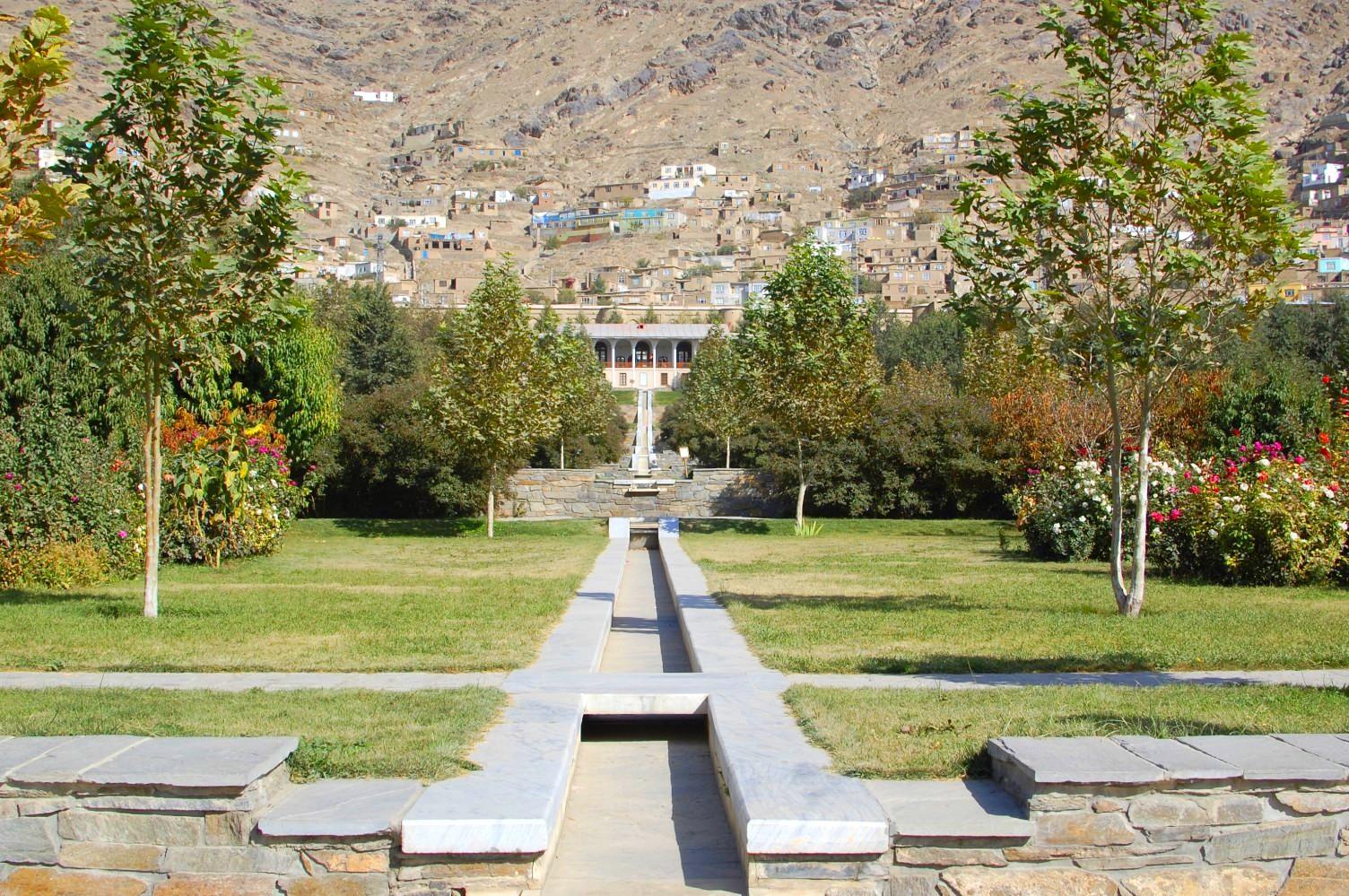
Looking beyond Sakhi Shrine? Discover Kabul for broader travel guides, local hot-spots, and regional highlights.
Explore Kabul
Experience a refreshing escape at Kabul Water Park, offering thrilling slides and relaxing pools for families and friends in Kabul.

Discover Kabul's spiritual heart at Sakhi Tomb, a stunning shrine of cultural significance, adorned with intricate designs and serene gardens.
