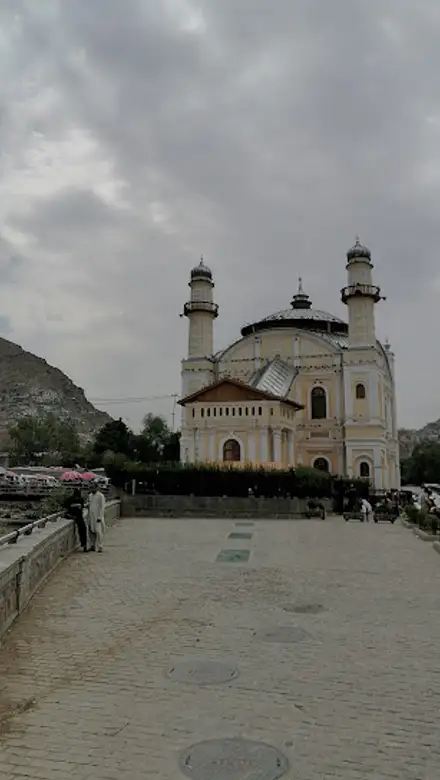
Kabul Travel Guide
Free Guide: Explore Kabul: A historic capital where ancient traditions meet modern resilience, offering a unique cultural experience in the heart of Afghanistan.


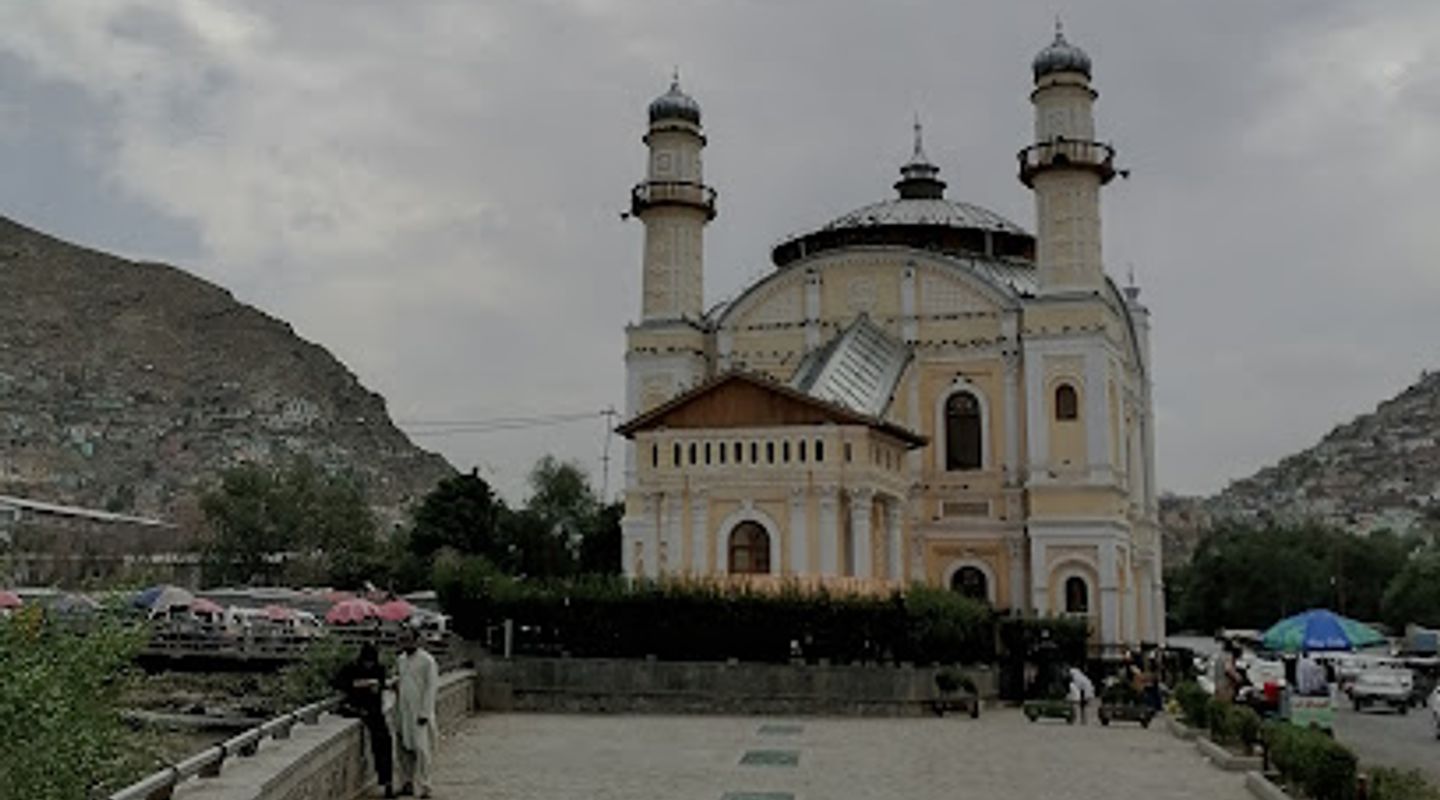
A brief summary of Kabul
Explore Kabul: A historic capital where ancient traditions meet modern resilience, offering a unique cultural experience in the heart of Afghanistan.
Kabul, the capital of Afghanistan, is a city steeped in over 3,500 years of history, serving as a pivotal point on the Silk Road and a melting pot of diverse cultures [15, 16]. Despite enduring periods of conflict, Kabul retains its historical gardens, bustling bazaars, and resilient spirit [15, 16, 26].
- Address
- H644+4XQ, Kabul, Afghanistan
Getting there
Taxi
Public Transport
Discover more about Kabul
Overview
Kabul, cradled by the Hindu Kush mountains in eastern Afghanistan, boasts a history stretching back over 3,500 years [15]. Its strategic location made it a vital crossroads on the Silk Road, fostering a vibrant exchange of goods, ideas, and cultures [15, 16]. The city has been influenced by empires such as the Achaemenids, Alexander the Great, the Mughals, and the Timurids, each leaving their mark [15].Under the Mughal emperor Babur, Kabul became the dynasty's initial capital in the 16th century [15, 17]. Babur invested in public buildings and gardens, most notably the Gardens of Babur, his final resting place and a cherished landmark [3, 5, 15]. Kabul is known for its historical gardens, bazaars, and palaces such as the Gardens of Babur, Darul Aman Palace and the Arg [5, 16].Kabul has been a melting pot of diverse ethnic groups, including Pashtuns, Tajiks, Hazaras, Uzbeks, and Turkmen, contributing to its vibrant cultural mosaic [15, 17]. This is reflected in the bustling bazaars and diverse cuisine, with influences from Central Asia, Persia, and India [15]. Despite its rich heritage, Kabul has endured conflict, witnessing invasions and power struggles, from the Soviet occupation to the Taliban's control [15, 17, 26]. Today, Kabul is a city of stark contrasts, with narrow alleyways leading to traditional homes, mosques, and bazaars, alongside modern developments [17].
Evendo Review Centre
 Google
Guest reviews
Explore Kabul on the map
A handpicked selection of must-see spots near Kabul, mapped for you.
Get your free copy of our complete guide to Kabul, delivered straight to you.
Everything on this page, from opening hours and how to get there to Eve’s tips and the best time to go, in one PDF you can read offline, print or share.
Already have an account? Sign in
Your Kabul guide is ready.
We'll send it to · Not you? Sign out

Getting your guide ready…
We are putting together a fresh copy of the Kabul guide. This can take up to a minute.
This can take a few moments. If your browser asks, choose Allow so the download can start. You'll find the guide in your Downloads folder.
Nothing happened? Download it again
Sorry, the guide is taking longer than usual. Please try again in a minute, or get it by email instead.
Other nearby places you may find interesting
The closest places of the same kind, if this one is not quite what you had in mind.
-
-
-
-
-


Swipe for more places
More to explore near Kabul

 Best experiences near Kabul
 Best hotels near Kabul
 Best landmarks near Kabul
 Best attractions near Kabul
 Best shops near Kabul
 Best restaurants near Kabul
 Best bars near Kabul
Do you manage this location?
Take control to get all the benefits, like improved information, better appearance, and stronger visibility across AI-powered discovery.
Explore more
Explore more of Nangarhar
Explore Nangarhar: A blend of ancient history, natural beauty, and rich Afghan culture in the heart of eastern Afghanistan.
Explore Nangarhar
Explore more of Afghanistan
Discover Afghanistan's rich history, stunning landscapes, and diverse cultures. From ancient cities to breathtaking nature, this Central Asian gem offers a unique travel experience.
Explore Afghanistan