

Free Nangarhar Travel Guide & Mobile App
Explore Nangarhar with free travel guides. Discover regional history, expert tips, proposed trips, and audio guides on web or mobile app.


Nangarhar in eastern Afghanistan combines Jalalabad’s orchards, Gandharan archaeology, mountain landscapes and historic routes with serious travel restrictions.
Read more about Nangarhar
When is the best time to visit Nangarhar?
Best: March–April, October · 22–28°C| Month | High (°C) | Rainfall (mm) |
|---|---|---|
| January | 14 | 35 |
| February | 17 | 30 |
| March (best) | 22 | 30 |
| April (best) | 28 | 20 |
| May | 34 | 15 |
| June | 38 | 5 |
| July | 40 | 3 |
| August | 39 | 3 |
| September | 35 | 5 |
| October (best) | 28 | 10 |
| November | 19 | 15 |
| December | 13 | 25 |
Getting to and around Nangarhar
How to get there
Transportation
Best attractions in Nangarhar
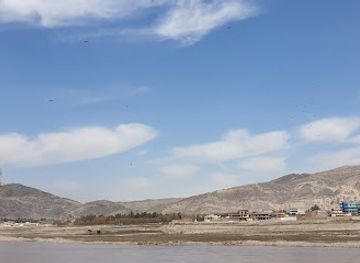
Nangarhar’s principal points of interest are archaeological, geographical and historical rather than purpose-built tourist attractions. The ancient Buddhist remains at Hadda, near Jalalabad, are associated with the Gandharan world and are important for their monasteries, sculpture and evidence of long-distance cultural exchange, although their condition and accessibility are uncertain. The Kabul River valley and the Darunta area illustrate the province’s irrigated lowland landscape, while the approaches towards the Spin Ghar range reveal the sharp transition from cultivated plains to dry mountain terrain. Jalalabad’s markets, orchards and civic environment provide context for the province’s contemporary life, but visitors should not expect a developed sightseeing circuit, dependable guides or normal heritage-site services. Historic routes towards the Khyber region and the mountain districts also carry considerable geographical and military significance, yet many are unsuitable for casual exploration because of conflict, checkpoints, unexploded ordnance and restricted access. Any visit to archaeological or rural locations would require current authorisation, specialist security assessment and locally appropriate support.
-
Abdul Haq Park
Discover Abdul Haq Park in Jalalabad: A peaceful retreat offering nature, culture, and community in the heart of Afghanistan.
-
Tourist attraction
Imran Khan
Explore the Imran Khan monument in Jalalabad, Afghanistan, for a unique blend of history, culture, and scenic beauty. A must-see attraction!
-
Garden
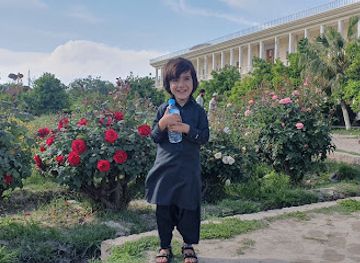
Amir Shaheed Garden
Discover tranquility in Jalalabad at Amir Shaheed Garden, a serene oasis with lush greenery, vibrant flowers, and a peaceful escape [4].
Best landmarks in Nangarhar
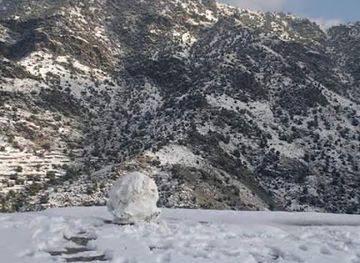
The archaeological complex of Hadda is Nangarhar’s most important internationally recognised heritage landmark, representing the province’s place within ancient Gandhara and the spread of Buddhist art across Central and South Asia. Its remains are fragile and access may be prohibited or unsafe. Jalalabad’s position beside the Kabul River and its association with the historic eastern routes are more significant geographically than architecturally: the city marks the transition between Afghanistan’s central highlands, the eastern plains and the approaches towards the Khyber region. The Darunta area, including the dam and surrounding valley, illustrates the importance of irrigation and water control to settlement in this otherwise dry environment. The Spin Ghar foothills and mountain corridors provide the province’s strongest natural visual landmarks, but they are also areas where armed activity, landmines and restricted movement have been serious concerns. These places should be regarded as subjects for documented study or authorised professional travel, not as independently accessible sightseeing stops.
-
Historical place
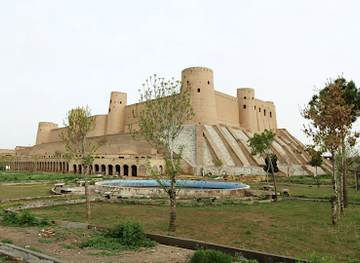
Herat Citadel
Explore the ancient Herat Citadel: a journey through Afghan history, architecture, and breathtaking panoramic views of the city.
-
Park
Babur Garden
Explore Kabul's Mughal heritage at Babur's Garden, a serene terraced oasis and the final resting place of Emperor Babur, offering stunning views.
-
Mosque
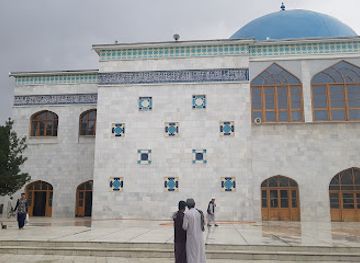
Pul-e Kheshti Mosque
Kabul's largest mosque, Pul-e Kheshti, showcases stunning Afghan artistry with its vibrant blue dome, intricate mosaics, and rich history.
-
Castle
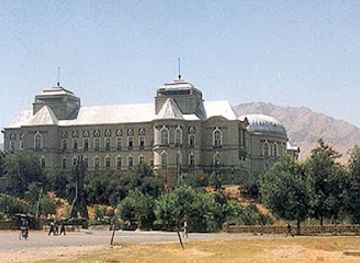
DarulAman Palace
Explore Kabul's Darul Aman Palace: A symbol of Afghanistan's resilience, blending neoclassical architecture with a rich, turbulent history.

Explore Nangarhar on the map
Plan your trip on one map. See where the top cities, national parks and sights are, and book hotels and experiences in a few clicks.
Best hotels in Nangarhar
Best restaurants in Nangarhar
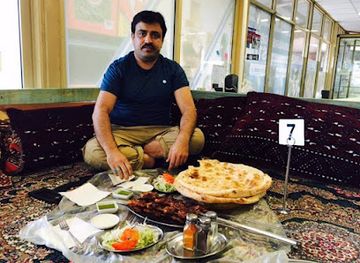
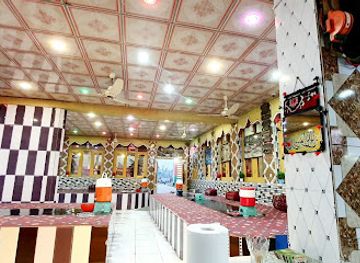
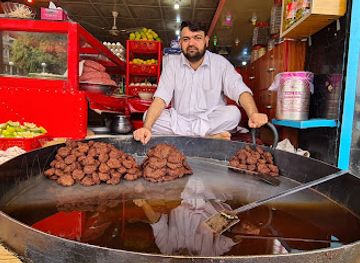
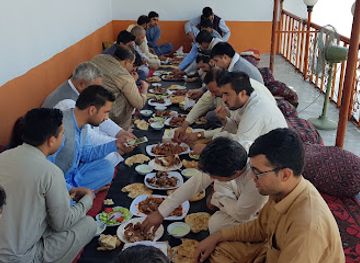
Nangarhar’s food culture reflects eastern Afghan Pashtun traditions and the agricultural character of the Kabul River valley. Rice dishes, kebabs, naan, dumplings, beans, yoghurt, seasonal vegetables and dried fruit are common across the province, while Jalalabad is particularly associated with warm lowland agriculture and orchards, including citrus and other fruit grown under irrigation. Meals may be served in family settings, modest cafés or traditional restaurants, although standards of hygiene, supply and security vary and establishments can close without notice. Tea is a central part of hospitality, and visitors should accept food and drink respectfully while observing local customs around Ramadan and gender separation where applicable. Afghanistan is a dry country in legal and religious terms, and alcohol should neither be requested nor carried. International visitors should rely on vetted accommodation or professional arrangements rather than treating the local dining scene as an independent culinary itinerary.
-
Restaurant
Baba Wali Hotel بابا ولې هوټل
Experience authentic Afghan cuisine at Baba Wali Hotel in Jalalabad - where tradition meets taste.
-
Restaurant
Green Hut Pizza Restaurant
Discover delicious pizzas and warm hospitality at Green Hut Pizza Restaurant in Jalalabad - a culinary gem amidst Afghanistan's vibrant culture.
-
Asian
Zeenat Restaurant زینت رستورانت
Discover authentic Afghan cuisine at Zeenat Restaurant in Jalalabad—an inviting haven for food lovers seeking rich flavors and cultural warmth.
-
Restaurant
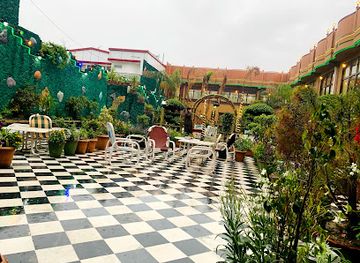
Afghan Hotel & Restaurant (افغان هوټل اؤ رستورانت)
Experience the essence of Afghan hospitality at Afghan Hotel & Restaurant in Jalalabad—where every meal tells a story.
Best bars in Nangarhar
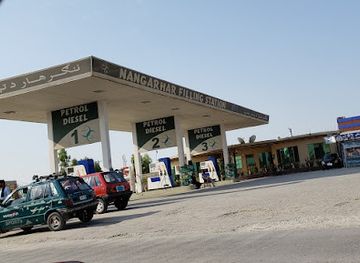
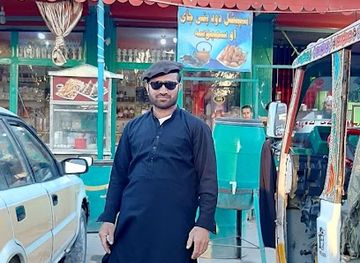
Nangarhar has no conventional bar or nightclub scene. Alcohol is prohibited, and evening social life is shaped by Islamic practice, family gatherings, tea houses, traditional restaurants and private hospitality rather than commercial entertainment aimed at international visitors. Jalalabad may have cafés and eateries open after dark when security conditions permit, but opening arrangements, access and public activity can change quickly. Live music, dancing and public entertainment may be restricted, and photography or casual observation of social occasions can cause offence or attract unwanted attention. Rural districts are quieter still, with movement after dark carrying additional security risks. Visitors should not seek nightlife as a tourism activity and should follow the advice of trusted local contacts, accommodation providers and professional security teams.
-
Sports bar
Rokhan Sport House and Tikwando Club
Experience the vibrant sports culture of Jalalabad at Rokhan Sport House and Taekwondo Club, where passion meets community in a thrilling setting.
-
Bar
Habib Gulazar Company
Experience the vibrant social scene of Jalalabad at Habib Gulazar Company, a bar that invites you to unwind and connect with local culture.
-
 Bar
BarKachary Khor
Discover the charm of Kachary Khor, a vibrant bar in Alingar, Afghanistan, where local culture meets refreshing drinks in a cozy atmosphere.
-
Restaurant
Spinghar restaurant
Discover the essence of Afghan cuisine at Spinghar Restaurant, a delightful culinary destination in Jalalabad offering authentic flavors.
Best nightclubs in Nangarhar
Nangarhar has no conventional bar or nightclub scene. Alcohol is prohibited, and evening social life is shaped by Islamic practice, family gatherings, tea houses, traditional restaurants and private hospitality rather than commercial entertainment aimed at international visitors. Jalalabad may have cafés and eateries open after dark when security conditions permit, but opening arrangements, access and public activity can change quickly. Live music, dancing and public entertainment may be restricted, and photography or casual observation of social occasions can cause offence or attract unwanted attention. Rural districts are quieter still, with movement after dark carrying additional security risks. Visitors should not seek nightlife as a tourism activity and should follow the advice of trusted local contacts, accommodation providers and professional security teams.
-
Sports bar
Rokhan Sport House and Tikwando Club
Experience the excitement of martial arts and local culture at Rokhan Sport House and Tikwando Club in Jalalabad, a unique sports bar for all.
-
Bar
Habib Gulazar Company
Experience the lively atmosphere and great drinks at Habib Gulazar Company, a must-visit bar in Jalalabad, Afghanistan.
-
Night club
Ziarat
Discover the electrifying nightlife of Ziarat, a premier night club in Afghanistan, where music, dance, and culture come alive.
-
Night club
کمیته مردمی کمیسیون برگزاری جشن استقلال
Immerse yourself in Kabul's nightlife at کمیته مردمی کمیسیون برگزاری جشن استقلال, where culture and rhythm meet for an unforgettable evening.

Best shops in Nangarhar
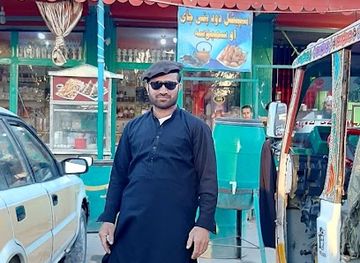
Shopping in Nangarhar is concentrated in Jalalabad’s markets and ordinary neighbourhood commerce rather than in a tourism-oriented retail district. Visitors may encounter locally produced fruit, dried foods, nuts, carpets, embroidered textiles, clothing, household goods and imported merchandise moving through the province’s eastern trading networks. Market activity reflects Nangarhar’s agricultural base and its historical connections with Pakistan, although border commerce and availability can be affected by policy, security conditions and economic disruption. Bargaining may occur in informal markets, but visitors should avoid displaying cash, photographing traders without permission or entering crowded areas without local security advice. Afghanistan’s traditional crafts can be culturally significant, yet the export or purchase of archaeological objects, antiquities, weapons and wildlife products is legally and ethically problematic. For authorised visitors, modest locally made textiles or packaged food products are more appropriate than attempting to buy historic artefacts.
-
Clothing store
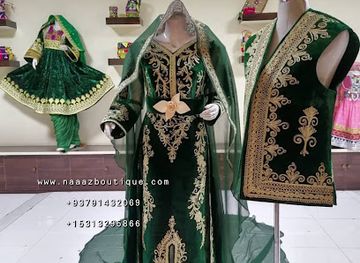
Naaz Boutique Afghani dresses store
Explore the vibrant world of Afghani fashion at Naaz Boutique, where traditional craftsmanship meets contemporary style, right in the heart of Kabul.
-
Market
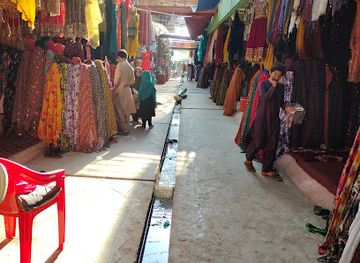
Sharif Market
Discover the vibrant offerings of Sharif Market in Jalalabad, where local crafts, clothing, and gold shine in a lively cultural hub.
-
Clothing store
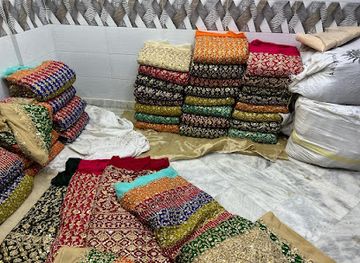
Marko Bazar Nazir Gul Cloth Shop
Discover the vibrant world of Afghan textiles at Marko Bazar Nazir Gul Cloth Shop, where tradition meets style in Nāder Šāh Kawţ.
-
Electronics store
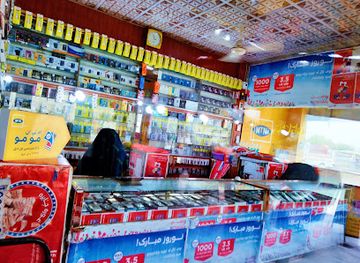
SHINWARI MOBILE SHOP شینواري موبایل پلورنځی
Explore the Shinwari Mobile Shop in Marko for a unique blend of local culture and cutting-edge electronics.
Get your free copy of our complete guide to Nangarhar, delivered straight to you.
Everything on this page, from attractions and restaurants to essentials and local phrases, in one PDF you can read offline, print or share.
Already have an account? Sign in
Your Nangarhar guide is ready.
We'll send it to · Not you? Sign out

Getting your guide ready…
We are putting together a fresh copy of the Nangarhar guide. This can take up to a minute.
This can take a few moments. If your browser asks, choose Allow so the download can start. You'll find the guide in your Downloads folder.
Nothing happened? Download it again
Sorry, the guide is taking longer than usual. Please try again in a minute, or get it by email instead.
Nangarhar essentials
Currency and Payment
Safety
Emergency Situations
Do's and Don'ts
Local Tips
From Eve
Local phrases worth knowing
You don't need to get them perfect. A few words go a long way, and locals appreciate the effort.
Basics
| English | Local | Say it |
|---|---|---|
| Hello | سلام | [Salam] |
| Goodbye | خداحافظ | [Khudāhāfiz] |
| Yes | هو | [Hoo] |
| No | نه | [Nah] |
| Please/You're welcome | لطفاً / خوش آمدید | [Lotfan / Khush āmadid] |
| Thank you | تشکر | [Tashakur] |
| Excuse me/Sorry | ببخشید | [Bebakhshid] |
| How are you? | چطور هستید؟ | [Chetoor hastid?] |
| Fine. And you? | خوبم. شما چطورید؟ | [Khubam. Shomā chetoorid?] |
| Do you speak English? | آیا انگلیسی صحبت میکنید؟ | [Āyā Englisi sohbat mikonid?] |
| I don't understand | من نمیفهمم | [Man nemifahmam] |
Eating & Drinking
| English | Local | Say it |
|---|---|---|
| I'd like to see the menu, please | لطفاً منوی غذا را ببینم | [Lotfan menuye ghazā rā bebinam] |
| I don't eat meat | من گوشت نمیخورم | [Man gusht nemikhoram] |
| Cheers! | به سلامتی! | [Be salāmatī!] |
| I would like to pay, please | لطفاً میخواهم پرداخت کنم | [Lotfan mikhāham pardakht konam] |
Emergencies
| English | Local | Say it |
|---|---|---|
| Help! | کمک! | [Komak!] |
| Go away! | برو برو! | [Boro boro!] |
| Call the Police! | پلیس را صدا کنید! | [Polis rā sedā konid!] |
| Call a doctor! | دکتر را صدا کنید! | [Doktor rā sedā konid!] |
| I'm lost | من گم شدهام | [Man gom shode-am] |
| I'm ill | من بیمار هستم | [Man bīmār hastam] |
Shopping
| English | Local | Say it |
|---|---|---|
| I'd like to buy... | میخواهم بخرم... | [Mikhāham bekharam...] |
| I'm just looking | فقط دارم نگاه میکنم | [Faghat dāram negāh mikonam] |
| How much is it? | قیمتش چقدر است؟ | [Gheymatash cheqadr ast?] |
| That's too expensive | این خیلی گران است | [In khayli gerān ast] |
| Can you lower the price? | آیا میتوانید قیمت را پایین بیاورید؟ | [Āyā mitavānid gheymat rā pāin biāvarid?] |
Time & Numbers
| English | Local | Say it |
|---|---|---|
| What time is it? | ساعت چنده؟ | [Sā'at chande?] |
| It's one o'clock | ساعت یک است | [Sā'at yek ast] |
| Half past (10) | نیم ساعت (۱۰) | [Nīm sā'at (10)] |
| Morning | صبح | [Sobḥ] |
| Afternoon | بعد از ظهر | [Ba'd az zohr] |
| Evening | شب | [Shab] |
| Yesterday | دیروز | [Dīruz] |
| Today | امروز | [Emruz] |
| Tomorrow | فردا | [Fardā] |
| 1 | ۱ | [1] |
| 2 | ۲ | [2] |
| 3 | ۳ | [3] |
| 4 | ۴ | [4] |
| 5 | ۵ | [5] |
| 6 | ۶ | [6] |
| 7 | ۷ | [7] |
| 8 | ۸ | [8] |
| 9 | ۹ | [9] |
| 10 | ۱۰ | [10] |
Transport & Directions
| English | Local | Say it |
|---|---|---|
| Where's a/the...? | کجا است ...؟ | [Kujā ast ...?] |
| What's the address? | آدرس چیست؟ | [Ādras chist?] |
| Can you show me (on the map)? | میتوانید به من نشان دهید (روی نقشه)؟ | [Mitavānid be man neshān dahid (ruye naqsha)?] |
| When's the next (bus)? | بعدی (اتوبوس) کی میآید؟ | [Ba'di (otobus) ki miāyad?] |
| A ticket (to ....) | یک بلیط (به ....) | [Yek belīt (be ....)] |
History of Nangarhar
Gandharan Buddhism and Hadda
The area around present-day Jalalabad formed part of the wider cultural zone historically known as Gandhara, where Buddhist institutions flourished and artistic traditions combined Indian, Central Asian and Hellenistic influences. Hadda, south of Jalalabad, became a major monastic centre, with stupas, monasteries, sculptures and manuscripts dating mainly from the early centuries of the first millennium. Its art is important for understanding the movement of Buddhism and artistic ideas across the region. Much of the archaeological material has been damaged or removed through conflict and illicit excavation, leaving a fragile and contested heritage.
Eastern Routes and the Kabul Valley
Nangarhar’s valley has long connected the Afghan interior with the Khyber region and the plains of the Indian subcontinent. Routes through the eastern mountains carried merchants, armies, pilgrims and officials, making settlements around the Kabul River strategically valuable. Control of these corridors shifted among regional powers, including rulers linked to the Kabul Valley, succeeding Islamic dynasties and later Afghan states. The province’s geography—fertile lowlands beside difficult mountain approaches—has repeatedly shaped its political importance and settlement patterns.
Mughal and Durrani Connections
Nangarhar was drawn into the political world of the Mughal Empire, whose rulers used the Kabul–Peshawar corridor during campaigns and travel between Central and South Asia. The region later became part of the expanding Durrani Afghan state established in the eighteenth century. Jalalabad and the surrounding valleys remained important because they linked Kabul with the east and because agriculture could be sustained through irrigation. These imperial and dynastic connections helped give the province a history that is both Afghan and deeply connected to neighbouring South Asian regions.
The First Anglo-Afghan War and Jalalabad
Nangarhar became prominent during the First Anglo-Afghan War of 1839–1842. Jalalabad was held by British and East India Company forces during the conflict and became associated with the retreat from Kabul, one of the most consequential episodes in nineteenth-century imperial history. The surrounding passes and valleys were militarily difficult terrain, and local resistance played a major role in shaping events. The province was again involved in later Anglo-Afghan conflicts, reflecting its position on the approach from the east rather than any isolated local importance.
War, Revolution and the Soviet Period
The 1978 Saur Revolution, the subsequent civil conflict and the Soviet intervention transformed Nangarhar. The province became a major arena for mujahideen activity, with mountain districts and cross-border routes providing strategic depth and access to supplies. Fighting damaged settlements, agriculture and infrastructure, while refugee movements affected communities on both sides of the Afghanistan–Pakistan frontier. The withdrawal of Soviet forces did not end instability; rival armed groups continued to compete for territory and influence during the civil war that followed.
Taliban Rule, Insurgency and Contemporary Conflict
Nangarhar experienced successive periods of Taliban rule, international military intervention and conflict involving the Taliban, Afghan government forces and Islamic State Khorasan Province. Jalalabad and rural districts were repeatedly affected by attacks, checkpoints, displacement and counter-insurgency operations. The Taliban regained national power in 2021, after which the security and political environment changed again. Restrictions on civil society, severe economic pressures, limited services and the risk of terrorism and arbitrary detention remain central realities for anyone assessing travel to the province.
Nangarhar in Photos
Browse through our photo collection highlighting the charm and character of the destination.
Neighbouring regions of Nangarhar
The closest regions to Nangarhar, if you have time for more than one.
-

-

-

-

-


Swipe for more regions
Explore more

Explore more of Afghanistan
Discover Afghanistan's rich history, stunning landscapes, and diverse cultures. From ancient cities to breathtaking nature, this Central Asian gem offers a unique travel experience.
Explore Afghanistan