Herat Central Blue Mosque, Samangan Travel Guide
Discover the mesmerizing Herat Central Blue Mosque, a masterpiece of Islamic architecture with stunning blue tilework and a rich, resilient history.
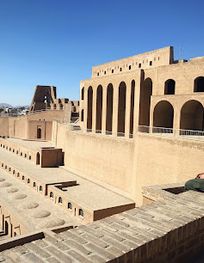
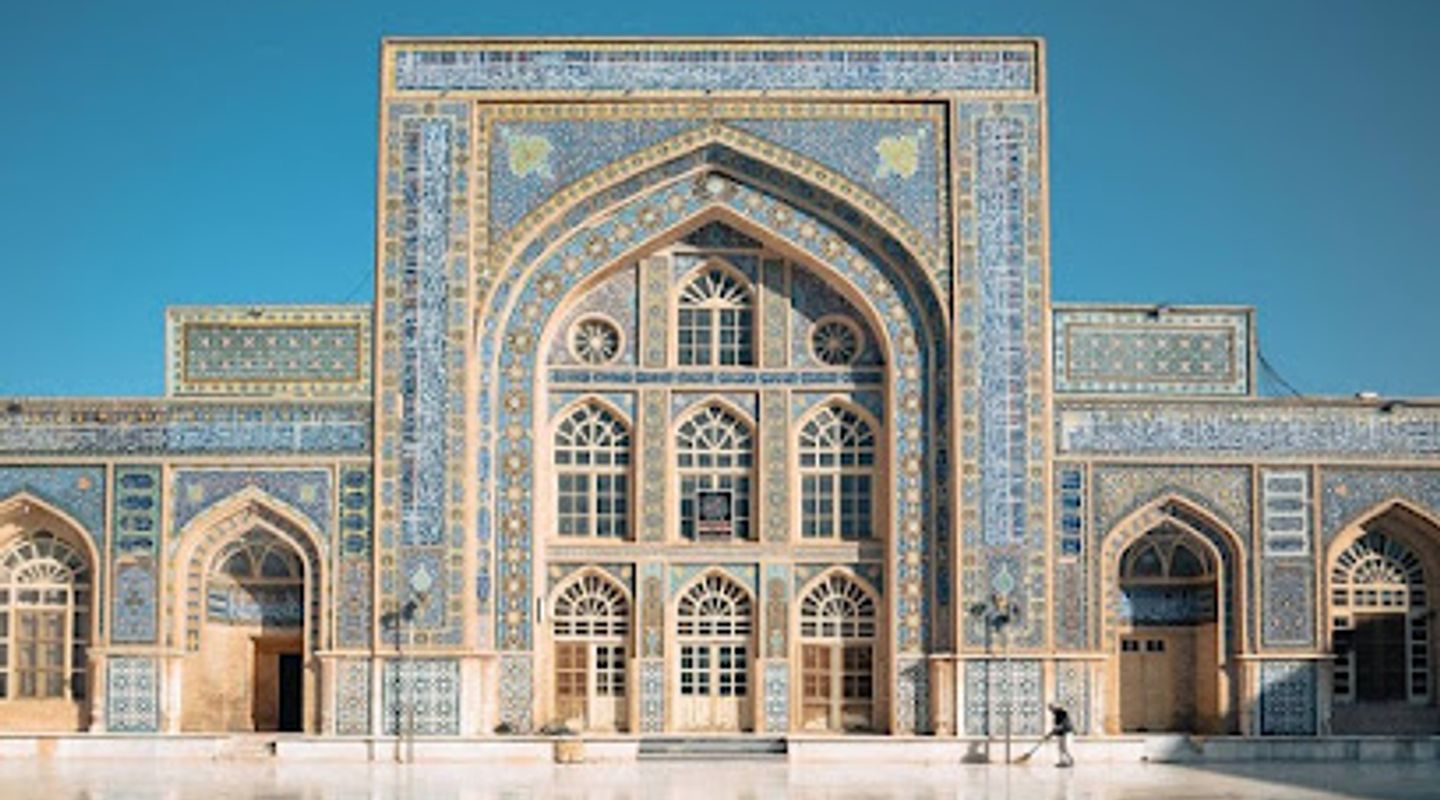
The Herat Central Blue Mosque, also known as Masjid-e Jami, is a stunning example of Islamic architecture in Herat, Afghanistan [4, 8]. Founded in 1200 by the Ghurid dynasty, it has been rebuilt and renovated over centuries, showcasing intricate tilework and a rich history [4, 8, 13].
A brief summary to Herat Central Blue Mosque
- Sherafat Rd, Herat, AF
- Click to display
- Monday 6 am-6 pm
- Tuesday 6:30 am-5:30 pm
- Wednesday 6 am-6 pm
- Thursday 6 am-5 pm
- Sunday 6 am-6 pm

Know before you go
Hi, I'm Eve. Here are a few practical things to know before exploring Herat Central Blue Mosque.
- Dress respectfully when visiting the mosque; women should cover their heads and wear modest clothing.
- Visit during prayer times to witness the mosque in full vibrancy, but be mindful and respectful of those praying [8].
- Explore the craftsmen's shop behind the main entrance to watch artisans create new tiles and restore the building [12].
Do you manage this location?
Take control to get all the benefits, like improved information, better appearance, and stronger visibility across AI-powered discovery. Learn more about listing your business on Evendo
Activate your presenceOther nearby places you may find interesting
The closest places of the same kind, if this one is not quite what you had in mind.

Explore Herat Central Blue Mosque on the Map
A handpicked selection of must-see spots near Herat Central Blue Mosque, mapped for you.
Getting There
-
Walking
From the Herat city center, the Blue Mosque is easily accessible on foot. ориентируйтесь на основные улицы, ведущие в центр города, и следуйте указателям или расспросите местных жителей о направлении. The mosque is a prominent landmark, and its minarets are visible from various points in the city. Allow approximately 15-20 minutes to walk from the central bazaar area. No costs involved.
-
Taxi
Taxis are readily available in Herat. A short taxi ride from anywhere in the city center to the Blue Mosque should cost approximately 150-300 AFN, depending on the distance and traffic [5, 6]. Ensure the driver uses the meter or negotiate the fare before starting the journey. Several taxi companies operate in Herat, and ride-hailing apps may also be available [6].
Discover more about Herat Central Blue Mosque
More to explore near Herat Central Blue Mosque













Your all‑in‑one travel companion app
Explore expert travel guides, compare and book tours, experiences, hotels, and more—all from the palm of your hand. Download now for seamless trip planning wherever your wanderlust takes you.


Explore More of Samangan
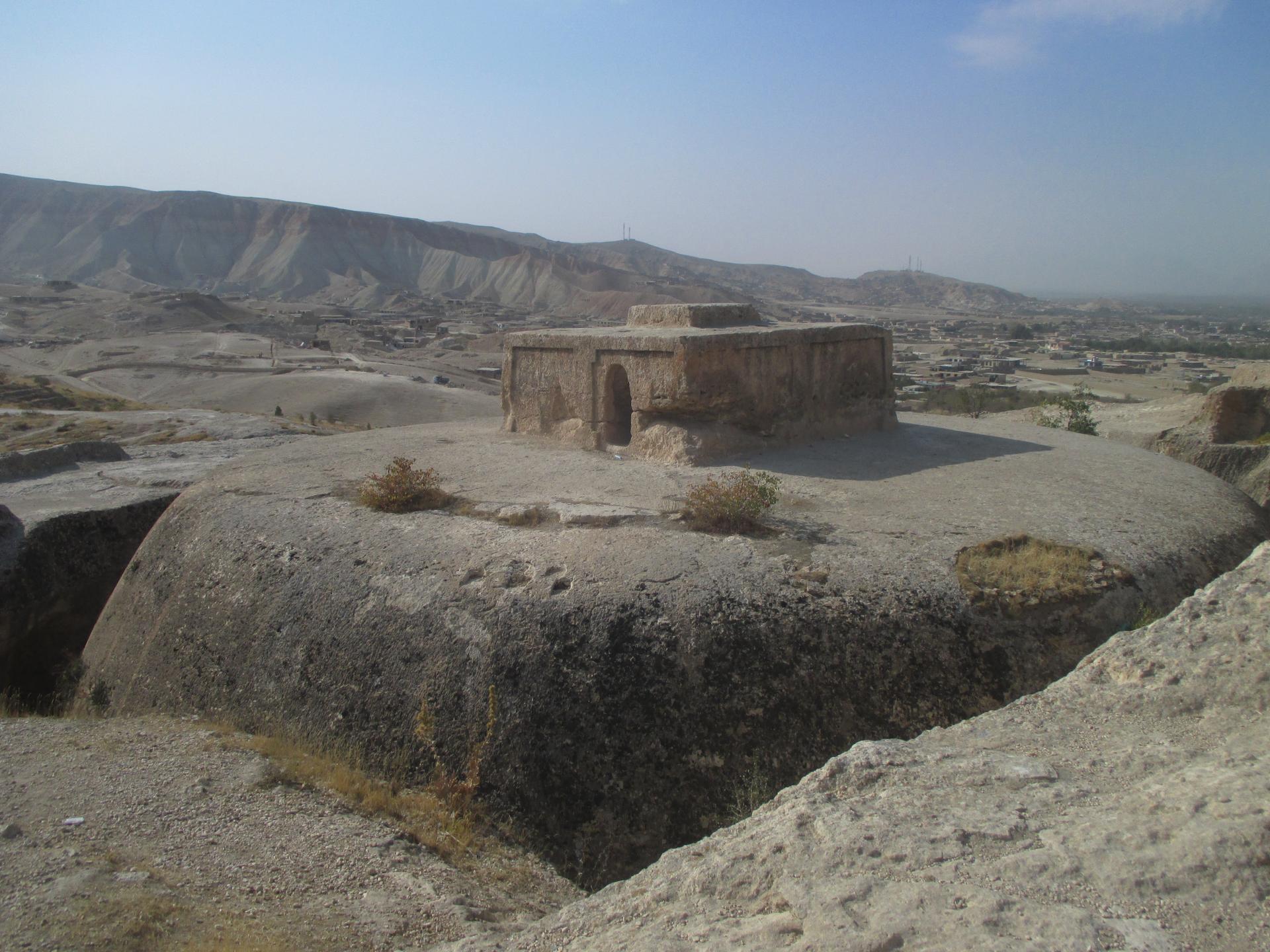
Looking beyond Herat Central Blue Mosque? Discover Samangan for broader travel guides, local hot-spots, and regional highlights.
Explore Samangan