

Khwaja Abdullah Ansari Shrine, Samangan Travel Guide
Discover the spiritual heart of Herat at the Khwaja Abdullah Ansari Shrine, a stunning testament to Timurid architecture and Sufi heritage.
The Khwaja Abdullah Ansari Shrine in Herat, Afghanistan, is a significant religious and cultural site dedicated to the Sufi saint Khwaja Abdullah Ansari, also known as Pir-e-Herat (Sage of Herat) [3, 4, 5]. The shrine complex, located in Gazur Gah, a few kilometers northeast of Herat, is a testament to Timurid-era architecture and a major pilgrimage destination [3, 5, 10].
A brief summary to Khwaja Abdullah Ansari Shrine
- 96FR+W8H, Khaja Abdullah Ansari Rd, Herat, District 8, AF

Know before you go
Hi, I'm Eve. Here are a few practical things to know before exploring Khwaja Abdullah Ansari Shrine.
- Dress respectfully when visiting the shrine, as it is a religious site. Women should cover their heads.
- Consider hiring a local guide to learn more about the history and significance of the shrine.
- Visit during religious events or festivals to experience the shrine's vibrant atmosphere.
- Explore the surrounding gardens and historical tombs for a more immersive experience.
- Check for ongoing restoration work by the Aga Khan Trust for Culture, which may affect access to certain areas.
Do you manage this location?
Take control to get all the benefits, like improved information, better appearance, and stronger visibility across AI-powered discovery. Learn more about listing your business on Evendo
Activate your presenceOther nearby places you may find interesting
The closest places of the same kind, if this one is not quite what you had in mind.
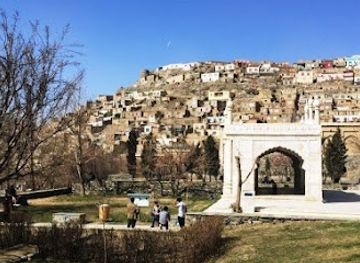
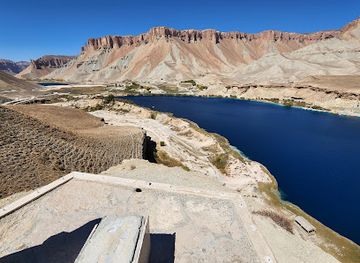
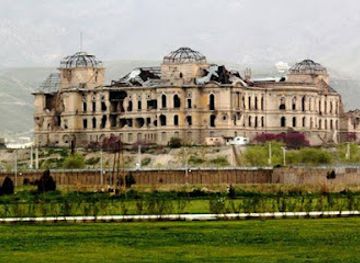
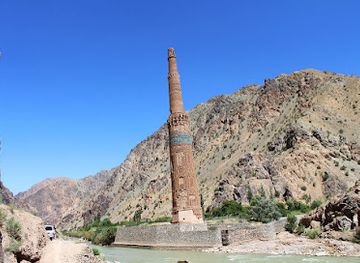
Explore Khwaja Abdullah Ansari Shrine on the Map
A handpicked selection of must-see spots near Khwaja Abdullah Ansari Shrine, mapped for you.
Getting There
-
Walking
From the center of Gazur Gah village, the shrine is easily accessible on foot. Follow the main road towards the most prominent, large, blue-tiled structure. The entrance to the shrine complex is clearly marked. This is a short walk, approximately 5-10 minutes, depending on your starting point within the village. No costs are associated with this approach.
-
Taxi
From Herat city center, taxis are readily available. Negotiate the fare before starting your journey. A typical taxi ride from Herat to Gazur Gah costs approximately 500-650 AFN [7, 8, 15]. The journey takes about 15-20 minutes, depending on traffic. Ask the driver to take you to 'Rawza Sharif' in Gazur Gah. There are no additional tolls or parking fees.
Discover more about Khwaja Abdullah Ansari Shrine
More to explore near Khwaja Abdullah Ansari Shrine













Your all‑in‑one travel companion app
Explore expert travel guides, compare and book tours, experiences, hotels, and more—all from the palm of your hand. Download now for seamless trip planning wherever your wanderlust takes you.


Explore More of Samangan
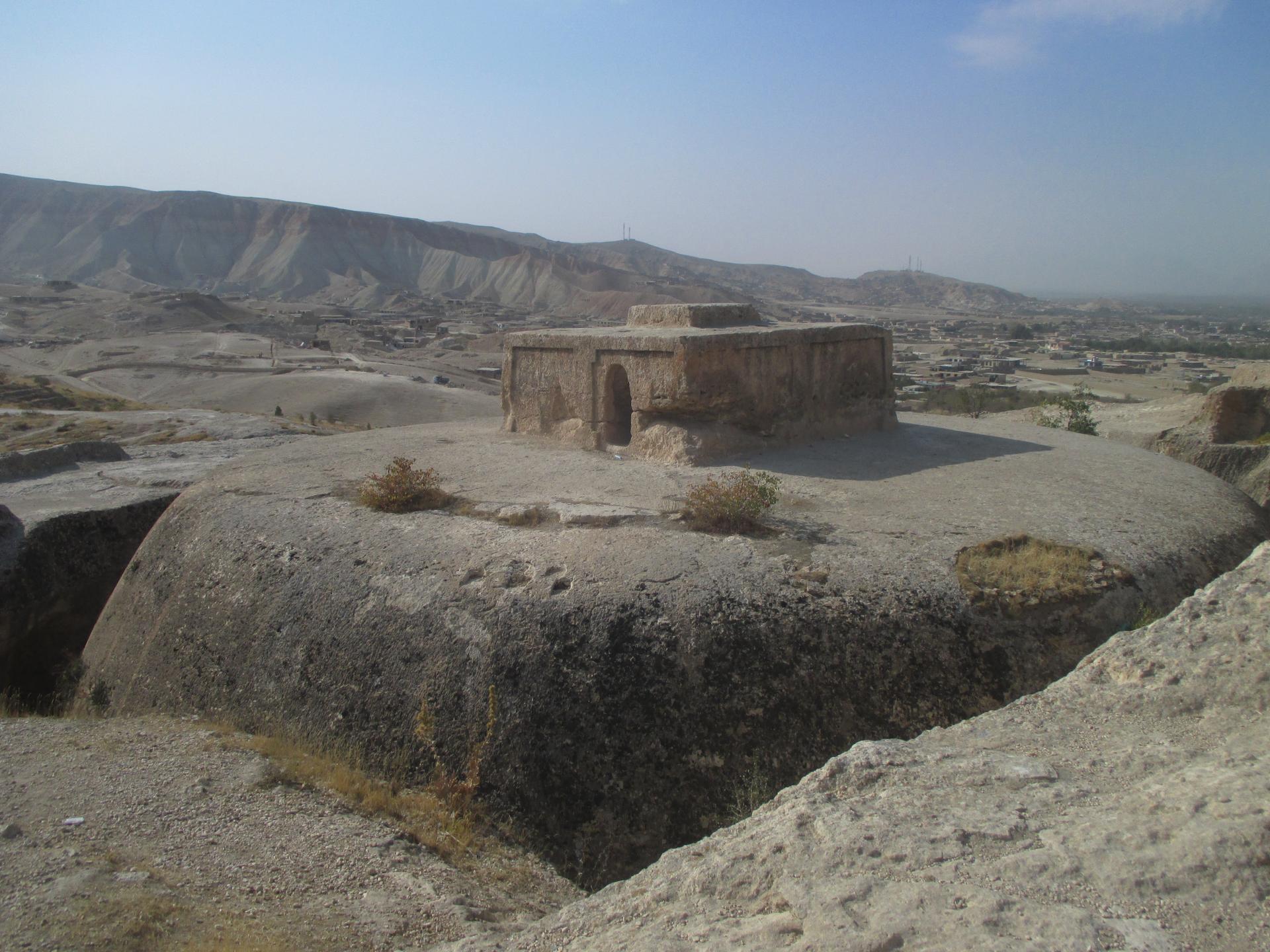
Looking beyond Khwaja Abdullah Ansari Shrine? Discover Samangan for broader travel guides, local hot-spots, and regional highlights.
Explore Samangan

