

Band-e Amir, Wardak Travel Guide
Discover Afghanistan's first national park, a breathtaking landscape of turquoise lakes and dramatic canyons in the heart of the Hindu Kush.
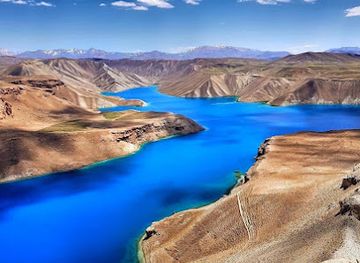
Band-e Amir National Park, Afghanistan's first national park, is a stunning collection of six turquoise lakes set against dramatic cliffs in the Hindu Kush mountains [1, 3, 17]. These lakes, formed by natural travertine dams, offer a unique and breathtaking landscape [3, 7, 17].
A brief summary to Band-e Amir
- AF

Know before you go
Hi, I'm Eve. Here are a few practical things to know before exploring Band-e Amir.
- The best time to visit is during the spring and autumn months (April-June and September-October) for mild and pleasant weather [2].
- Bring sufficient supplies, including water, food, and appropriate clothing, as facilities within the park are limited [1].
- Respect local customs and traditions, and be mindful of the current situation in Afghanistan [1].
- Stay on established paths to avoid landmines [12, 18].
- Hire a local guide for navigation and insights into the area's history and culture [1].
Do you manage this location?
Take control to get all the benefits, like improved information, better appearance, and stronger visibility across AI-powered discovery. Learn more about listing your business on Evendo
Activate your presenceOther nearby places you may find interesting
The closest places of the same kind, if this one is not quite what you had in mind.
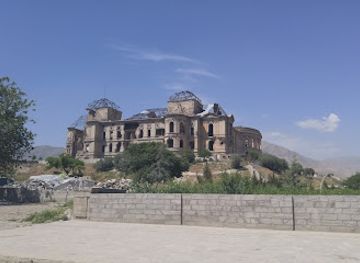
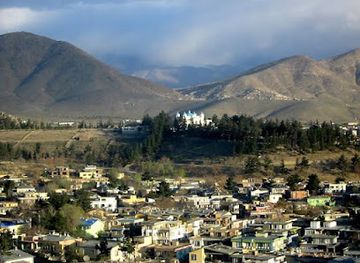
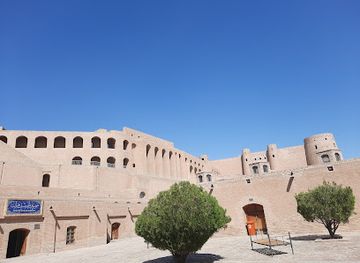
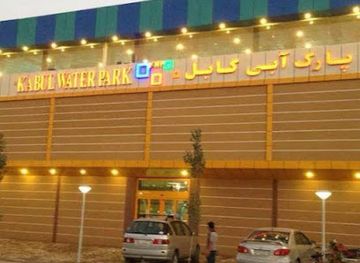
Explore Band-e Amir on the Map
A handpicked selection of must-see spots near Band-e Amir, mapped for you.
Getting There
-
Taxi/Ride-Share
From Bamyan city, the most common way to reach Band-e-Amir National Park is by taxi or shared taxi [1]. Negotiate a fare for the approximately 3-4 hour journey [1, 3]. A private taxi may cost around 1,500 AFN for the day [1, 6]. Alternatively, a shared taxi to Band-e Amir from Bamyan Bazaar costs around 250 AFN per person each way [1]. Be prepared for a bumpy ride as the roads can be rough [1]. The taxi will typically drop you off near Band-e Haibat, the most accessible of the lakes [1]. From there, walking is the primary way to explore the park [1].
-
Public Transport
Shared minivans to Band-e Amir may be available from Bamyan Bazaar, particularly on Thursdays and Fridays during the high season [1, 10]. The fare is approximately 250 AFN per person each way [10]. These minivans depart only when full, so flexibility is essential [1]. Alternatively, take a minivan towards Yakawlang (200 AFN) and disembark at the turn-off to the lakes, followed by a 3-hour walk to the park; bring water [1, 5, 10]. From Bala Tang, hire a local taxi for the remaining 5 kilometers to the park entrance for around 50 AFN [1].
-
Entrance Fee
An entrance fee of 200 AFN is payable in cash at the gate upon entering the National Park [1, 6, 10, 15].
Discover more about Band-e Amir













Your all‑in‑one travel companion app
Explore expert travel guides, compare and book tours, experiences, hotels, and more—all from the palm of your hand. Download now for seamless trip planning wherever your wanderlust takes you.


Explore More of Wardak
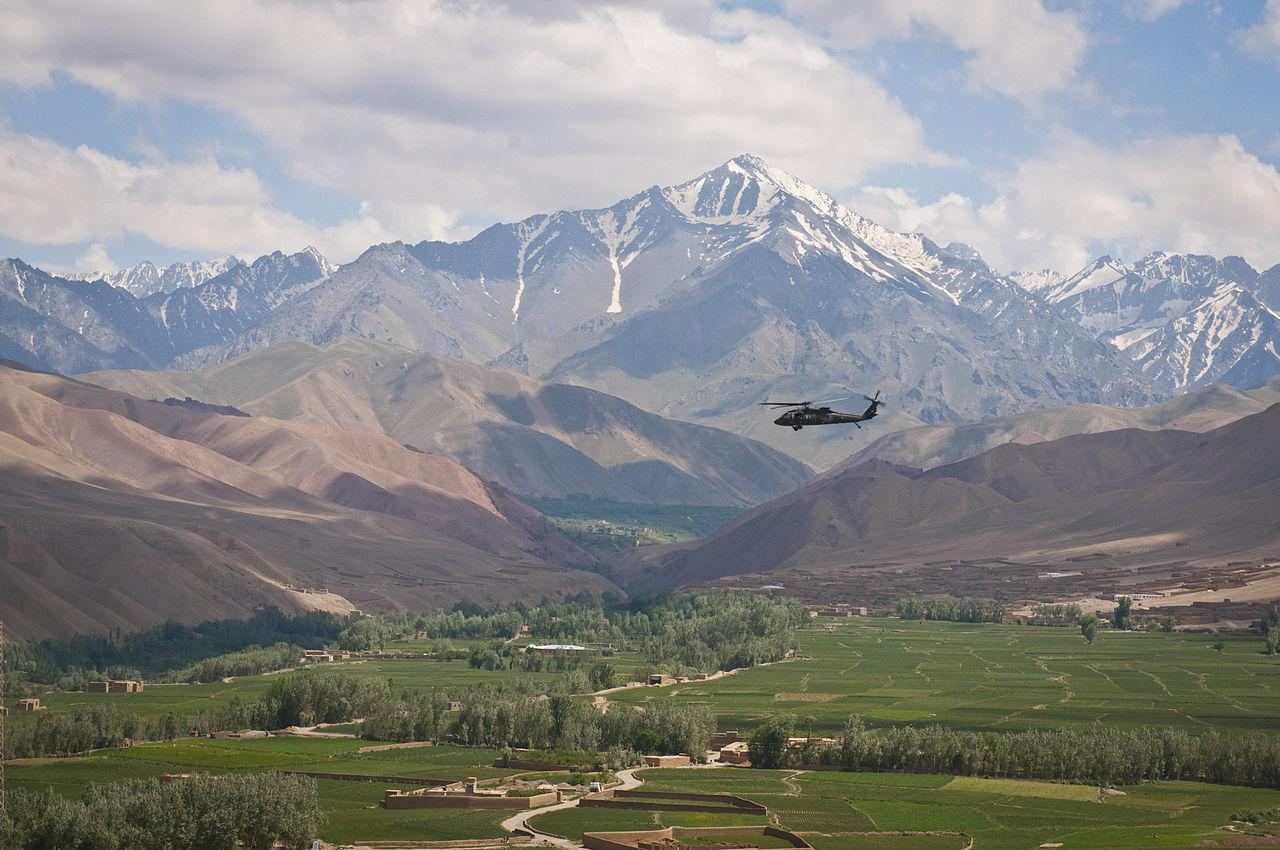
Looking beyond Band-e Amir? Discover Wardak for broader travel guides, local hot-spots, and regional highlights.
Explore Wardak
